Easy Anti-Inflammatory Recipe to Boost Your Health Naturally
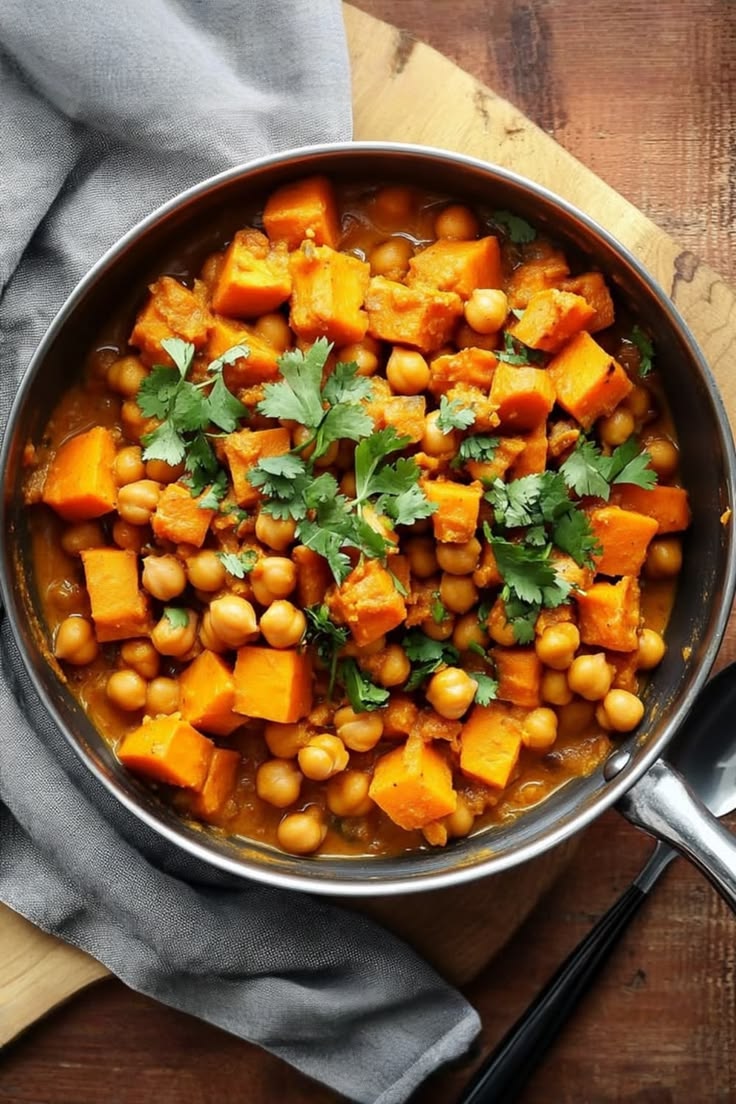
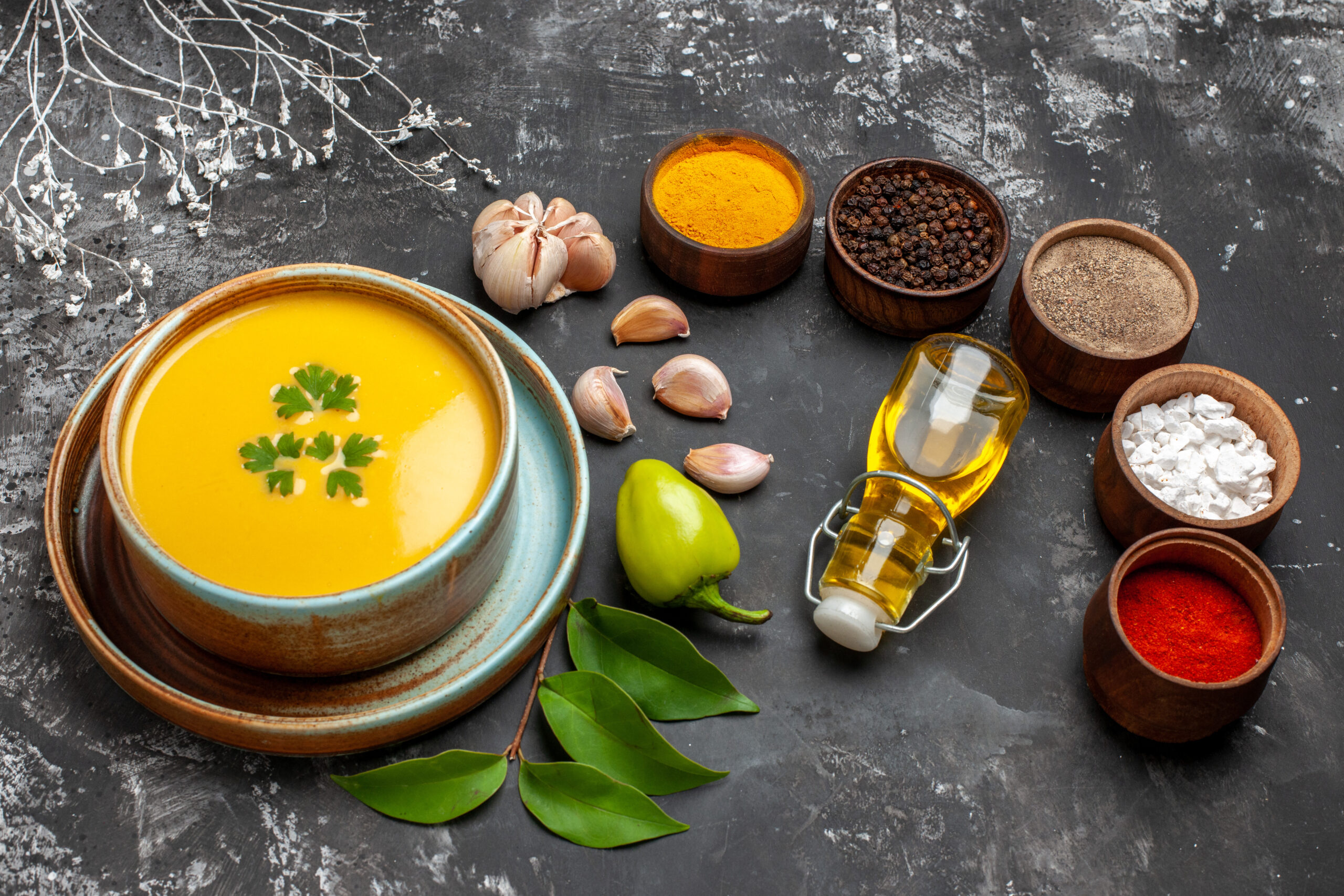
I started paying attention to what I was eating after three weeks of feeling constantly tired, bloated, and just… off. Not sick, but not great either. Sound familiar? A friend suggested I look into natural inflammation reducing foods, and honestly, it changed everything for me. Today I’m sharing a recipe: Easy Anti-Inflammatory Recipe I now make on repeat — it’s simple, delicious, and your body will genuinely thank you.
Ingredients
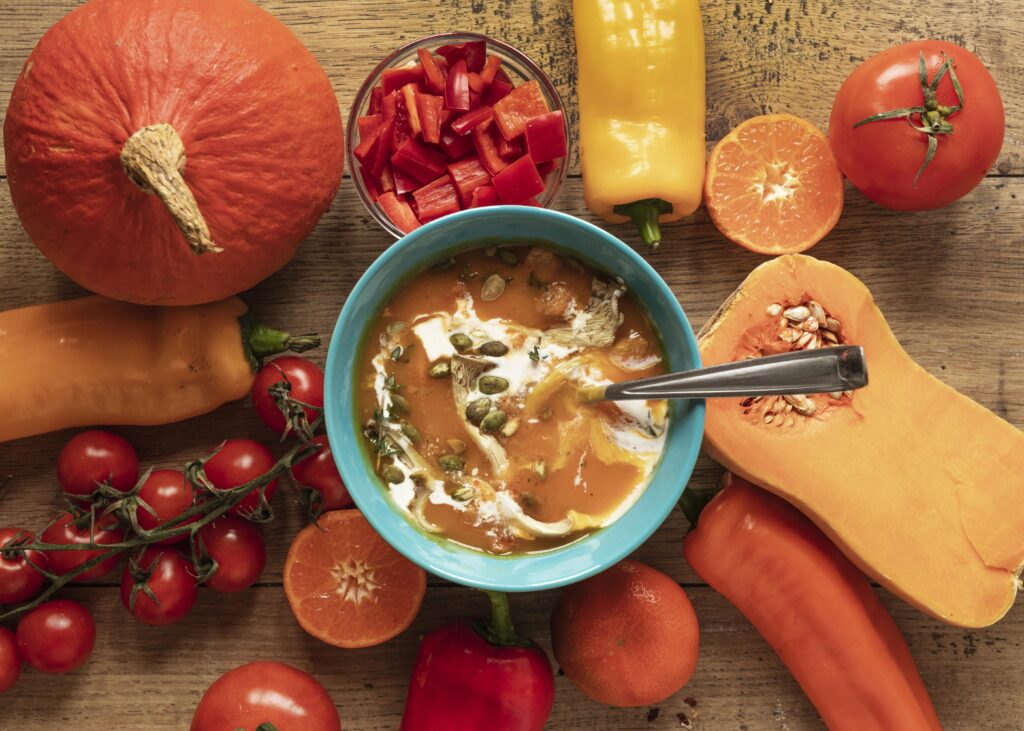
Before we get into the how, let’s talk about what you’ll need. These are all easy to find, budget-friendly, and packed with anti-inflammatory goodness:
- 2 cups baby spinach
- 1 cup cooked quinoa
- 1/2 cup chickpeas, rinsed and drained
- 1/2 cup shredded purple cabbage
- 1/4 cup pomegranate seeds
- 1/4 cup cherry tomatoes, halved
- 2 tablespoons extra virgin olive oil
- 1 tablespoon lemon juice
- 1 teaspoon turmeric
- 1/2 teaspoon black pepper
- Salt to taste
- Optional: a handful of pumpkin seeds for crunch
That’s it. Nothing fancy, nothing you need to hunt down at a specialty store.
Why This Easy Anti-Inflammatory Recipe Actually Works
Okay so here’s the thing — inflammation isn’t always the villain. Your body needs it short-term to heal. The problem is chronic, low-grade inflammation that quietly messes with your energy, digestion, and mood. This easy anti-inflammatory recipe targets exactly that.
Turmeric contains curcumin, one of the most studied anti-inflammatory compounds out there. Pairing it with black pepper increases absorption by up to 2000%, so don’t skip that step. Olive oil adds healthy monounsaturated fats, and the pomegranate seeds? Pure antioxidant magic. If you love pomegranate in savory dishes, my pomegranate kale salad is another recipe you’ll want to bookmark.
Building a Easy Anti-Inflammatory Recipe Dinner Habit
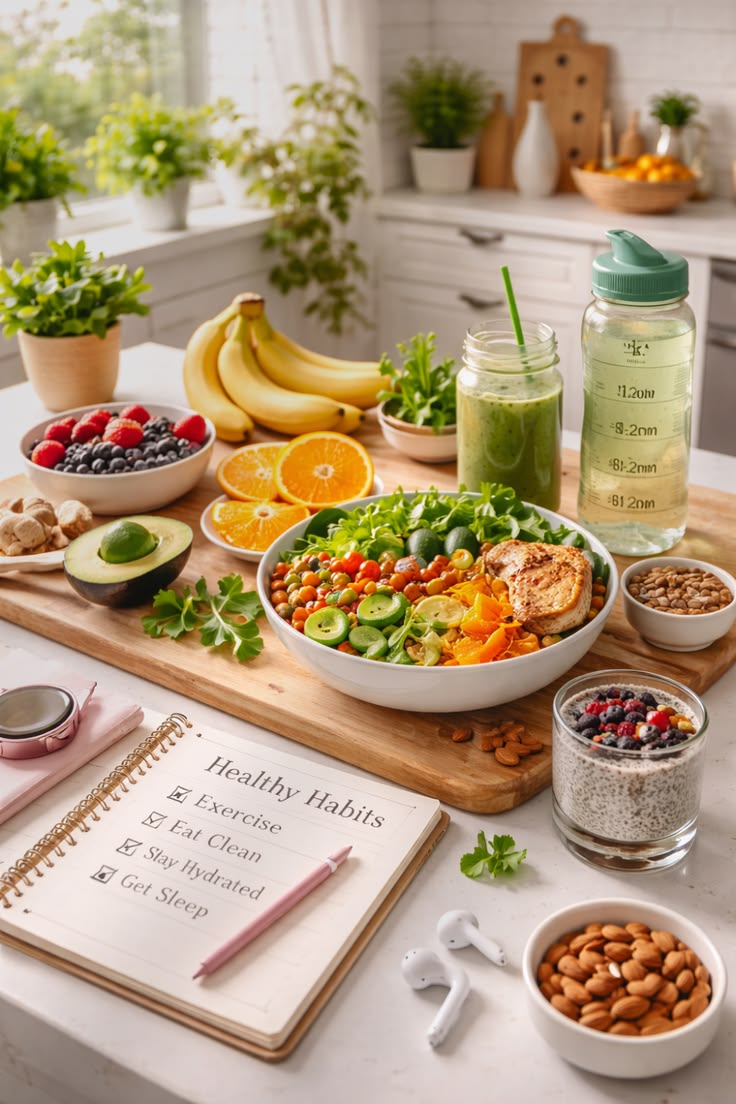
A lot of people think eating anti-inflammatory means eating bland. It really doesn’t. This healthy anti-inflammatory dinner comes together in under 20 minutes, looks gorgeous in a bowl, and tastes like something you’d pay $18 for at a trendy café. 🥗
The trick is batch-cooking your quinoa at the start of the week. It stays fresh in the fridge for 5 days and cuts your prep time dramatically. Think of it as setting your future self up for a win.
Instructions
- Cook your quinoa according to package directions if you haven’t already. Let it cool slightly before assembling.
- In a large bowl, add the baby spinach as your base.
- Layer on the cooked quinoa, chickpeas, purple cabbage, and cherry tomatoes.
- Scatter the pomegranate seeds and pumpkin seeds on top.
- In a small bowl, whisk together olive oil, lemon juice, turmeric, black pepper, and salt.
- Drizzle the dressing over everything and toss gently to combine.
- Taste and adjust seasoning. Serve immediately or chill for 15 minutes for deeper flavor.
That’s genuinely it. Easy anti-inflammatory meals don’t get more beginner-friendly than this.
There are no reviews yet. Be the first one to write one.
Ingredients
- 2 cups baby spinach
- 1 cup cooked quinoa
- 1/2 cup chickpeas rinsed and drained
- 1/2 cup shredded purple cabbage
- 1/4 cup pomegranate seeds
- 1/4 cup cherry tomatoes halved
- 2 tablespoons extra virgin olive oil
- 1 tablespoon lemon juice
- 1 teaspoon turmeric
- 1/2 teaspoon black pepper
Instructions
- Cook your quinoa according to package directions if you haven’t already. Let it cool slightly before assembling.
- In a large bowl, add the baby spinach as your base.
- Layer on the cooked quinoa, chickpeas, purple cabbage, and cherry tomatoes.
- Scatter the pomegranate seeds and pumpkin seeds on top.
- In a small bowl, whisk together olive oil, lemon juice, turmeric, black pepper, and salt.
- Drizzle the dressing over everything and toss gently to combine.
- Taste and adjust seasoning. Serve immediately or chill for 15 minutes for deeper flavor.
Timing
Prep time: 10 minutes Cook time (quinoa): 15 minutes Assembly: 5 minutes Total: 30 minutes
For reference, the average grain bowl recipe takes about 37 minutes from start to finish. This one runs about 20% faster, especially if you use pre-cooked quinoa. Meal prep win. ✅
Nutritional Information
Per serving (recipe makes 2):
Calories: approximately 420 Protein: 14g Fiber: 9g Healthy fats: 16g Antioxidants: high, from pomegranate, turmeric, and leafy greens
Chickpeas alone bring in about 7g of protein per half cup, making this genuinely filling without feeling heavy. The fiber content supports gut health, which is directly tied to systemic inflammation levels. Your gut microbiome will be very happy with this bowl.
Natural Inflammation Reducing Foods: What Makes This Bowl So Powerful
Let’s break down the MVPs in this dish:
Turmeric is the star of natural inflammation reducing foods. Studies show curcumin can reduce markers of inflammation similarly to some over-the-counter medications — without the side effects. Leafy greens like spinach are loaded with vitamin K and magnesium, both of which help regulate the body’s inflammatory response. Pomegranate seeds are rich in punicalagins and anthocyanins, which are some of the most potent antioxidants found in any food. Olive oil contains oleocanthal, a compound with similar anti-inflammatory properties to ibuprofen.
Building meals around these ingredients consistently is one of the most practical things you can do for long-term health.
Common Mistakes to Avoid
Skipping the black pepper with turmeric — this one matters more than people realize. Without piperine from black pepper, curcumin absorption is minimal.
Using too much dressing — the lemon-olive oil combo is light by design. Drowning the bowl defeats the purpose and adds unnecessary calories.
Adding hot quinoa directly — warm grains will wilt the spinach and soften everything into a sad mush. Let it cool.
Over-tossing — toss gently. Pomegranate seeds are delicate and you want them to stay intact for texture and presentation.
Not tasting before serving — always adjust your salt and lemon at the end. It makes a real difference.
Storing Tips
Store your easy anti-inflammatory meal in an airtight container in the fridge for up to 2 days. If you’re meal prepping, keep the dressing separate and add it just before eating to keep everything crisp. For batch prep, make a large base of quinoa, chickpeas, and cabbage at the start of the week. Store the dressing in a small jar, and add fresh greens and pomegranate seeds daily, as they don’t stay fresh over time. This method is perfect for planning healthy anti-inflammatory dinners or easy anti-inflammatory meal recipes throughout the week.
Pomegranate seeds can be pre-portioned and frozen for up to 3 months if you bought a bulk batch. Just thaw overnight in the fridge.
Easy Anti-Inflammatory Meals for Every Schedule
One of the best things about easy anti-inflammatory meals is how adaptable they are. Traveling this week? Pack the dry ingredients separately and add olive oil when you’re ready. No quinoa on hand? Swap in brown rice or farro — both work beautifully.
If you’re on a snack kick and want something equally wholesome on the go, these healthy banana oatmeal cookies are worth adding to your weekly rotation. They use simple ingredients and hit that sweet spot between nourishing and satisfying.
For even more inspiration on no-fuss healthy eating, these 3-ingredient peanut butter oatmeal balls are a reader favorite and take about 10 minutes to pull together — perfect for busy days when you still want to eat well.
FAQs
Q1. Can I make this easy anti-inflammatory recipe ahead of time?
Yes, absolutely. Prep the components separately and assemble the day you plan to eat it. The quinoa and chickpeas keep well for 4 to 5 days in the fridge. Add fresh greens and dressing right before serving. This makes it a perfect easy anti-inflammatory meal recipe for busy days.
Q2. Is this recipe gluten-free?
It is. Every ingredient in this bowl is naturally gluten-free. Just double-check your chickpea brand if buying canned. This is a healthy anti-inflammatory dinner option suitable for everyone.
Q3. Can I use a different grain instead of quinoa?
Definitely. Brown rice, farro, millet, or even cauliflower rice all work. Quinoa is ideal for protein content, but swap freely based on what you have. This keeps it an easy anti-inflammatory meal without sacrificing taste.
Q4. How often should I eat anti-inflammatory meals to notice a difference?
Research suggests consistent dietary shifts over 4 to 6 weeks show measurable reductions in inflammation markers. Eating this easy anti-inflammatory recipe 3 to 4 times a week as part of a varied diet is a solid approach for natural inflammation reducing foods.
Q5. What’s a good dessert to pair with this bowl?
Something light and wholesome works best. These no-bake peanut butter oatmeal balls are a perfect match — simple, satisfying, and they won’t undo all the good work your bowl just did. 😄
Conclusion
Eating to reduce inflammation doesn’t need to be complicated or expensive. This bowl proves that a handful of real, whole ingredients can do more for your health than any supplement bottle. Make it once and you’ll understand why it’s on my weekly rotation.
Try it, tweak it to your taste, and let me know how it goes. I genuinely love hearing how these recipes land in real kitchens.