Daily Habits That Trigger Skin Inflammation
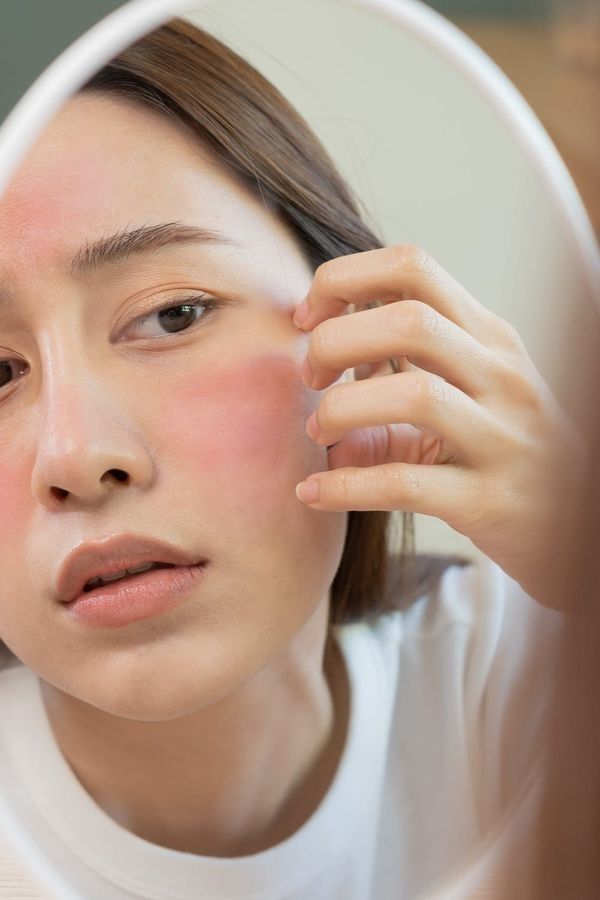
Have you ever woken up with red, angry skin and had no idea why? You didn’t try anything new, you didn’t change your diet — yet your face looks like it went through a rough night. Same. And that’s exactly what pushed me to dig into the real skin inflammation causes hiding in our everyday routines.
Spoiler: the culprit is usually something you’d never suspect. Let’s talk about it. 🌿
1. Understanding Skin Inflammation Causes Starts With Your Morning Routine
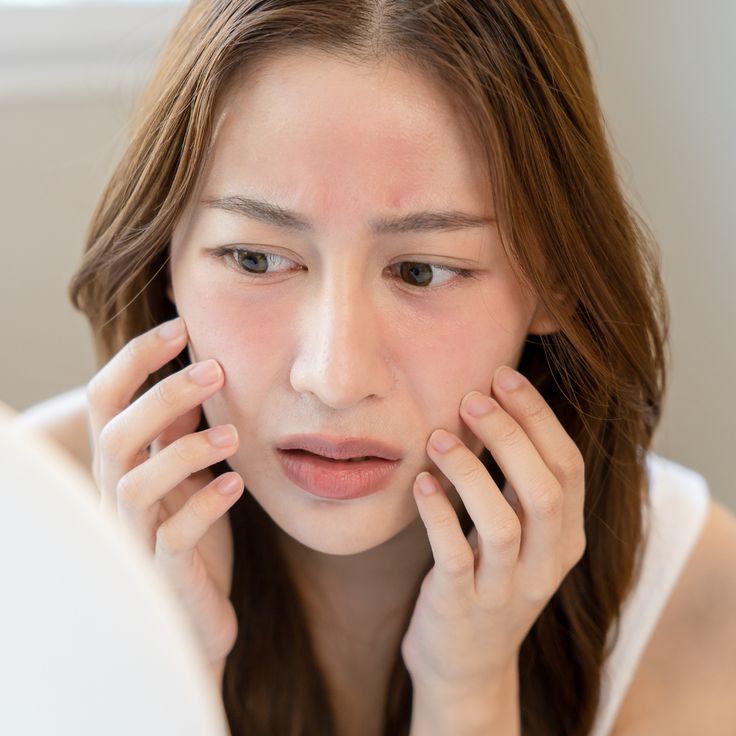
Most people focus on what they put on their skin, but they completely miss how they apply it. Rubbing your cleanser in aggressively, using water that’s too hot, or skipping moisturizer right after washing — all of these are classic skin inflammation causes hiding in plain sight.
Hot water strips your skin’s natural oils, leaving it reactive and vulnerable. Opt for lukewarm water and pat your face dry with a clean towel instead of rubbing. Dermatologists who study what causes skin inflammation consistently flag this as one of the most underrated triggers.
2. Your Pillowcase Is Silently Wrecking Your Skin
This one took me by surprise. Cotton pillowcases absorb the moisture from your skin overnight and collect bacteria, dead skin cells, and product residue. Sleeping on that every night? That’s a direct recipe for inflamed skin symptoms like redness, clogged pores, and irritation.
Switching to a silk or satin pillowcase and washing it every 2–3 days made a noticeable difference for me. It’s one of the simplest skincare habits to avoid overlooking. Your skin does most of its repair work at night — don’t sabotage it before it starts.
3. Over-Exfoliating: The Most Common Skincare Habit to Avoid
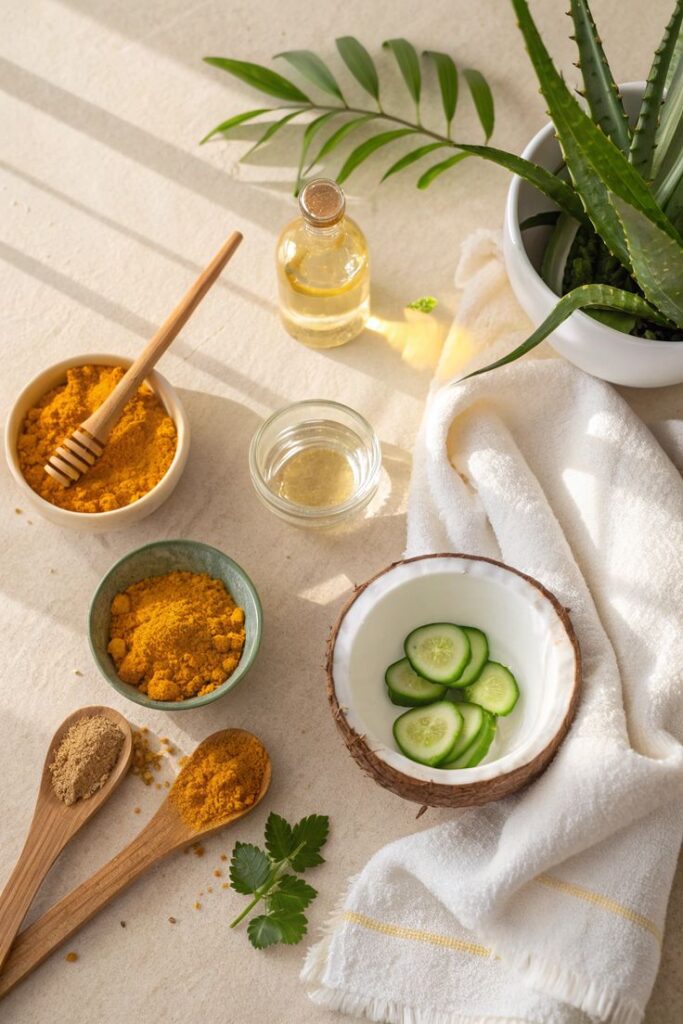
We’ve all been guilty of thinking more exfoliation equals better skin. But over-exfoliating is one of the fastest ways to trigger what causes skin inflammation — it strips your skin barrier and leaves it defenseless against environmental aggressors.
If you’re exfoliating more than 2–3 times a week, your skin is probably screaming at you through redness and sensitivity. Scale back, choose a gentle formula, and give your barrier time to rebuild. As I explained in my guide to rebuilding a damaged skin barrier, patience is genuinely the active ingredient here.
4. Stress Hormones and Inflamed Skin Symptoms
Your skin and your nervous system are deeply connected. When you’re stressed, your body releases cortisol, which triggers oil production, disrupts your skin barrier, and activates inflammatory responses. That’s why breakouts and flare-ups tend to spike during tough weeks.
Inflamed skin symptoms like sudden redness, sensitivity, or clusters of blemishes during stressful periods aren’t coincidence — they’re biology. Breathing exercises, better sleep, and even short walks can measurably calm your skin. It sounds simple because it is. Your skin calms down when you do.
5. Ingredients in Your Products That Are Quietly Irritating You
Not all skincare ingredients play nicely together — or with your skin type. Fragrance, alcohol, and certain preservatives are some of the top skin inflammation causes hiding inside products marketed as “gentle” or “natural.” Always check ingredient lists.
Layering too many actives — like vitamin C in the morning and retinol and AHA at night — overwhelms your skin and breaks down its defenses. According to this expert breakdown of common skincare mistakes, ingredient overload is one of the top reasons people develop chronic sensitivity. Keep your routine simple and intentional.
6. Diet and Lifestyle Habits That Feed Inflammation
What you eat shows up on your face — literally. High-glycemic foods, dairy, and alcohol are well-known triggers for inflamed skin symptoms in people with sensitive or acne-prone skin. They spike insulin levels, which increases sebum production and inflammation.
You don’t have to overhaul your entire diet overnight. Start by reducing processed sugar and drinking more water. Adding anti-inflammatory foods like blueberries, leafy greens, and omega-3-rich foods can genuinely help reduce skin redness naturally over time. Small swaps, real results.
7. How to Reduce Skin Redness Naturally With Simple Routine Tweaks
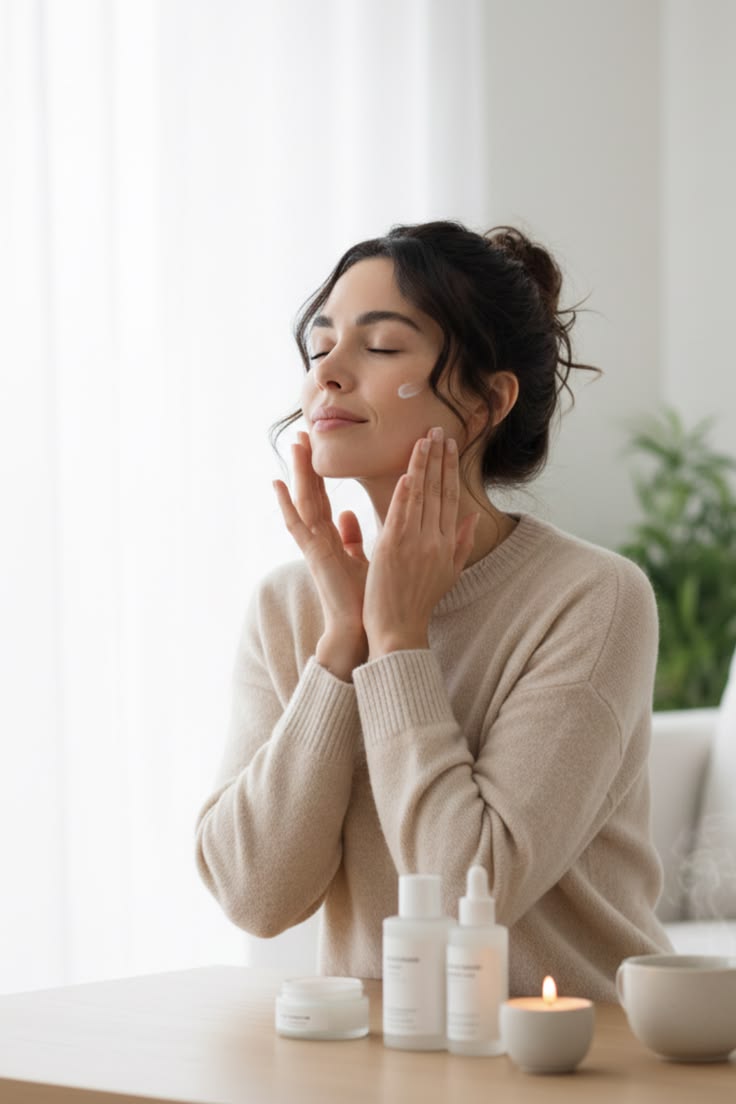
The goal isn’t a 10-step routine — it’s a smart one. To reduce skin redness naturally, focus on barrier-supporting ingredients: ceramides, niacinamide, aloe vera, and hyaluronic acid. These calm inflammation without overwhelming your skin.
Swap harsh toners for alcohol-free formulas. Use SPF every single day — UV exposure is a major but underrated inflammatory trigger. And as I shared in my spring skincare reset breakdown, sometimes simplifying your routine is the most powerful thing you can do for reactive skin. 🌸
Final Thoughts
Skin inflammation causes are often hiding in the habits you repeat every single day — your water temperature, your pillowcase, your stress levels, your ingredient combos. The good news? Once you spot them, they’re easy to fix.
Start with one change this week. Swap out your pillowcase, simplify your routine, or cut back on exfoliation. Your skin will tell you when you’re on the right track. Drop a comment below and let me know which habit you’re tackling first — I’d love to hear how it goes!