
Best Natural Ingredients to Calm Inflamed Skin
Introduction
If your skin ever feels like it’s on fire — red, tight, and angry for no obvious reason — you’re definitely not alone. I spent months trying random products before I realized the answer was already sitting in nature. The right natural ingredients for inflamed skin can genuinely change your routine, and today I’m breaking down exactly which ones work and why. No complicated routines, no ingredient lists that read like a chemistry exam. Just the good stuff. 🌿
1. Why Natural Ingredients for Inflamed Skin Actually Work
Here’s the thing: a lot of conventional skincare products contain synthetic fragrances and preservatives that secretly make inflammation worse. Natural anti inflammatory skincare works because it works with your skin barrier, not against it. Plant-based actives like polyphenols and flavonoids have been studied for their ability to interrupt the inflammation cycle at a cellular level. I switched to a simpler, ingredient-focused routine two years ago and my skin has been calmer ever since. If you want to understand why layering matters in your routine, this guide to building a skin-calming wardrobe for your face explains it beautifully.

2. Aloe Vera — The Classic That Never Disappoints
Aloe vera is probably the first calming ingredient for skin that anyone ever encounters, and for good reason. It contains compounds called acemannan and anthraquinones that actively reduce redness and cool irritated tissue. It’s also incredibly light, which makes it perfect for oily or combination skin types that still struggle with inflammation. I keep a small aloe plant on my windowsill and use fresh gel straight from the leaf on bad skin days. Look for products where aloe is listed as one of the first three ingredients — that’s when you know you’re actually getting a therapeutic dose.
3. Centella Asiatica — The Ingredient Your Skin Has Been Waiting For
Centella asiatica (also called cica or gotu kola) has become one of the most talked-about ingredients that reduce skin redness, and dermatologists genuinely back this one up. It stimulates collagen production while simultaneously calming the inflammation response — a rare combination that makes it useful for both acne-prone and mature skin. According to research highlighted by skincare experts at InStyle, multi-functional botanicals are reshaping how we approach sensitive skin care. You’ll find it in toners, serums, and sheet masks, so it’s easy to work into any step of your routine.
4. Oat Extract — The Gentlest Calming Ingredient for Skin
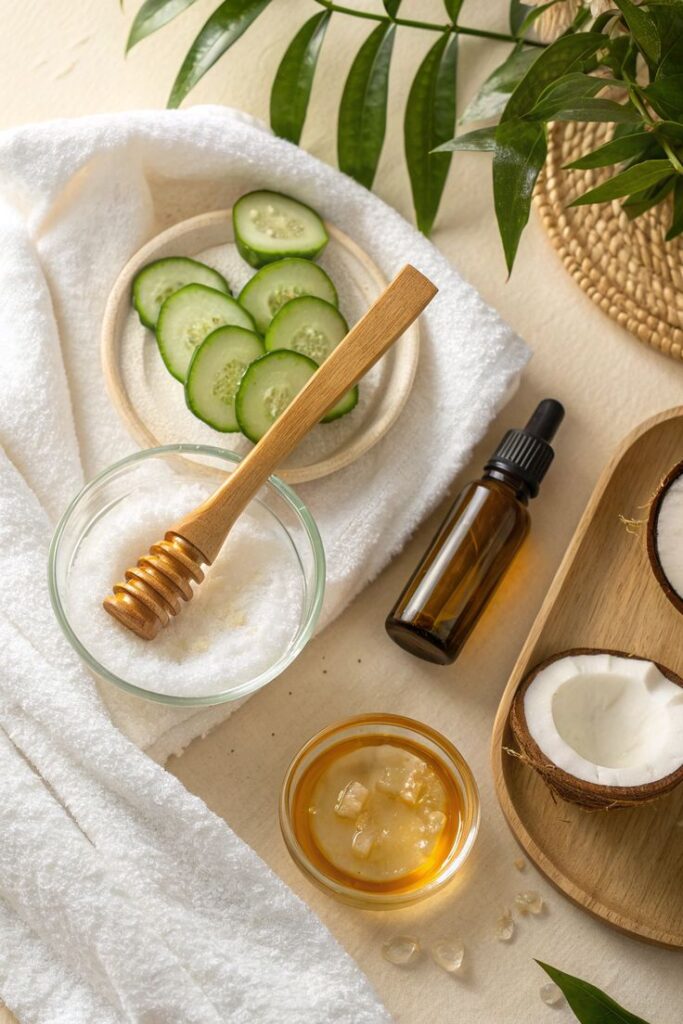
Colloidal oatmeal has been used for centuries to soothe irritated skin, and the science behind it is solid. It contains beta-glucans and avenanthramides that act as natural anti-inflammatory agents, reducing itch, redness, and sensitivity at the same time. It also works as a gentle barrier repair ingredient, which is crucial when your skin is inflamed and compromised. Soothing skincare for sensitive skin really doesn’t get much more accessible than this — oat-based products are widely available and very affordable. Even a plain oat bath at home can give noticeable relief within 20 minutes.
5. Niacinamide — The Multitasker That Calms and Brightens
Niacinamide (vitamin B3) has earned a permanent spot in natural anti inflammatory skincare for good reason. It reduces inflammatory cytokines, visibly shrinks pores, and fades post-inflammatory hyperpigmentation all in one shot. It works especially well for people dealing with redness from acne or rosacea. Start with a 5% concentration if your skin is new to it — anything higher can cause a temporary flush for sensitive types. I pair mine with a ceramide moisturizer and the combination has made a huge difference in keeping redness at bay.
6. Green Tea Extract — Antioxidant Power for Angry Skin
Green tea extract is one of the most potent ingredients that reduce skin redness, thanks to its high concentration of EGCG (epigallocatechin gallate). This compound directly inhibits the enzymes that trigger inflammatory skin reactions, which is why you’ll see it in serums designed for redness-prone or post-procedure skin. It also neutralizes free radicals that can worsen existing inflammation from sun exposure or pollution. If you want to layer this correctly with other active ingredients, this seasonal skincare approach for transitional weather gives a smart framework for building your routine around climate changes.
7. Rosehip Oil — Natural Anti Inflammatory Skincare in a Bottle
Rosehip oil is packed with linoleic acid and trans-retinoic acid, which makes it one of the best natural options for calming chronic skin inflammation. It repairs the lipid barrier while delivering antioxidants that calm reactive skin over time. Unlike heavier oils, rosehip absorbs quickly and doesn’t clog pores, making it suitable even for acne-prone skin types. Use it as the last step in your evening routine, just a few drops warmed between your palms before pressing it into your skin. Consistency is everything with this one — give it at least four weeks before judging results.
8. Chamomile — Soothing Skincare for Sensitive Skin at Its Purest
Chamomile has been used in herbal medicine for inflammation for thousands of years, and its skin benefits are just as impressive. The active compound bisabolol directly reduces redness, irritation, and swelling, making it a cornerstone of soothing skincare for sensitive skin formulas. You’ll find it in everything from micellar waters to night creams and eye serums. It’s also one of the gentlest options out there — even people with extreme reactivity can usually tolerate chamomile-based products without issues. Brewing chamomile tea and using it as a cold compress is also a genuinely effective DIY option on a budget. 🌼
Conclusion
You don’t need a complicated 10-step routine to calm inflamed skin — you just need the right ingredients. Aloe, centella asiatica, oat extract, niacinamide, green tea, rosehip, and chamomile are your best allies when your skin is acting up. Start by introducing one or two of these into your existing routine and pay attention to how your skin responds. Drop a comment below and tell me which ingredient has made the biggest difference for you — I genuinely love hearing what works for real people. And if you want to keep building a smarter skincare routine, this guide to layering your essentials by season is a great next read.