Simple Lettuce Salad Recipe Ideas for Quick Lunches
What if the secret to a satisfying, energizing lunch was hiding in your refrigerator crisper drawer right now? Most people overlook the humble lettuce leaf, yet Lettuce Salad Recipes are among the most versatile, nutrient-packed meals you can prepare in minutes. Whether you’re rushing between meetings or meal-prepping for the week, a well-crafted lettuce salad delivers flavor, crunch, and nourishment without the fuss.
Today, we’re diving deep into simple, delicious lettuce salad ideas designed specifically for quick lunches. These recipes are approachable, customizable, and genuinely satisfying — no culinary degree required.
Why Lettuce Salads Deserve a Spot in Your Lunch Rotation
Lettuce salads often get dismissed as “rabbit food,” but that couldn’t be further from the truth. When built thoughtfully, Lettuce Salad Recipes become complete meals packed with fiber, vitamins, healthy fats, and protein. They’re also incredibly budget-friendly, with most ingredients costing just a few dollars per serving.
Studies show that people who regularly eat leafy green salads and quick healthy lunch salads consume significantly more vitamins C, E, and K than those who don’t. Adding easy salad recipes to your daily routine is one of the simplest nutritional upgrades you can make. Try fresh vegetable salads or other simple lunch ideas to keep your meals exciting and satisfying. Let’s build something delicious together.
Ingredients List
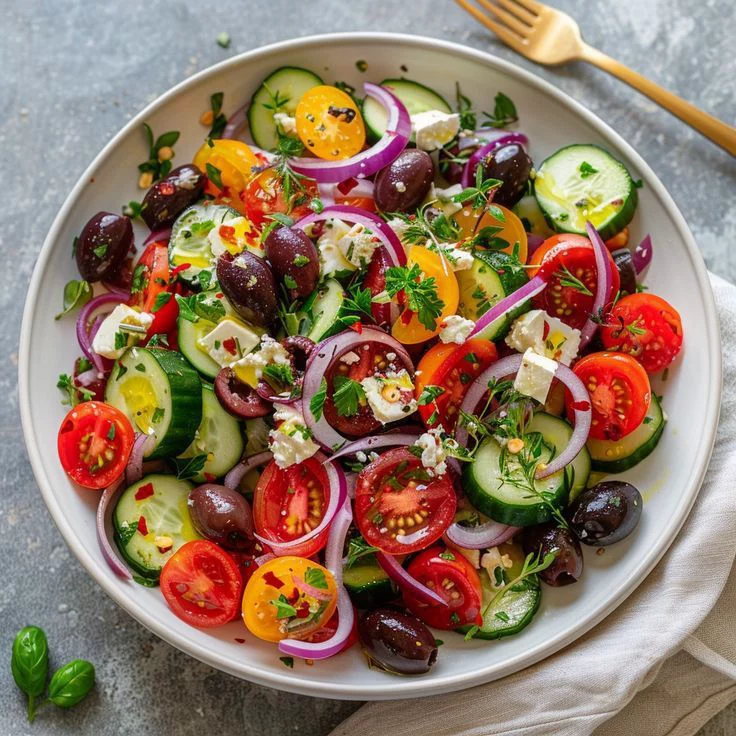
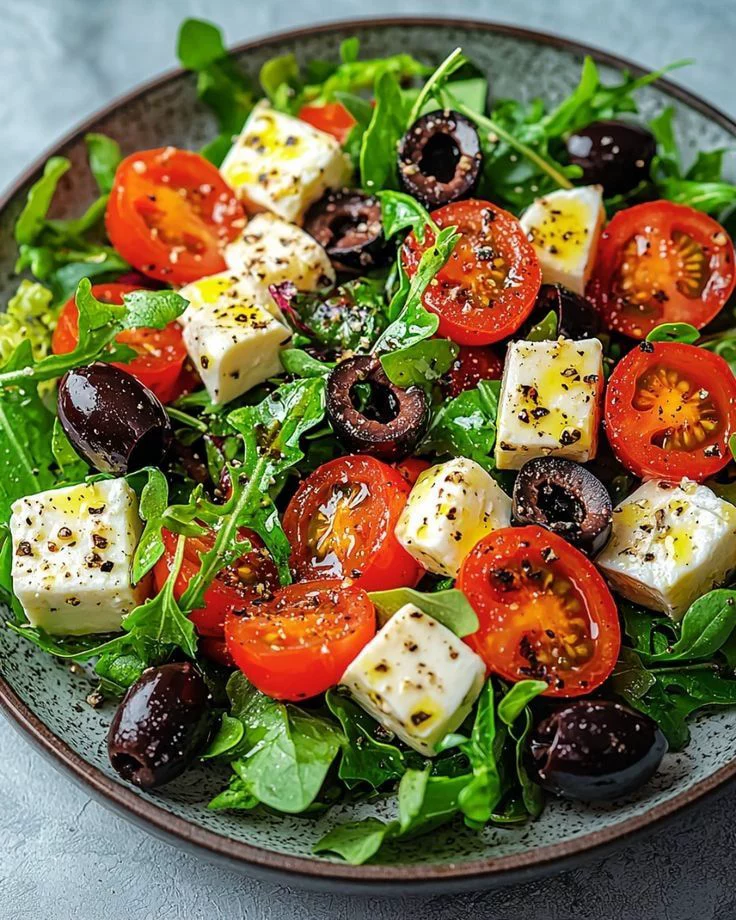
This recipe serves as a foundational Lettuce Salad Recipes template you can customize endlessly. Below are the core ingredients for a classic, crowd-pleasing lettuce salad that feeds two generous portions.
For the Salad Base
- 4 cups romaine or butter lettuce, roughly torn (substitute with iceberg, green leaf, or mixed greens)
- 1 cup cherry tomatoes, halved (or use diced heirloom tomatoes for extra color)
- 1 small cucumber, thinly sliced (English cucumber works beautifully here)
- ½ red onion, thinly sliced (swap for shallots for a milder bite)
- 1 medium carrot, shredded or julienned
- ½ cup radishes, thinly sliced (adds peppery crunch)
- ¼ cup fresh parsley or basil, roughly chopped
For the Protein Boost (Choose One or Combine)
- 1 cup grilled chicken breast, sliced (or rotisserie chicken for a shortcut)
- 1 can chickpeas, drained and rinsed (great plant-based option)
- 2 hard-boiled eggs, halved
- ½ cup crumbled feta or shaved parmesan
For the Simple Lemon Vinaigrette
- 3 tablespoons extra-virgin olive oil
- 2 tablespoons fresh lemon juice (about 1 lemon)
- 1 teaspoon Dijon mustard
- 1 small garlic clove, minced
- Salt and freshly cracked black pepper, to taste
- ½ teaspoon honey or maple syrup (optional, for a touch of sweetness)
Feel free to add croutons, sunflower seeds, sliced avocado, or dried cranberries for extra texture and flavor. The beauty of Lettuce Salad Recipes is their infinite adaptability.
Timing
One of the greatest advantages of this recipe is how quickly it comes together. Here’s a breakdown of the time investment:
- Preparation Time: 10 minutes
- Assembly Time: 5 minutes
- Total Time: 15 minutes
That’s roughly 75% faster than the average homemade lunch recipe, which typically takes around 30–40 minutes. If you prep your vegetables ahead of time on Sunday, you can cut that total down to under 5 minutes on busy weekdays. This makes it one of the most efficient Quick Healthy Lunch Salads in your repertoire.
Step-by-Step Instructions
Follow these straightforward steps to assemble a vibrant, satisfying lettuce salad every single time. Each step includes a helpful tip to elevate your results.
Step 1: Wash and Dry Your Lettuce
Place your lettuce leaves in a large bowl of cold water and gently swish them to remove dirt or grit. Lift the leaves out and spin them dry in a salad spinner, or pat dry with a clean kitchen towel.
Pro tip: Wet lettuce dilutes your dressing and makes your Lettuce Salad Recipes soggy — always dry thoroughly.
Step 2: Prepare Your Vegetables
Slice cucumber, halve cherry tomatoes, shred carrots, and thinly slice red onion. To mellow the sharp bite of raw onion, soak slices in cold water for 5–10 minutes, then drain.
This trick improves flavor in easy salad recipes and makes fresh vegetable salads taste balanced and crisp.
Step 3: Make Lemon Vinaigrette
In a small bowl or jar, combine olive oil, lemon juice, Dijon mustard, minced garlic, salt, pepper, and honey (optional). Whisk or shake until emulsified into a smooth mixture.
Taste and adjust seasoning — it should be bright, tangy, and savory, enhancing your simple lunch ideas.
Step 4: Assemble the Salad Base
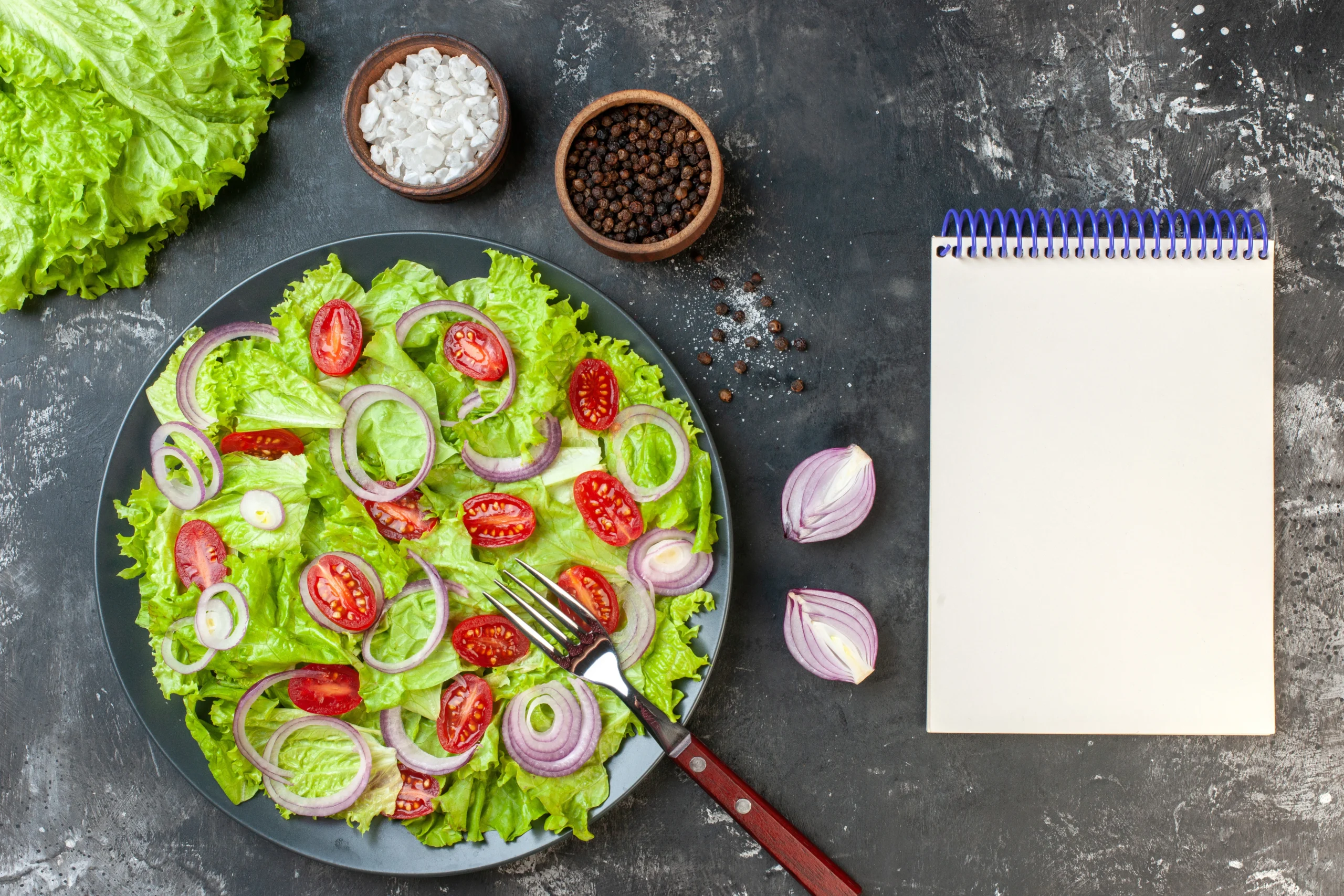
Tear the dried lettuce into bite-sized pieces and place them in a large serving bowl. Layer the tomatoes, cucumber, carrot, radishes, and onion on top. Arrange them in sections for a visually appealing presentation, or simply toss everything together for a more casual, family-style look.
Step 5: Add Your Protein and Toppings
Place your chosen protein — grilled chicken, chickpeas, or hard-boiled eggs — over the vegetable base. Sprinkle with fresh herbs, cheese, seeds, or croutons as desired. Adding protein transforms this from a simple side into a genuinely filling, balanced lunch.
Step 6: Dress and Serve Immediately
Drizzle the vinaigrette over the salad just before serving. Start with about two-thirds of the dressing, toss gently, then taste and add more as needed. Over-dressing is one of the most common salad mistakes — you want every leaf lightly coated, not swimming in liquid. Serve immediately for maximum crunch.
Nutritional Information
The following nutritional breakdown is based on one serving of this lettuce salad with grilled chicken and lemon vinaigrette (approximately half the recipe):
- Calories: 320 kcal
- Protein: 28g
- Carbohydrates: 14g
- Dietary Fiber: 5g
- Total Fat: 17g (primarily heart-healthy monounsaturated fats from olive oil)
- Saturated Fat: 3g
- Sodium: 380mg
- Vitamin C: 45% of Daily Value
- Vitamin K: 120% of Daily Value
- Iron: 15% of Daily Value
Romaine lettuce alone provides an impressive nutritional profile — it’s rich in folate, potassium, and beta-carotene. Combined with lean protein and a healthy fat source like olive oil, this salad supports sustained energy levels throughout the afternoon, making it an ideal midday meal.
Healthier Alternatives for the Recipe
This recipe is already quite nutritious, but there are several smart swaps you can make to tailor it to specific dietary goals or restrictions.
- Lower calorie version: Replace olive oil with a light balsamic vinaigrette or a squeeze of citrus juice alone. Use air-popped croutons instead of traditional ones.
- Vegan-friendly: Skip the cheese and eggs, and load up on chickpeas, edamame, or marinated tofu for plant-based protein.
- Keto-compatible: Omit carrots and any sweetener from the dressing. Add avocado, bacon bits, and extra olive oil for healthy fats.
- Gluten-free: This recipe is naturally gluten-free — just ensure any store-bought dressings or croutons are certified gluten-free.
- Higher fiber: Add a handful of cooked lentils, black beans, or quinoa to significantly boost fiber and plant-based protein content.
- Anti-inflammatory boost: Include turmeric in the dressing, add walnuts for omega-3 fatty acids, and use arugula alongside the romaine for extra antioxidants.
Serving Suggestions
A well-built lettuce salad is incredibly versatile at the table. Here are some creative ways to serve and enjoy it beyond the basic bowl.
- Lettuce wraps: Use large butter lettuce leaves as edible cups and fill them with the salad mixture for a fun, handheld lunch.
- Grain bowl base: Serve the salad over a bed of cooked farro, brown rice, or quinoa for a heartier, more filling meal.
- Alongside soup: Pair with a light tomato bisque or lemon chicken soup for a complete, comforting lunch combination.
- Stuffed pita or wrap: Spoon the salad into a whole-wheat pita or tortilla for a portable, on-the-go lunch option.
- Party platter: Arrange all the ingredients separately on a large board and let guests build their own customized salads — perfect for entertaining.
For the best flavor experience, serve the salad slightly chilled. Keep the dressing on the side until the last moment, especially if you’re packing it for lunch at the office.
Common Mistakes to Avoid
Even simple salads have pitfalls. Avoid these common errors to ensure your lettuce salad turns out perfectly every time.
- Not drying the lettuce: Excess water on lettuce leaves prevents the dressing from adhering properly and creates a watery, unappetizing result. Always spin or pat dry.
- Over-dressing the salad: Too much dressing overwhelms the fresh flavors and makes the salad heavy. Start with less than you think you need and add gradually.
- Cutting vegetables too large: Oversized chunks make the salad difficult to eat and create uneven flavor distribution. Aim for bite-sized, uniform pieces.
- Using cold, flavorless tomatoes: Refrigerated tomatoes lose much of their flavor. If possible, use room-temperature tomatoes for the best taste.
- Skipping the acid: A salad without lemon juice or vinegar tastes flat. The acid brightens all the other flavors and is non-negotiable in a good vinaigrette.
- Forgetting the seasoning: Salt and pepper are essential even in a salad. Season the vegetables lightly before tossing, not just the dressing.
- Assembling too far in advance: Dressed salads wilt quickly. Assemble and dress right before serving for the best texture and presentation.
Storing Tips for the Recipe
Proper storage is key to enjoying your lettuce salad beyond the moment it’s made. Here’s how to keep everything fresh and delicious.
Storing undressed salad: If you’ve assembled the salad but haven’t dressed it yet, store it in an airtight container lined with a paper towel. The paper towel absorbs excess moisture and keeps the lettuce crisp for up to 2 days in the refrigerator.
Storing the dressing separately: Always store your vinaigrette in a sealed jar in the refrigerator. It will keep well for up to 1 week. Shake or whisk again before using, as the oil and acid will naturally separate.
Meal prep strategy: Wash and dry your lettuce at the beginning of the week and store it in a zip-lock bag with a paper towel. Pre-chop your vegetables and store them in individual containers. When lunchtime arrives, simply assemble and dress — it takes less than 3 minutes.
Avoid freezing: Lettuce does not freeze well. The high water content causes it to become limp and mushy upon thawing. Always store fresh and consume within a few days for the best results.
Conclusion
There’s something genuinely satisfying about a salad that’s both effortless and nourishing. These simple