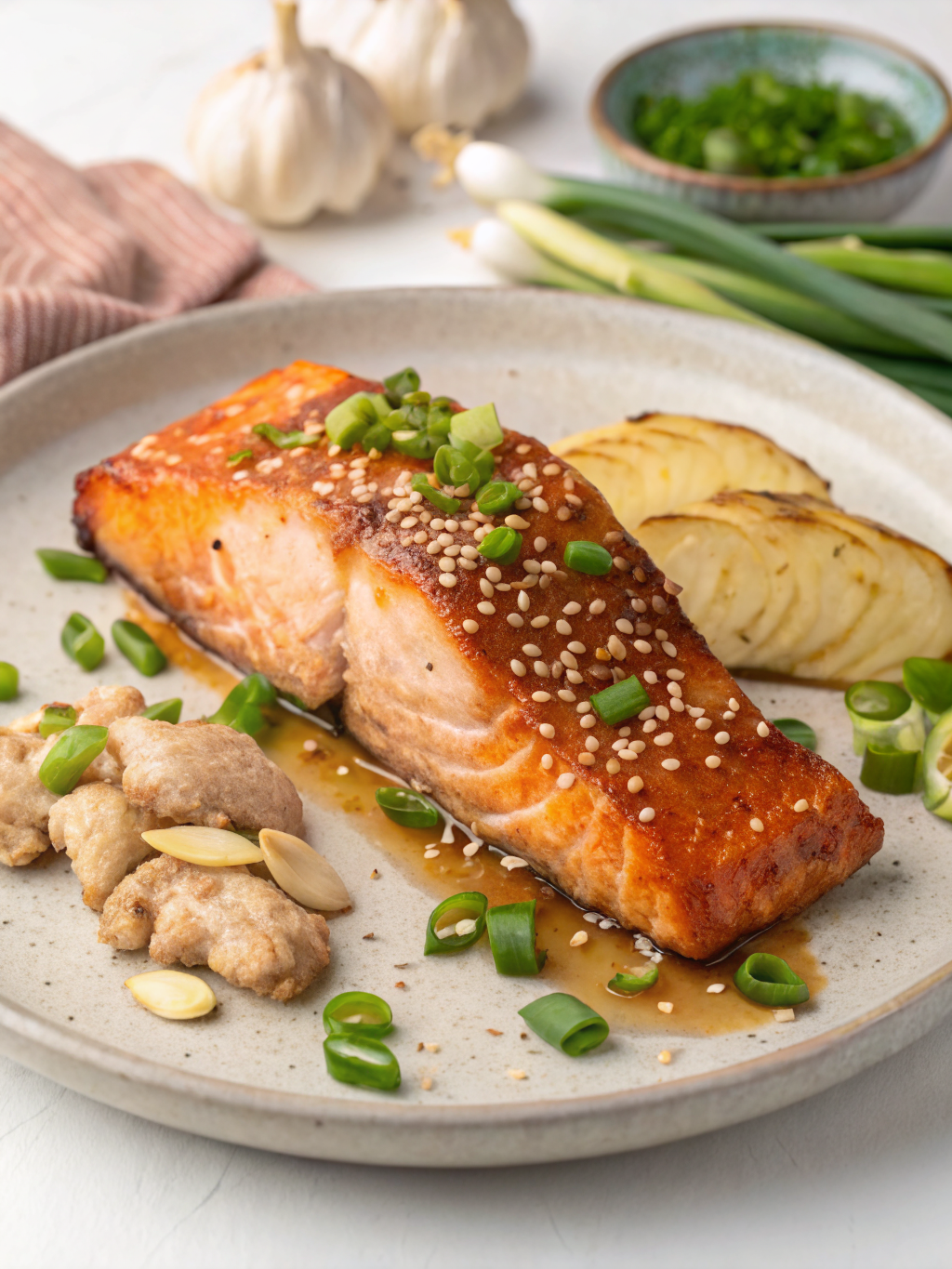
Healthy Ginger Garlic Salmon Dinner
Why This Recipe Works
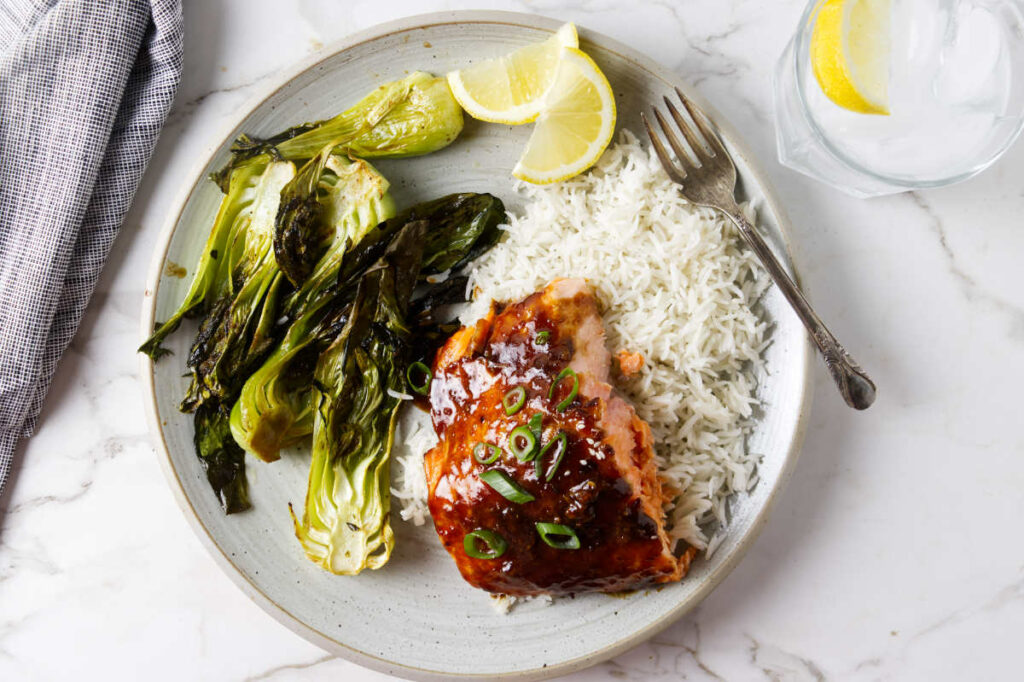
Ingredients List
Gather these simple, wholesome ingredients before you begin. Most are pantry staples you likely already have on hand.
- 4 salmon fillets (about 6 oz each, skin-on preferred) — wild-caught Atlantic or sockeye salmon works best
- 3 cloves garlic, finely minced (or 1 tsp garlic paste)
- 1 tablespoon fresh ginger, grated (or ½ tsp ground ginger as a substitute)
- 3 tablespoons low-sodium soy sauce (or coconut aminos for a gluten-free option)
- 1 tablespoon honey (or maple syrup for a vegan-friendly swap)
- 1 tablespoon sesame oil (or olive oil for a lighter option)
- 1 tablespoon rice vinegar (apple cider vinegar works as a substitute)
- 1 teaspoon turmeric powder — adds extra anti-inflammatory punch
- ½ teaspoon red pepper flakes (optional, for heat lovers)
- 2 tablespoons fresh lemon juice
- Salt and black pepper to taste
- 2 tablespoons fresh cilantro or parsley, chopped (for garnish)
- 1 teaspoon sesame seeds (for garnish)
Pro Tip: For maximum flavor, always opt for fresh ginger over dried. The difference in taste is remarkable — fresh ginger has a bright, zesty kick that dried simply can’t replicate.
Timing
One of the best things about this ginger garlic salmon dinner is how fast it comes together. Here’s a quick breakdown:
- Prep Time: 10 minutes
- Marinating Time: 15 minutes (optional but recommended)
- Cook Time: 12–15 minutes
- Total Time: Approximately 25–30 minutes
That’s roughly 40% faster than the average baked salmon recipe, which typically requires 45+ minutes including prep. This makes it ideal for busy weeknights when you need a nutritious meal without the wait.
Step-by-Step Instructions
Follow these easy steps for perfectly cooked, flavor-packed salmon every single time.
Step 1: Prepare the Marinade
In a small mixing bowl, whisk together the minced garlic, grated ginger, soy sauce, honey, sesame oil, rice vinegar, turmeric, red pepper flakes, and lemon juice. Mix until fully combined and the honey is dissolved. The marinade should smell bold, tangy, and slightly sweet.
Step 2: Marinate the Salmon
Place the salmon fillets in a shallow dish or zip-lock bag. Pour the marinade over the fillets, ensuring each piece is fully coated. Let the salmon marinate for at least 15 minutes at room temperature, or up to 2 hours in the refrigerator for deeper flavor penetration.
Step 3: Preheat Your Cooking Surface
Preheat your oven to 400°F (200°C) if baking, or heat a non-stick or cast-iron skillet over medium-high heat if pan-searing. Both methods yield delicious results. Pan-searing creates a crispier exterior, while baking is more hands-off and forgiving.
Step 4: Cook the Salmon
- For Oven Baking: Line a baking sheet with parchment paper. Place fillets skin-side down. Spoon remaining marinade over the top. Bake for 12–15 minutes, or until the salmon flakes easily with a fork and reaches an internal temperature of 145°F (63°C).
- For Pan-Searing: Add a drizzle of oil to the hot skillet. Place salmon skin-side up first. Cook for 4 minutes, then flip. Cook another 3–4 minutes until the skin is crispy and the flesh is opaque.
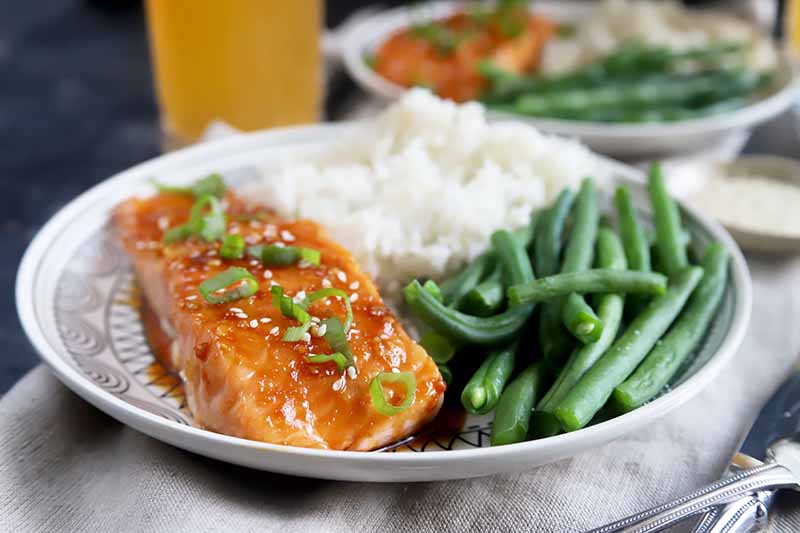
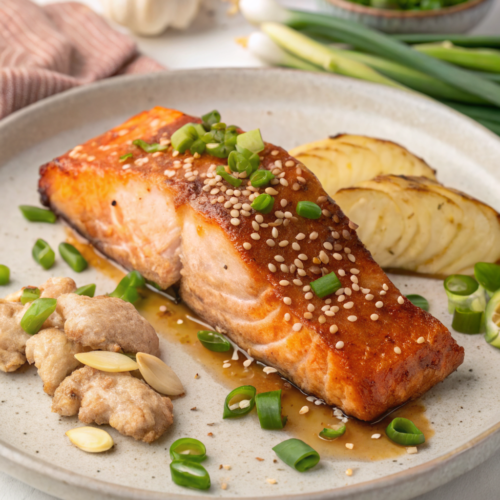
Ginger garlic salmon dinner served with healthy vegetables on a plate
Step 5: Garnish and Serve
Remove the salmon from heat and let it rest for 2 minutes. Sprinkle with fresh cilantro or parsley and sesame seeds. Serve immediately with your choice of sides for a complete, nourishing meal.
Healthy Ginger Garlic Salmon
Ingredients
- 4 salmon fillets about 6 oz each, skin-on preferred — wild-caught Atlantic or sockeye salmon works best
- 3 cloves garlic finely minced (or 1 tsp garlic paste)
- 1 tablespoon fresh ginger grated (or ½ tsp ground ginger as a substitute)
- 3 tablespoons low-sodium soy sauce or coconut aminos for a gluten-free option
- 1 tablespoon honey or maple syrup for a vegan-friendly swap
- 1 tablespoon sesame oil or olive oil for a lighter option
- 1 tablespoon rice vinegar apple cider vinegar works as a substitute
- 1 teaspoon turmeric powder — adds extra anti-inflammatory punch
- ½ teaspoon red pepper flakes optional, for heat lovers
- 2 tablespoons fresh lemon juice
- Salt and black pepper to taste
- 2 tablespoons fresh cilantro or parsley chopped (for garnish)
- 1 teaspoon sesame seeds for garnish
Instructions
In a small mixing bowl, whisk together the minced garlic, grated ginger, soy sauce, honey, sesame oil, rice vinegar, turmeric, red pepper flakes, and lemon juice. Mix until fully combined and the honey is dissolved. The marinade should smell bold, tangy, and slightly sweet.
Place the salmon fillets in a shallow dish or zip-lock bag. Pour the marinade over the fillets, ensuring each piece is fully coated. Let the salmon marinate for at least 15 minutes at room temperature, or up to 2 hours in the refrigerator for deeper flavor penetration.
Preheat your oven to 400°F (200°C) if baking, or heat a non-stick or cast-iron skillet over medium-high heat if pan-searing. Both methods yield delicious results. Pan-searing creates a crispier exterior, while baking is more hands-off and forgiving.
For Oven Baking: Line a baking sheet with parchment paper. Place fillets skin-side down. Spoon remaining marinade over the top. Bake for 12–15 minutes, or until the salmon flakes easily with a fork and reaches an internal temperature of 145°F (63°C).
For Pan-Searing: Add a drizzle of oil to the hot skillet. Place salmon skin-side up first. Cook for 4 minutes, then flip. Cook another 3–4 minutes until the skin is crispy and the flesh is opaque.
Remove the salmon from heat and let it rest for 2 minutes. Sprinkle with fresh cilantro or parsley and sesame seeds. Serve immediately with your choice of sides for a complete, nourishing meal.
Nutritional Information
This recipe is as nutritious as it is delicious. Here’s the approximate nutritional breakdown per serving (one 6 oz fillet with marinade):
- Calories: 320 kcal
- Protein: 38g — making this a true high protein dinner option
- Total Fat: 14g (mostly heart-healthy unsaturated fats)
- Omega-3 Fatty Acids: ~2,200mg — exceeding the daily recommended intake
- Carbohydrates: 8g
- Sugar: 5g (from honey)
- Sodium: 480mg
- Fiber: 0.5g
- Vitamin D: 71% of Daily Value
- B12: 127% of Daily Value
According to the American Heart Association, eating fatty fish like salmon at least twice a week significantly reduces the risk of cardiovascular disease. This dish delivers that benefit effortlessly.
Healthier Alternatives for the Recipe
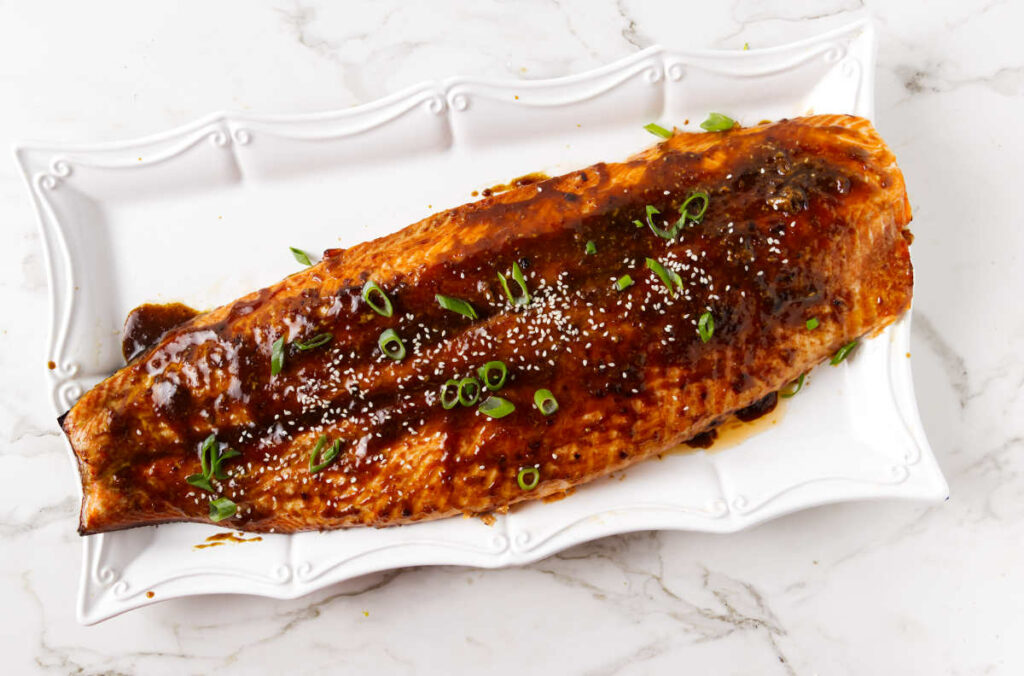
This recipe is already incredibly healthy, but here are some smart swaps to tailor it to your specific dietary needs:
- Lower sodium: Replace soy sauce with coconut aminos, which contains about 73% less sodium while maintaining a similar umami depth.
- Sugar-free: Swap honey for a few drops of pure stevia or monk fruit sweetener to reduce the glycemic load.
- Dairy-free and gluten-free: This recipe is naturally both — just confirm your soy sauce is certified gluten-free or use tamari.
- Keto-friendly: The recipe is already low-carb. Simply omit the honey and use a keto-approved sweetener.
- Vegan variation: Substitute salmon with thick-cut tofu or portobello mushroom caps. The marinade works beautifully on both.
- Budget-friendly: Frozen salmon fillets work just as well as fresh when properly thawed overnight in the refrigerator.
Serving Suggestions
This ginger garlic salmon dinner pairs beautifully with a wide variety of sides. Here are some crowd-pleasing combinations:
- Steamed jasmine or brown rice: The nutty flavor of brown rice complements the bold marinade perfectly and adds extra fiber.
- Roasted vegetables: Try broccoli, asparagus, or bok choy tossed in olive oil and sea salt. Roast alongside the salmon for an easy one-pan dinner.
- Cauliflower rice: A low-carb alternative that soaks up the marinade sauce beautifully.
- Asian cucumber salad: A light, refreshing side that balances the richness of the salmon with crisp, tangy notes.
- Miso soup: A warming, probiotic-rich accompaniment that rounds out the meal with gut-health benefits.
- Avocado slices: Add healthy fats and a creamy contrast to the bold, savory salmon.
Presentation tip: Serve the salmon over a bed of greens with a drizzle of extra marinade reduction for a stunning, restaurant-quality plate that photographs beautifully for social media.
Common Mistakes to Avoid
Even experienced cooks can trip up with salmon. Here are the most common mistakes — and exactly how to avoid them:
- Overcooking the salmon: This is the #1 mistake. Salmon should be removed from heat when it still looks slightly translucent in the very center. It will continue cooking from residual heat. Aim for 145°F internally.
- Skipping the marinade time: Even 15 minutes makes a significant difference in flavor depth. Don’t rush this step if you can help it.
- Using cold salmon straight from the fridge: Cold fish cooks unevenly. Let your fillets sit at room temperature for 10 minutes before cooking.
- Not patting the salmon dry before pan-searing: Excess moisture creates steam, which prevents that gorgeous golden crust from forming. Always pat dry with paper towels first.
- Overcrowding the pan: If searing multiple fillets, work in batches. Crowding drops the pan temperature and leads to steamed, not seared, fish.
- Using low-quality salmon: The quality of your salmon matters enormously. Wild-caught is always preferred over farmed for both flavor and nutritional content.
Storing Tips for the Recipe
Proper storage ensures your leftovers stay safe, fresh, and delicious for days to come.
Refrigerator storage: Allow cooked salmon to cool completely before storing. Place in an airtight container and refrigerate for up to 3 days. Reheat gently in a 275°F oven for 10–15 minutes to avoid drying it out.
Freezer storage: Cooked salmon can be frozen for up to 2 months. Wrap individual portions tightly in plastic wrap, then place in a freezer-safe bag. Thaw overnight in the refrigerator before reheating.
Meal prep tip: You can prepare the marinade up to 5 days in advance and store it in a sealed jar in the refrigerator. This makes weeknight cooking even faster — just marinate and cook.
Leftover ideas: Flake leftover salmon over salads, mix into scrambled eggs, or stuff into whole-grain wraps with avocado and greens for a quick, protein-rich lunch the next day.

Conclusion
This ginger garlic salmon dinner proves that healthy, anti inflammatory salmon recipes don’t have to be complicated or time-consuming. With a handful of pantry staples and less than 30 minutes, you can create a meal that nourishes your body, delights your palate, and supports your long-term wellness goals.
From nutrient-rich salmon to fresh ginger and garlic, every ingredient in this dish brings both flavor and health benefits. This ginger garlic salmon dinner is a simple and reliable option you can enjoy anytime — whether for busy evenings or easy meal prep.
Ready to try this healthy salmon recipe? Share your results in the comments, leave a rating, and send it to someone who needs a quick and nourishing high protein dinner idea. For more inspiration, explore our collection of anti inflammatory meals and discover new ways to eat well every day.