Best Anti-Inflammatory Face Creams to Try
Do you struggle with skin irritation or redness? You’re not alone. Many people deal with skin issues that can be eased with the right skincare. Calming and revitalizing your complexion is easier than you think with the right effective anti-inflammatory face creams.
Choosing the right products can greatly improve your skincare routine. By adding anti-inflammation skincare tips and the best anti-inflammatory face cream for your skin type, you can get a healthier and more radiant look.
Key Takeaways
- Discover the benefits of using anti-inflammatory face creams for a calmer complexion.
- Learn how to incorporate anti-inflammation skincare tips into your daily routine.
- Find out what makes a face cream effective in reducing inflammation.
- Explore the top anti-inflammatory face creams suitable for different skin types.
- Get tips on how to choose the best face cream for your specific skin concerns.
Understanding Facial Inflammation: Causes and Effects
It’s important to know what causes facial inflammation to find the right skincare. Facial inflammation can show up in many ways, affecting how you look and your skin’s health. To tackle this, we need to look at common causes, how it affects your skin, and the signs it shows.
Common Triggers of Skin Inflammation
Many things can cause skin inflammation, like harsh skincare products and environmental stressors. Using products with harsh ingredients can harm your skin’s natural barrier, causing inflammation. Pollution and UV radiation can also start inflammation. Knowing and avoiding these causes is key to soothing and preventing inflammation.
Harsh skincare products, like those with fragrances or dyes, can strip your skin of its natural protection, causing redness and irritation. Environmental factors, such as pollution and UV exposure, can trigger inflammation and damage your skin over time. Additionally, underlying health conditions like rosacea, eczema, or autoimmune disorders can lead to persistent inflammation, which may require special care.
How Inflammation Affects Your Skin Health
Inflammation can harm your skin health a lot, from mild irritation to serious conditions. Long-term inflammation can cause damage like hyperpigmentation and scarring. It can also weaken your skin’s natural barrier, making it more open to infections and irritation. Knowing how inflammation affects your skin is key to choosing the right skincare.
Signs Your Skin Is Experiencing Inflammation
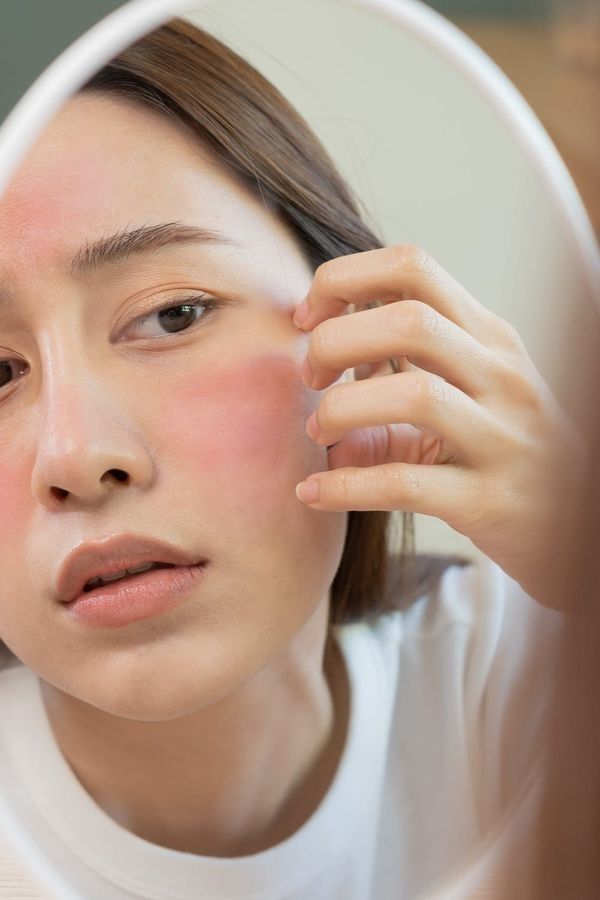
It’s important to recognize the signs of skin inflammation early. Look out for redness, swelling, warmth, and pain. Your skin might also itch or burn, and in bad cases, it could blister or crack. Spotting these signs early lets you adjust your skincare to calm your skin and stop more irritation.
Key Ingredients to Look for in Anti-Inflammatory Skincare
When looking for an anti-inflammatory face cream, knowing the key ingredients is key. The right mix can soothe and repair your skin. It helps calm inflammation and supports your skin’s health.
Soothing Botanical Extracts
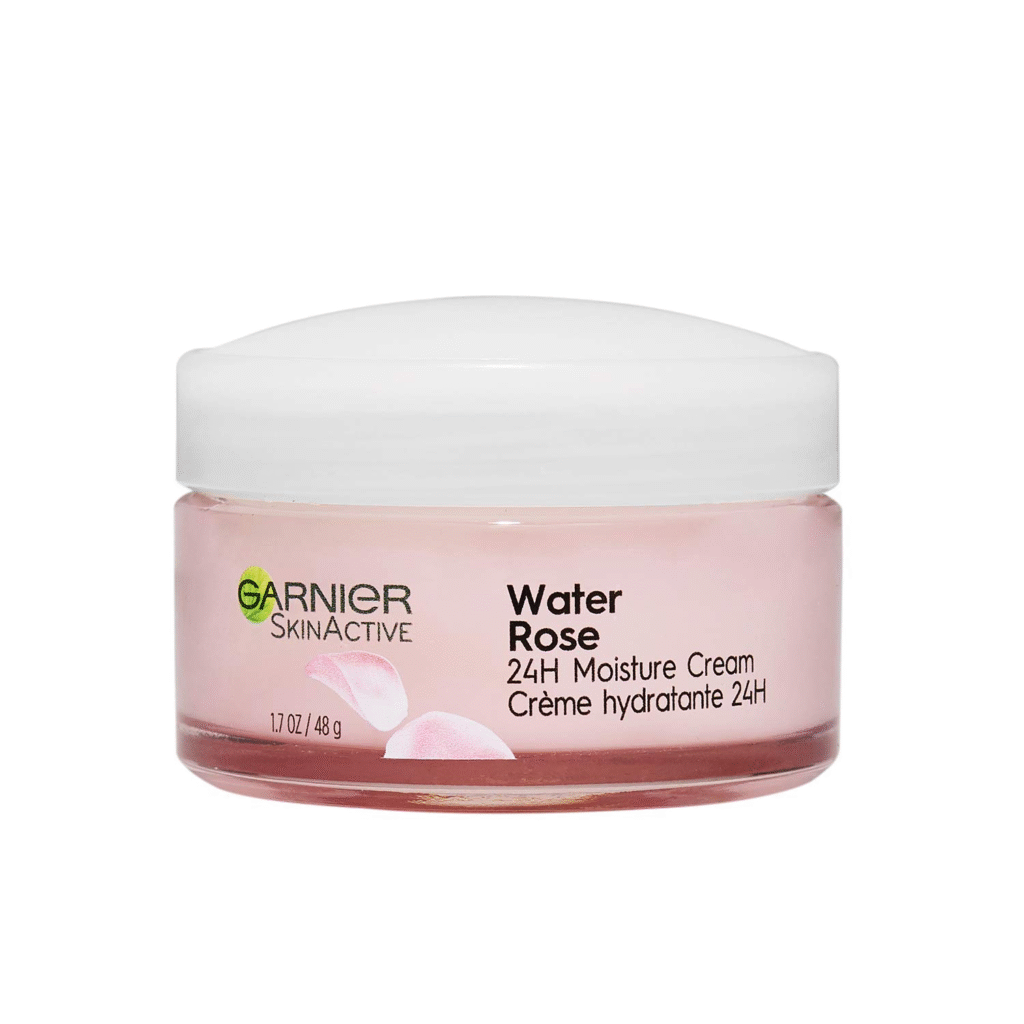
Botanical extracts like aloe vera, green tea, and chamomile are known for their calming effects. They help soothe irritated skin, reduce redness, and even out your skin tone. “Aloe vera is especially good for sensitive skin,” says a skincare expert.
Antioxidants and Their Calming Properties
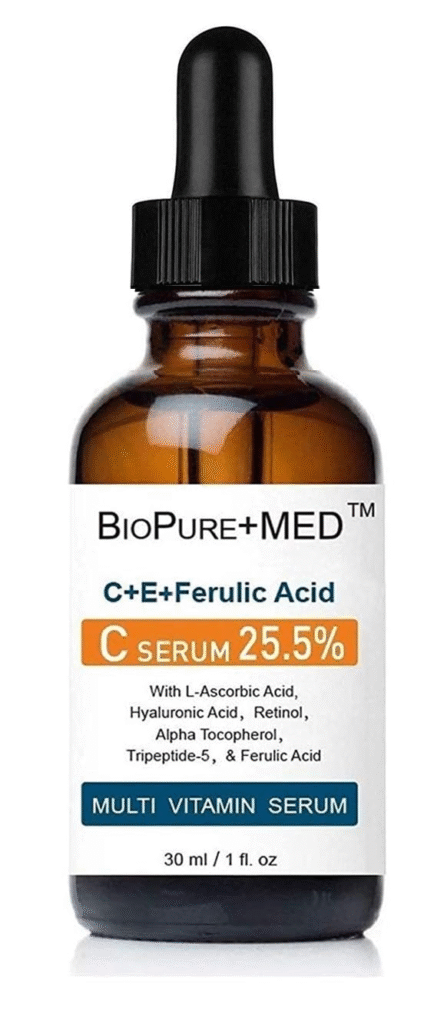
Antioxidants protect the skin from environmental stress and reduce inflammation. Ingredients like vitamin C, ferulic acid, and resveratrol fight off free radicals. This calms the skin and boosts its natural barrier. Using products with antioxidants is a great anti-inflammation skincare tip.
Peptides and Ceramides for Barrier Repair
Peptides and ceramides are crucial for fixing and strengthening the skin’s barrier. They improve skin elasticity, reduce inflammation, and boost the skin’s defense. Adding these to your skincare routine helps support your skin’s health and resilience.
Ingredients to Avoid When Skin Is Inflamed
Some ingredients can make inflamed skin worse, while others can help. Avoid harsh chemicals, artificial fragrances, and dyes. They can irritate the skin more. Choose gentle, fragrance-free products to help your skin recover. Knowing how to calm inflamed skin means being careful about what you put on it.
By choosing products with the right ingredients and avoiding irritants, you can create a skincare routine that helps your skin. It will support your skin’s health and reduce inflammation.
Best Anti-Inflammatory Face Cream Options for Different Skin Conditions
Inflammation can show up in many skin conditions. The right face cream can help ease symptoms. Whether you’re dealing with rosacea, eczema, dermatitis, or post-procedure inflammation, there are many anti-inflammatory face creams available.
Creams for Rosacea and Redness
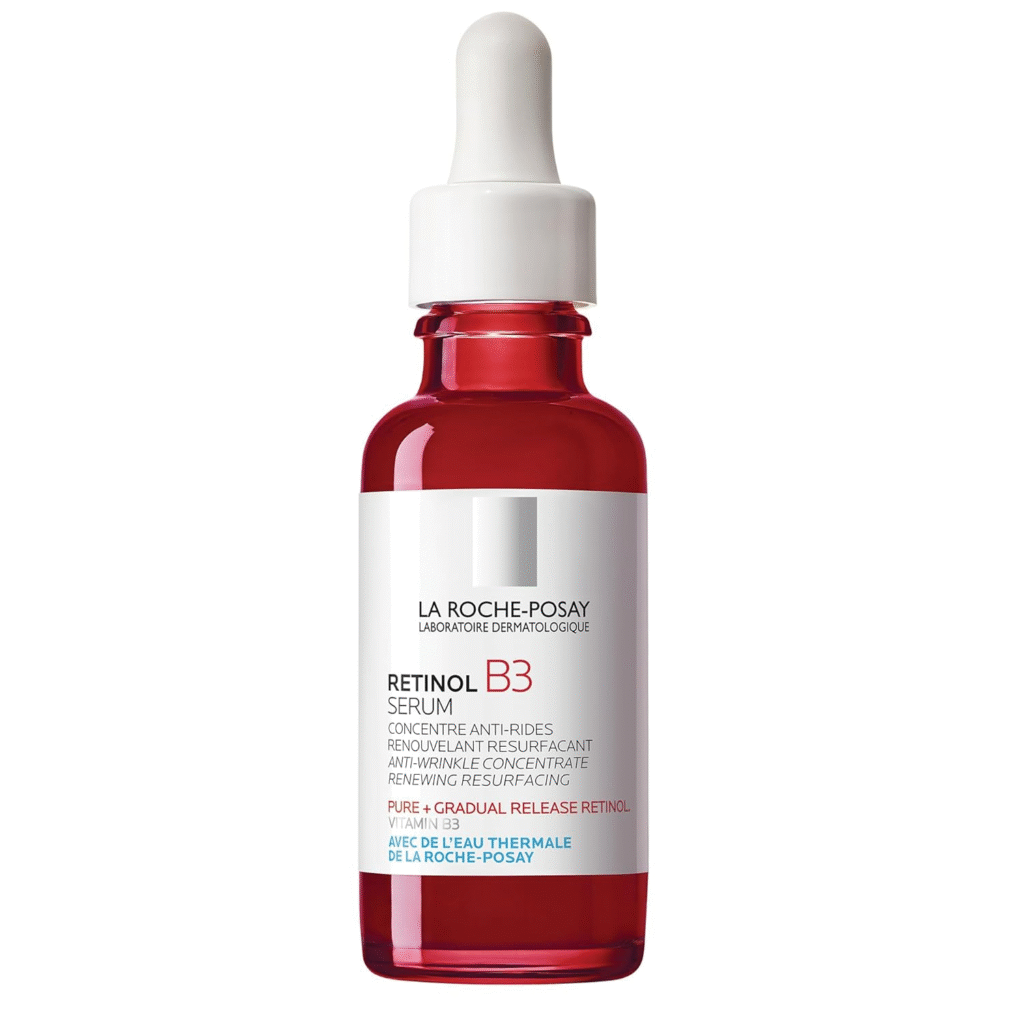
For rosacea and redness, look for creams that soothe and calm the skin. Ingredients like green tea, chamomile, and licorice extract are good choices. Some top picks include:
- La Roche-Posay Rosaliac AR Intense: Known for its soothing properties and ability to reduce redness.
- Avene Antirougeurs Calm: Formulated to calm sensitive skin and reduce visible redness.
Solutions for Eczema and Dermatitis
Eczema and dermatitis need creams that soothe and repair the skin barrier. Look for products with ceramides, hyaluronic acid, and niacinamide. Some effective options are:
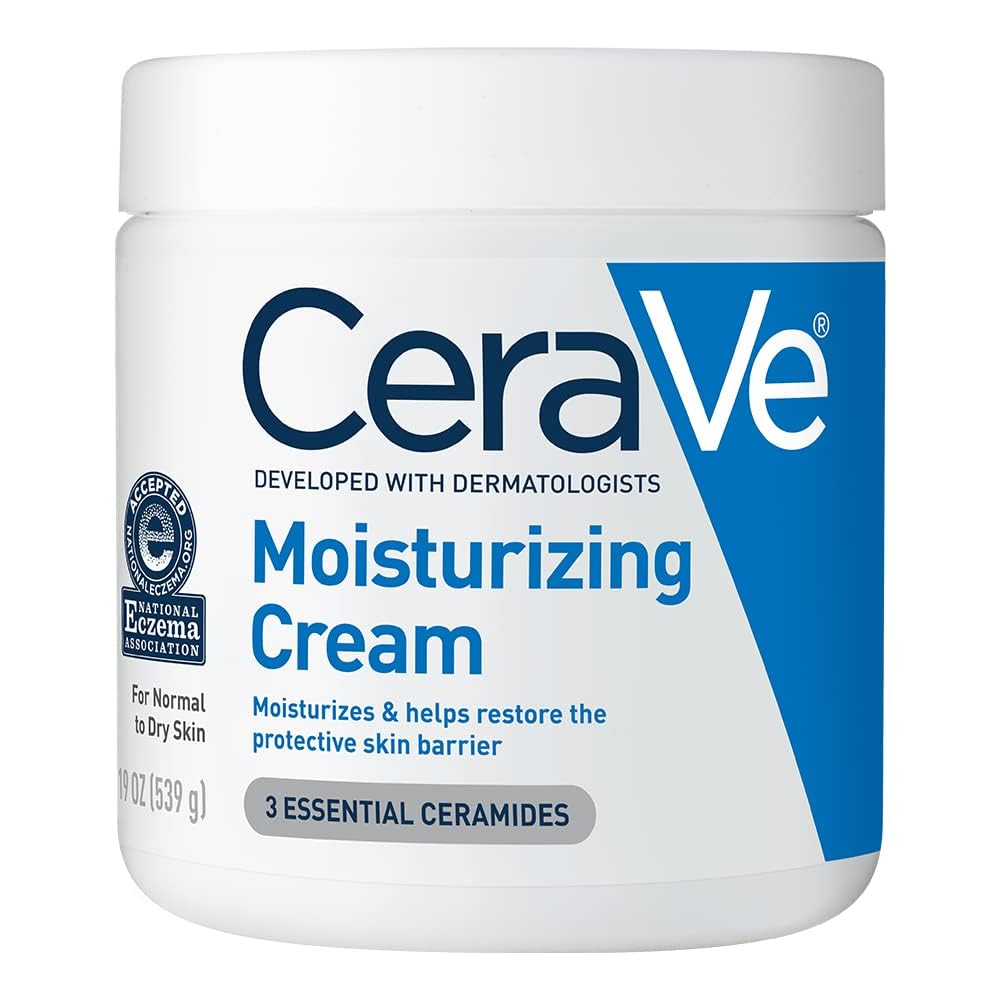
- CeraVe Moisturizing Cream: Rich in ceramides and hyaluronic acid, it helps repair and retain moisture.
- Eucerin Eczema Relief Body Cream: Designed to soothe and protect dry, irritated skin.
Products for Post-Procedure Inflammation
After cosmetic procedures, the skin may experience inflammation. It needs gentle, effective care. Creams with anti-inflammatory and antioxidant properties can aid in the healing process. Consider:
- Dr. Jart+ Cicapair Tiger Grass Cream: Known for its soothing and regenerative properties.
- Neocutis Bio-restorative Serum: Helps in reducing inflammation and promoting skin recovery.
For skin conditions like rosacea and redness, creams such as La Roche-Posay Rosaliac AR Intense, which contains soothing ingredients like green tea and chamomile, can help calm irritation. For eczema and dermatitis, CeraVe Moisturizing Cream with ceramides and hyaluronic acid helps restore the skin’s barrier and retain moisture. After cosmetic procedures, Dr. Jart+ Cicapair Tiger Grass Cream, enriched with tiger grass and antioxidants, can reduce inflammation and support healing.
Top Anti-Inflammatory Creams for Sensitive Skin
For those with sensitive skin, finding the right anti-inflammatory cream is key. It’s important to look for products that are both effective and gentle. This ensures your skin stays calm and irritation-free.
When searching for anti-inflammatory creams, focus on those made for sensitive skin. These products aim to soothe and calm without causing irritation.
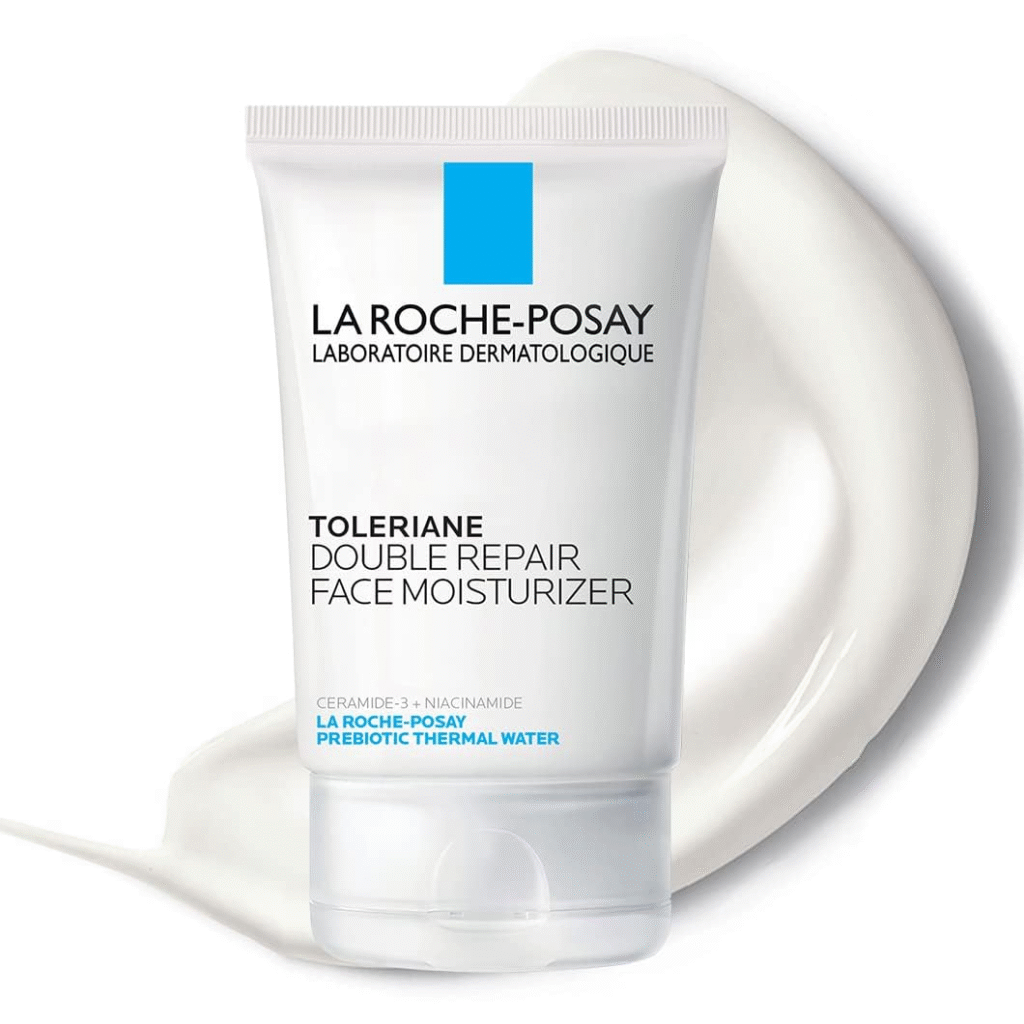
La Roche-Posay Toleriane Double Repair Face Moisturizer
Overview
The La Roche-Posay Toleriane Double Repair Face Moisturizer offers long-lasting hydration and repairs the skin’s barrier. It’s packed with ceramide and niacinamide to soothe sensitive skin.
Pros
This moisturizer is non-comedogenic and fragrance-free, making it great for sensitive skin. It’s also rich in emollients to keep moisture locked in.
Cons
Some might find the texture too rich. It’s not ideal for oily skin types.
Features
It provides 48-hour hydration, soothes redness, and repairs the skin’s barrier. It’s also tested by dermatologists and safe for sensitive skin.
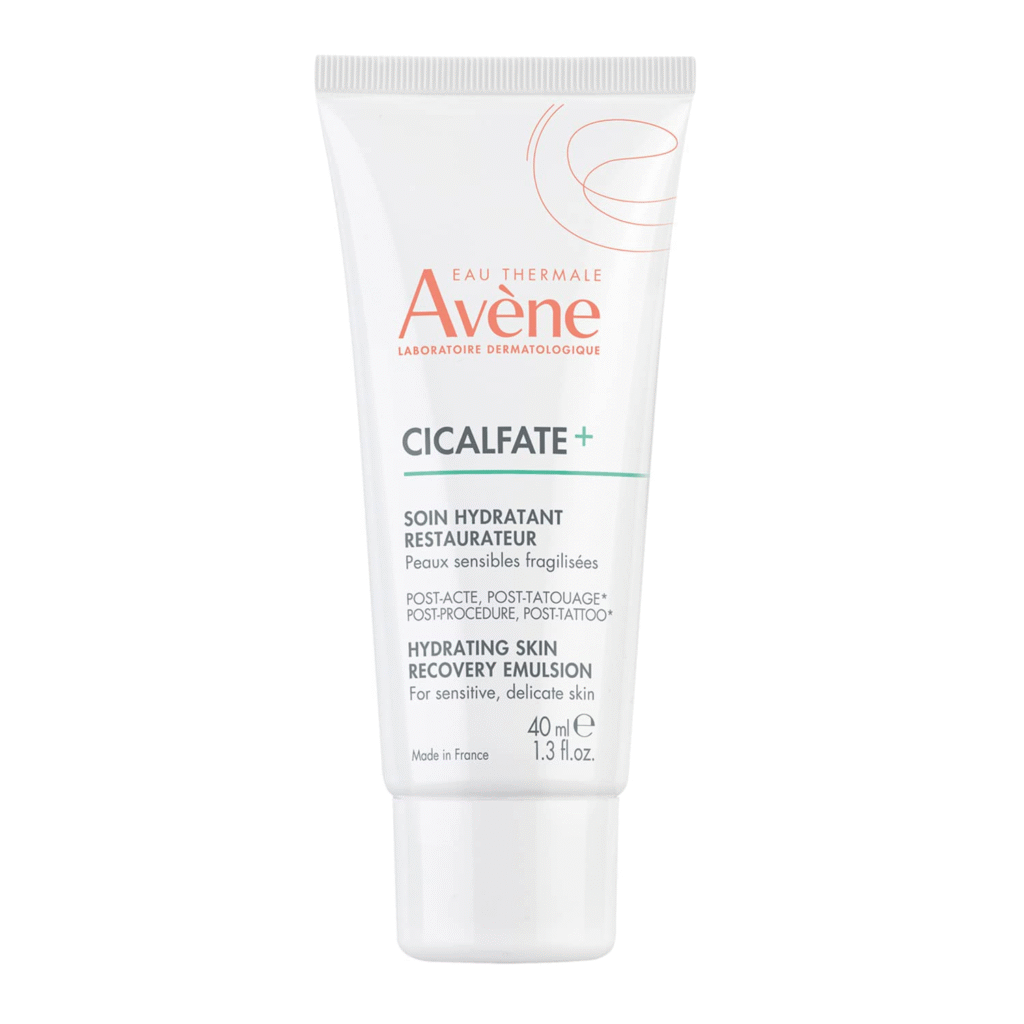
Avène Cicalfate Restorative Protective Cream
Overview
The Avène Cicalfate Restorative Protective Cream soothes, repairs, and protects sensitive skin. It’s enriched with Avène Thermal Water and ceramide for long-lasting comfort.
Pros
This cream is gentle and non-irritating. It’s perfect for sensitive skin, including eczema and dermatitis.
Cons
It might be too thick for some. It’s not the best for those who prefer lightweight moisturizers.
Features
It has a unique formula that restores the skin’s barrier, reduces irritation, and hydrates for a long time.
First Aid Beauty Ultra Repair Cream
Overview
The First Aid Beauty Ultra Repair Cream offers intense hydration and soothes irritated skin. It’s made with colloidal oatmeal and shea butter to calm sensitive skin.
Pros
This cream is rich and luxurious, ideal for dry, irritated skin. It’s free from common irritants like fragrance and dyes.
Cons
It might be too rich for oily skin. Some users might find it greasy.
Features
It provides long-lasting hydration, soothes redness, and protects the skin from environmental stressors.
Anti-Inflammatory Solutions for Acne-Prone Skin
Anti-inflammatory face creams are key for acne-prone skin. They reduce redness and inflammation. It’s important to choose gentle yet effective products.
Paula’s Choice CALM Redness Relief Moisturizer
This moisturizer fights redness and inflammation. It uses soothing ingredients for acne-prone skin.
Overview
Paula’s Choice CALM Redness Relief Moisturizer hydrates and soothes redness and irritation.
Pros
Effective redness reduction and non-comedogenic formula are great for acne-prone skin.
Cons
Some find it too lightweight. Others may experience a breakout when adjusting.
Features
It has green tea extract and licorice root extract to reduce inflammation.
Dr. Jart+ Cicapair Tiger Grass Cream
Dr. Jart+ Cicapair Tiger Grass Cream soothes and repairs acne-prone skin.
Overview
This cream uses tiger grass and natural ingredients to calm and repair the skin.
Pros
It’s intensely soothing and reduces post-inflammatory hyperpigmentation (PIH).
Cons
Some find the texture too rich. Others might feel a slight tingling.
Features
It includes Centella Asiatica and herbal extracts for anti-inflammatory benefits.
CeraVe Facial Moisturizing Lotion PM
CeraVe Facial Moisturizing Lotion PM is a night cream for hydration and skin repair.
Overview
This lotion hydrates and repairs the skin overnight, perfect for acne-prone skin.
Pros
It’s non-comedogenic and has hyaluronic acid for deep hydration.
Cons
Some find it too lightweight for very dry skin.
Features
It has three essential ceramides and hyaluronic acid for hydration and barrier repair.
Luxury Anti-Inflammatory Face Creams Worth the Splurge
For those willing to invest in premium skincare, luxury anti-inflammatory face creams offer a haven for sensitive skin. These high-end products are formulated with potent ingredients that not only soothe but also repair damaged skin.
Tatcha The Indigo Cream
Overview
Tatcha The Indigo Cream is a rich moisturizer that combines indigo and Japanese purple rice to soothe and nourish the skin.
Pros
Hydrating and soothing, this cream is perfect for dry, sensitive skin.
Cons
Some users may find it too rich for oily skin.
Features
Contains anti-inflammatory indigo and hydrating glycerin.
Augustinus Bader The Rich Cream
Overview
Augustinus Bader The Rich Cream is a luxurious moisturizer that utilizes TFC8 technology to stimulate collagen production.
Pros
Rich and luxurious, it provides long-lasting hydration.
Cons
It’s pricey and may not be suitable for all budgets.
Features
Features TFC8 technology for enhanced skin repair.
Sisley Paris Restorative Facial Cream
Overview
Sisley Paris Restorative Facial Cream is a nourishing moisturizer that helps restore the skin’s natural barrier.
Pros
Nourishing and restorative, it’s ideal for mature or damaged skin.
Cons
Some may find the scent overpowering.
Features
Contains plant extracts to soothe and rejuvenate the skin.
Investing in a luxury anti-inflammatory face cream can be a game-changer for those with sensitive or irritated skin. By choosing products with high-quality, soothing ingredients, you can achieve healthier, more radiant skin.
Budget-Friendly Anti-Inflammatory Face Creams
Now, you can find anti-inflammatory face creams that are affordable but still effective. These products help soothe and calm your skin without costing too much. Here are some budget-friendly options that are getting a lot of attention for their results.
The Ordinary Natural Moisturizing Factors + HA
The Ordinary Natural Moisturizing Factors + HA is a top-rated, affordable moisturizer. It provides long-lasting hydration and helps repair the skin’s barrier.
Overview
This cream combines natural moisturizing factors and hyaluronic acid for intense hydration.
Pros
Affordable and non-comedogenic, making it great for sensitive skin.
Cons
Some users find it too lightweight or watery.
Features
It has hyaluronic acid and natural moisturizing factors for hydration and skin repair.
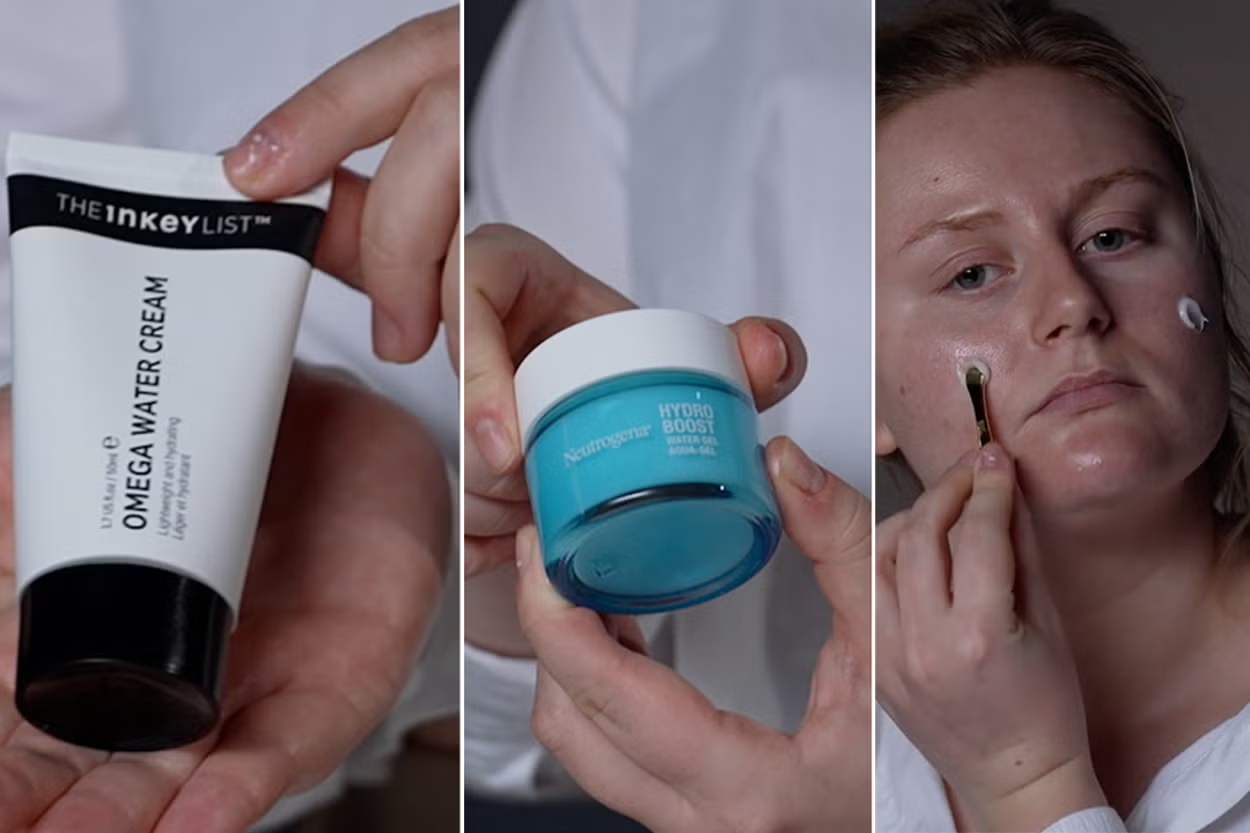
Neutrogena Hydro Boost Gel-Cream
Neutrogena Hydro Boost Gel-Cream is a popular choice for hydration and soothing inflamed skin. Its gel-cream texture makes it unique.
Overview
This gel-cream is made to provide long-lasting hydration and calm the skin.
Pros
Lightweight and oil-free, perfect for oily skin.
Cons
It might not be best for very dry skin because of its gel-like texture.
Features
It contains hyaluronic acid for intense hydration and a cooling effect.
Vanicream Moisturizing Skin Cream
Vanicream Moisturizing Skin Cream is a fragrance-free, gentle moisturizer. It’s great for sensitive skin and provides long-lasting hydration.
Overview
This cream is designed for sensitive skin, offering a gentle, non-irritating formula.
Pros
Fragrance-free and hypoallergenic, reducing irritation risk.
Cons
Some users find it too rich or thick.
Features
It has a blend of ingredients to support the skin’s barrier function and provide hydration.
Skincare expert Dr. Joshua Zeichner says, “Using a moisturizer that fits your skin type can greatly reduce inflammation and improve skin health.”
“Moisturizers play a crucial role in maintaining the skin’s barrier function, which is essential for reducing inflammation.”
DIY and Natural Anti-Inflammatory Skincare Solutions
Looking for a natural way to soothe inflamed skin? Try DIY skincare recipes with natural ingredients. These homemade treatments meet your skin’s needs and avoid harsh chemicals found in some products.
Homemade Oatmeal and Honey Masks
Oatmeal and honey are great for soothing and reducing inflammation. Mix colloidal oatmeal, honey, and a bit of water to make a paste. Apply it to your face for 15-20 minutes, then rinse with warm water.
This mask combines oatmeal’s soothing effects with honey’s antibacterial properties. It helps reduce inflammation and hydrates your skin.
Aloe Vera and Green Tea Treatments
Aloe vera calms irritated skin, while green tea fights inflammation with antioxidants. Mix aloe vera gel with cooled green tea. Apply it to your skin for 10-15 minutes, then rinse.
This treatment soothes inflamed skin and boosts antioxidants for better skin health.
Essential Oil Blends for Inflammation
Lavender and chamomile essential oils calm irritated skin with their anti-inflammatory properties. Always dilute essential oils with a carrier oil to avoid irritation. Mix a few drops of lavender essential oil with coconut or jojoba oil.
Apply this blend to inflamed areas for a soothing effect.
How to Incorporate Anti-Inflammatory Products Into Your Skincare Routine
To get the most out of anti-inflammatory face creams, you need to use them right. This means knowing how to apply them and mixing them with other skincare products.
Morning Application Tips
Begin your day by washing your face with a mild cleanser. Next, put on a thin layer of anti-inflammatory cream to keep your skin calm. End with a broad-spectrum sunscreen to block more irritation.
Evening Application Strategies
At night, clean and tone your face first. Then, apply the anti-inflammatory cream as a treatment. You can layer it under your moisturizer or use it alone, based on your skin’s needs. This helps repair and soothe your skin while you sleep.
Combining With Other Skincare Products
When mixing anti-inflammatory products with others, start with the thinnest and go to the thickest. Apply serums first, then the anti-inflammatory cream, and lastly a moisturizer. This way, each product works best together, improving your skin’s health.
By adding the best anti-inflammatory face cream to your routine wisely, you can manage skin inflammation treatment options well. This leads to healthier, stronger skin.
Conclusion: Finding Your Perfect Anti-Inflammatory Face Cream
Now you know about anti-inflammatory face creams. They can help with rosacea, eczema, or inflammation after procedures. Look for creams with soothing extracts, antioxidants, and peptides to calm and repair your skin.
Choose the best face cream based on your skin type and needs. If your skin is sensitive, pick fragrance-free and hypoallergenic options. For acne, choose non-comedogenic creams that won’t block pores. This way, you can get healthier, glowing skin.
Check out the options from this article and try different products. The right anti-inflammatory face cream can reduce redness and irritation. Say hello to a balanced, radiant complexion.
FAQ
What are the best ways to reduce inflammation in the face?
To reduce face inflammation, use anti-inflammatory creams and avoid harsh products. Keep a regular skincare routine. Adding aloe vera and green tea can soothe your skin.
How do I choose the right anti-inflammatory face cream for my skin type?
Choose a face cream based on your skin type and needs. Look for peptides, ceramides, and antioxidants. For sensitive skin, pick fragrance-free and hypoallergenic options.
Can anti-inflammatory face creams help with acne-prone skin?
Yes, they can soothe acne-prone skin. Ingredients like salicylic acid and tea tree oil help. Choose non-comedogenic products to avoid clogged pores.
How can I calm inflamed skin quickly?
To quickly calm inflamed skin, use a cold compress or soothing face mask. Aloe vera or green tea products are also effective. Avoid picking or scratching to prevent further irritation.
Are there any natural anti-inflammatory skincare solutions?
Yes, natural solutions include oatmeal and honey masks, aloe vera gel, and green tea extract. Essential oils like chamomile and lavender can also soothe the skin.
Can I use anti-inflammatory face creams with other skincare products?
Yes, you can mix anti-inflammatory creams with other products. But be careful of interactions. Start with small tests and add new products slowly.
How long does it take to see results from using anti-inflammatory face creams?
Results vary by product and skin concerns. Some offer quick relief, while others take weeks. Be patient and stick to your routine.