
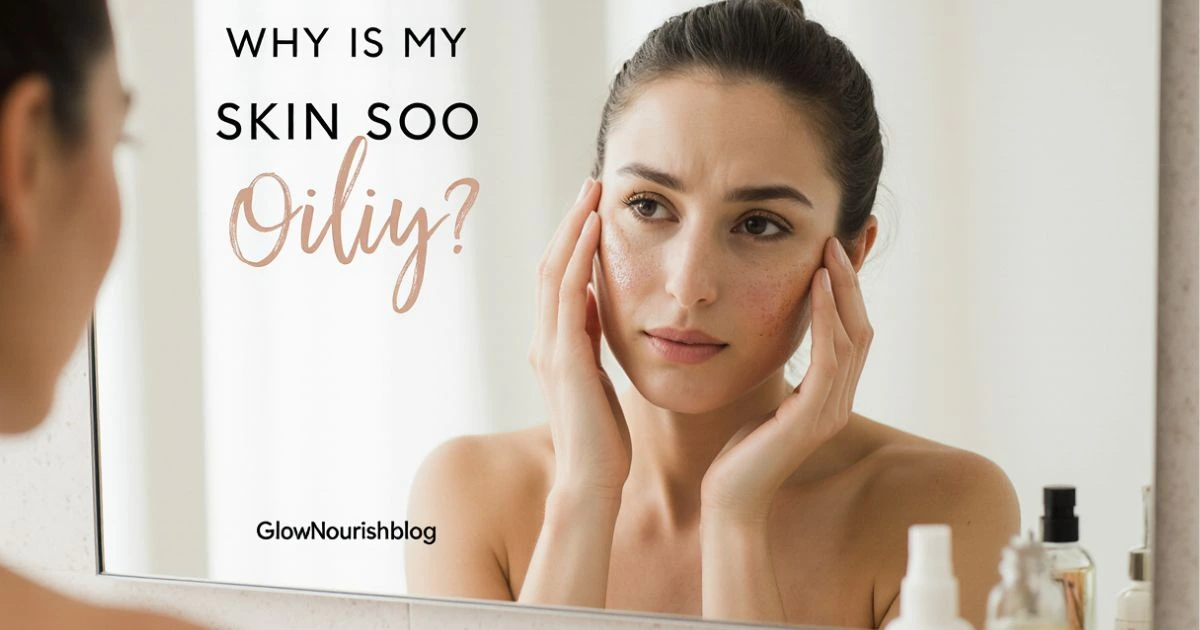
Why Is My Skin So Oily? Causes, Fixes & Tips to Reduce Shine
If you’ve ever looked in the mirror mid-day and wondered “why is my skin so oily?” you’re definitely not alone. Dealing with excess shine, enlarged pores, and that constant need to blot your face can be incredibly frustrating, especially when it seems like nothing you try makes a lasting difference. The truth is, oily skin affects millions of people worldwide and can stem from various factors ranging from genetics to skincare habits.
Understanding the root causes of oily skin is the first step toward finding effective solutions that actually work. While you might feel like your skin is producing oil faster than you can manage it, there are proven strategies to help control shine, reduce excess sebum production, and achieve that balanced, healthy glow you’re after.
The good news? Oily skin isn’t something you have to live with forever. With the right knowledge, products, and consistent routine, you can significantly improve your skin’s appearance and feel more confident in your complexion. Let’s dive into why your skin might be overproducing oil and explore practical solutions that deliver real results.
Why Is My Skin So Oily?
The question “why is my skin so oily” has several potential answers, as excessive oil production can result from multiple interconnected factors. Understanding these underlying causes helps you address the root of the problem rather than just treating the symptoms.
Genetics play a significant role in determining your skin type. If your parents had oily skin, you’re more likely to experience similar issues. Your genetic makeup influences the size and activity level of your sebaceous glands – the tiny structures in your skin responsible for producing sebum (natural oil). Some people simply inherit more active oil glands that produce excess sebum throughout their lives.
Hormonal fluctuations are another major contributor to oily skin. Androgens, particularly testosterone, stimulate sebaceous glands to produce more oil. This explains why many people experience increased oiliness during puberty, menstrual cycles, pregnancy, or menopause. Even stress-related hormonal changes can trigger increased oil production, creating a cycle where stress makes your skin oilier, which can cause more stress.
Environmental factors also impact oil production. Hot, humid weather stimulates sebaceous glands, while air conditioning and heating can cause your skin to overcompensate for dryness by producing more oil. Seasonal changes often affect skin behavior, with many people noticing increased oiliness in summer months.
Skincare habits can paradoxically make oily skin worse. Over-cleansing, using harsh products, or skipping moisturizer can strip your skin’s natural barrier, causing it to produce even more oil to compensate for the dryness. This creates a frustrating cycle where aggressive treatment of oily skin actually perpetuates the problem.
Diet and lifestyle factors may influence oil production, though research is still evolving. Some studies suggest that high-glycemic foods, dairy products, and excess sugar might contribute to increased sebum production in certain individuals. Additionally, inadequate sleep, chronic stress, and dehydration can all impact your skin’s oil balance.
The difference between asking “why is my face so oily” versus general body oiliness often relates to the higher concentration of sebaceous glands on your face, particularly in the T-zone area (forehead, nose, and chin). This area typically contains more oil glands than other parts of your body, making facial oiliness more noticeable and problematic.
Common Causes of Oily Skin
Overactive sebaceous glands form the foundation of most oily skin concerns. These microscopic structures exist throughout your skin but are most concentrated on your face, chest, and back. When these glands produce more sebum than necessary, it creates that shiny, greasy appearance that many people struggle to control.
The size and activity level of sebaceous glands are largely determined by genetics and hormones, but external factors can influence their behavior. Inflammation, certain medications, and even some skincare ingredients can stimulate increased oil production.
Harsh cleansers and overwashing represent one of the most common mistakes people make when trying to control face shine. Using strong, stripping cleansers or washing your face multiple times per day removes your skin’s natural protective barrier. When this happens, your skin interprets the dryness as a signal to produce more oil, leading to increased shine within hours of cleansing.
Many people fall into the trap of thinking that squeaky-clean skin is the goal, but healthy skin should never feel tight or stripped after cleansing. The ideal cleanser removes excess oil, dirt, and makeup without disrupting your skin’s natural pH balance or protective lipid barrier.
Wrong skincare products can exacerbate oily skin issues. Heavy, occlusive moisturizers can clog pores and trap oil, while alcohol-based toners can cause irritation and trigger increased oil production. Products containing certain oils, fragrances, or comedogenic ingredients may also contribute to excess shine and breakouts.
Additionally, using products not formulated for your skin type can create imbalances. What works for dry skin might be too rich for oily skin, while products designed for sensitive skin might not provide adequate oil control for those with very oily complexions.
Inconsistent skincare routines can also perpetuate oily skin problems. Skipping steps, using products sporadically, or constantly switching products prevents your skin from finding balance. Your skin needs time to adjust to new routines and ingredients, typically requiring 4-6 weeks to show significant improvement.
How to Get Rid of Oily Face Naturally
Managing oily face solutions doesn’t always require expensive treatments or harsh chemicals. Many natural approaches can effectively reduce excess oil while maintaining your skin’s health and balance.
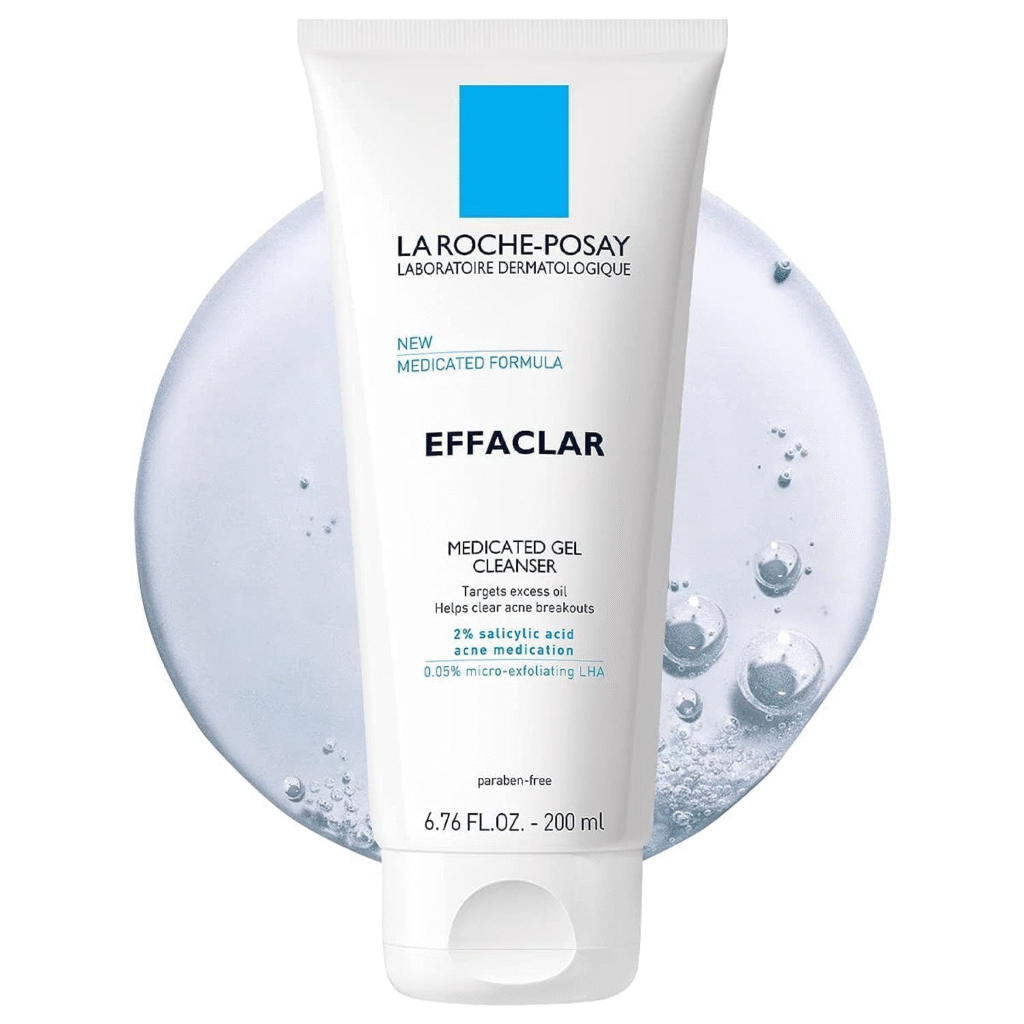
Gentle cleansing forms the foundation of natural oil control. Choose mild, pH-balanced cleansers that remove excess oil without stripping your skin. Look for ingredients like salicylic acid, which gently exfoliates and helps prevent clogged pores, or gentle surfactants derived from coconut or other natural sources.
Cleanse twice daily – once in the morning to remove overnight oil buildup and once in the evening to remove makeup, sunscreen, and daily accumulation of dirt and pollutants. Avoid over-cleansing, as this can trigger increased oil production.
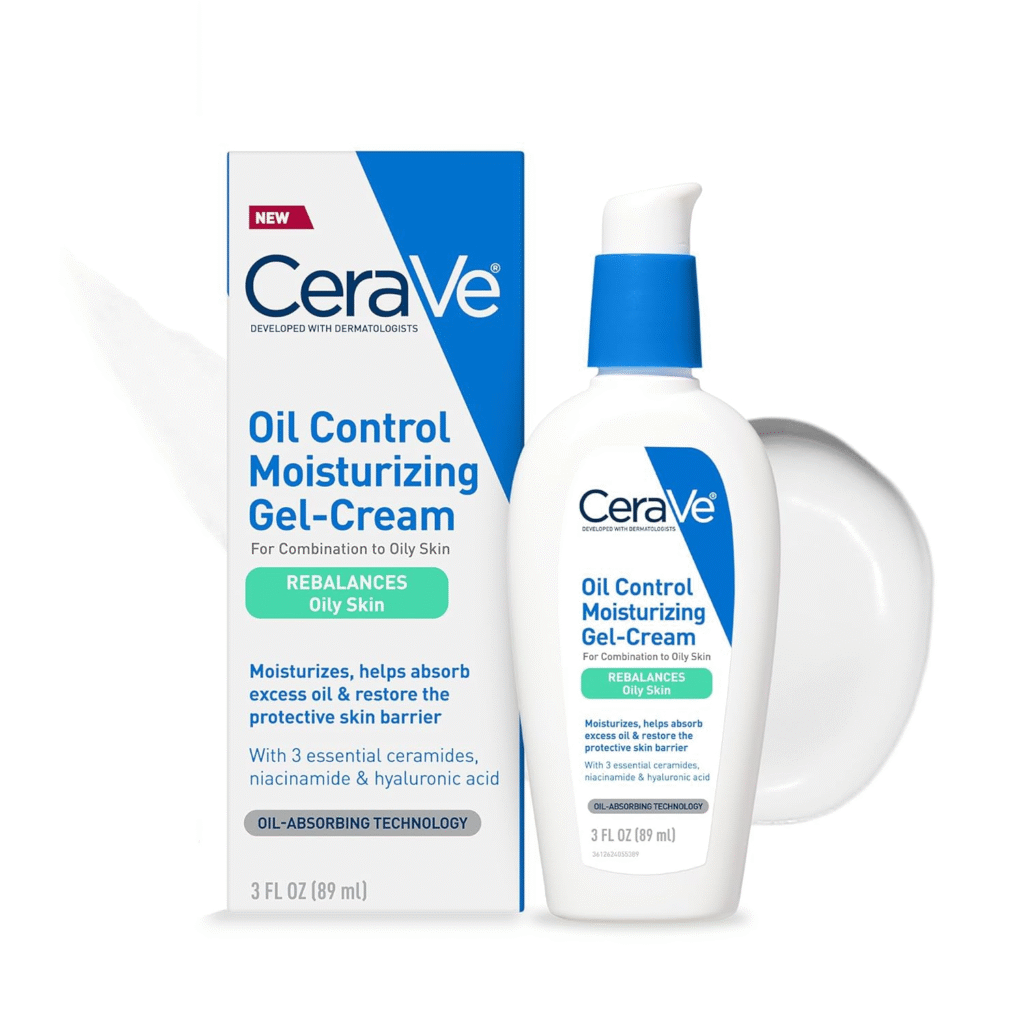
Oil-free moisturizers are essential, even for oily skin. Many people skip moisturizer thinking it will make their skin more oily, but this actually backfires. When your skin lacks adequate hydration, it compensates by producing more sebum. Look for lightweight, water-based moisturizers labeled “non-comedogenic” or “oil-free.”
Ingredients like hyaluronic acid, glycerin, and niacinamide provide hydration without adding heaviness. These humectants draw moisture from the environment into your skin while regulating oil production.
Clay masks and gentle exfoliation can help manage excess oil naturally. Bentonite or kaolin clay masks absorb excess sebum and temporarily tighten pores. Use these masks 1-2 times per week to avoid over-drying your skin.
For exfoliation, choose chemical exfoliants like salicylic acid or glycolic acid over physical scrubs. These ingredients penetrate pores to remove dead skin cells and excess oil without the irritation that physical scrubbing can cause.
Natural astringents like witch hazel or green tea can help temporarily reduce oil and tighten pores. However, use these sparingly and always follow with moisturizer to prevent your skin from becoming too dry and reactive.
How to Reduce Oily Skin Long-Term
Achieving lasting oily skin treatment results requires a comprehensive approach that addresses multiple factors contributing to excess oil production.
Balanced skincare routine consistency is crucial for long-term improvement. Establish a morning and evening routine that includes gentle cleansing, appropriate treatments, moisturizing, and sun protection. Stick with this routine for at least 6-8 weeks to see significant changes, as your skin needs time to adjust and rebalance.
Your routine should include products specifically formulated for oily skin, but avoid the temptation to use only oil-control products. Balance is key – you want to manage excess oil without creating dryness or irritation that can trigger increased production.
Choosing non-comedogenic products prevents clogged pores and reduces the likelihood of breakouts that can worsen oily skin appearance. Read ingredient lists carefully and avoid heavy oils, thick creams, and products containing known pore-clogging ingredients like coconut oil or certain silicones.
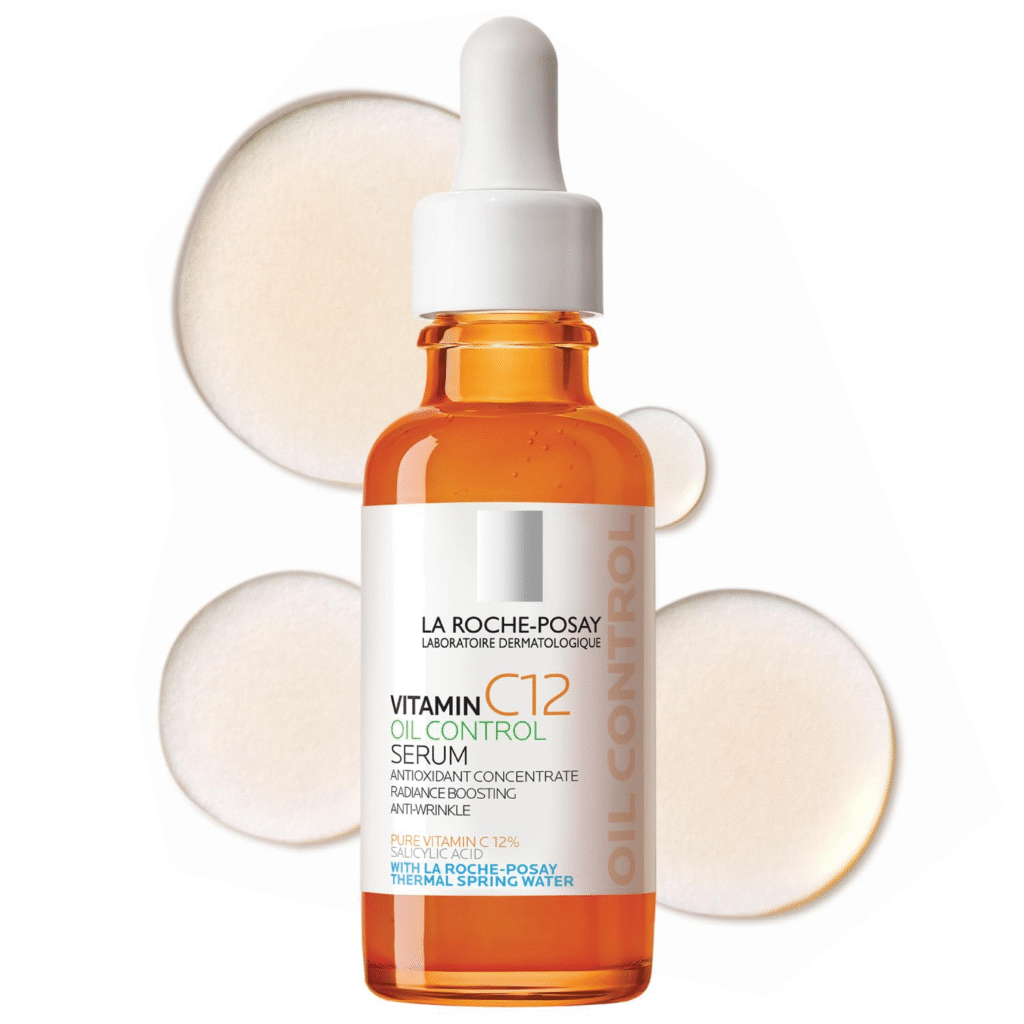
Instead, look for products containing ingredients like niacinamide, which regulates oil production, or retinoids, which help normalize skin cell turnover and prevent clogged pores. These ingredients provide long-term benefits beyond immediate oil control.
Lifestyle adjustments can significantly impact your skin’s oil production over time. Proper hydration helps maintain your skin’s natural balance – aim for 8-10 glasses of water daily. When your body is well-hydrated, your skin is less likely to overproduce oil to compensate for dryness.
Dietary considerations may help some people reduce oiliness. While research is still developing, some individuals find that reducing high-glycemic foods, dairy products, or excess sugar helps improve their skin. Keep a food diary to identify potential triggers specific to your skin.
Stress management is often overlooked but crucial for skincare for oily skin. Chronic stress increases cortisol levels, which can stimulate oil production. Incorporate stress-reduction techniques like regular exercise, meditation, adequate sleep, or hobbies you enjoy.
How to Stop Oil on Face Instantly
Sometimes you need immediate solutions for excess oil on skin, especially when you’re out and about or have important events.
Blotting papers provide the quickest way to remove surface oil without disturbing your makeup or skincare. Press gently rather than rubbing to absorb oil while leaving your makeup intact. Keep blotting papers in your purse, car, or desk for touch-ups throughout the day.
Choose blotting papers made from natural materials like rice paper or linen rather than synthetic materials that might irritate your skin. Some blotting papers are infused with powder or other oil-absorbing ingredients for enhanced effectiveness.
Mattifying powders can instantly reduce shine and create a smooth base for makeup application. Look for translucent powders that won’t alter your foundation color or add unwanted coverage. Apply with a large, fluffy brush for even distribution.
Setting powders containing ingredients like silica or rice powder are particularly effective at absorbing oil and creating a matte finish. Some formulations also include oil-absorbing ingredients that continue working throughout the day.
Quick skincare hacks can provide temporary relief when you don’t have specialized products available. A clean tissue can work as an emergency blotting paper, though it’s less effective than proper blotting papers. Ice cubes wrapped in a thin cloth can temporarily tighten pores and reduce oil production for special occasions.
However, remember that these are temporary solutions. For lasting results, focus on the long-term strategies outlined earlier rather than relying solely on quick fixes.
If you’re looking for more comprehensive skincare for oily skin guidance, explore our detailed resources in our skin care category for additional tips and product recommendations.
According to dermatological research, over-cleansing and using harsh products can actually increase oil production by disrupting the skin’s natural barrier function (Healthline – Oily Skin Causes), emphasizing the importance of gentle, balanced skincare approaches.
Frequently Asked Questions
Why is my face so oily even after washing?
If your face becomes oily shortly after washing, you’re likely using a cleanser that’s too harsh or washing too frequently. When you strip your skin’s natural oils, it responds by producing even more oil to restore balance. Switch to a gentler, pH-balanced cleanser and limit washing to twice daily. Also, ensure you’re following cleansing with an appropriate moisturizer – skipping this step can trigger increased oil production as your skin tries to compensate for dehydration.
Does oily skin need moisturizer?
Absolutely! This is one of the biggest misconceptions about how to reduce oily skin. Skipping moisturizer actually makes oily skin worse because dehydrated skin produces more sebum to compensate for the lack of surface moisture. Choose lightweight, water-based, non-comedogenic moisturizers that provide hydration without clogging pores. Look for ingredients like hyaluronic acid, glycerin, or niacinamide that hydrate while helping regulate oil production.
What foods reduce oily skin?
While diet’s impact on skin varies by individual, some foods may help reduce oiliness. Omega-3 rich foods like salmon, walnuts, and flaxseeds can help reduce inflammation that may contribute to excess oil production. Foods high in zinc, such as pumpkin seeds and lentils, may also help regulate sebum production. Staying hydrated with plenty of water is crucial. Some people find that reducing high-glycemic foods, dairy, and excess sugar helps their skin, though you should consult with a healthcare provider before making significant dietary changes.
Can oily skin cause acne?
Yes, oily skin can contribute to acne development, but it’s not the only factor. Excess oil on skin can mix with dead skin cells and bacteria to clog pores, leading to blackheads, whiteheads, and inflammatory acne. However, not everyone with oily skin develops acne, and people with normal or dry skin can also experience breakouts. The key is maintaining proper cleansing and exfoliation to prevent pore blockages while using non-comedogenic products that won’t further clog pores.