
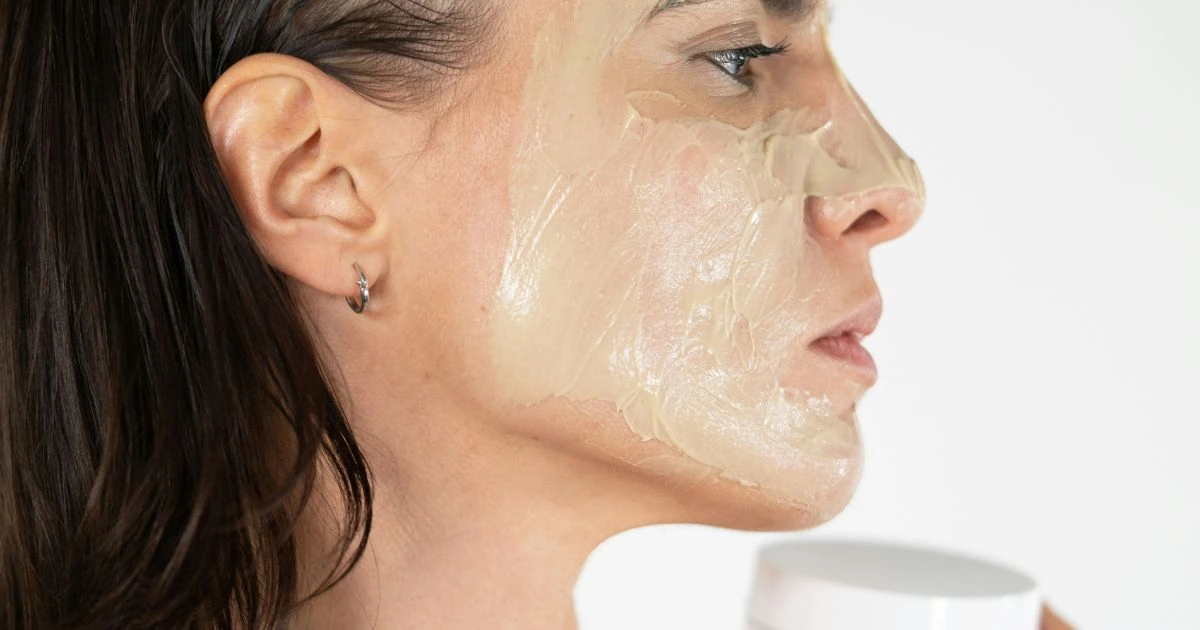
Anti-Inflammation Skincare Tips
Inflammation can wreak havoc on your skin, leaving it red, irritated, and sensitive. If you’ve been searching for how to reduce inflammation in your face or looking for effective skin inflammation treatments, you’re not alone. The good news is that with the right routine, soothing ingredients, and targeted products, you can calm your skin and restore its natural glow. From the best anti-inflammatory face creams to gentle skincare for sensitive skin, this guide shares practical tips and expert advice to help you achieve a calm, healthy complexion—even if your skin tends to react easily. Whether you’re dealing with occasional flare-ups or chronic redness, these anti-inflammation skincare tips are designed to be simple, effective, and Pinterest-worthy, perfect for saving, sharing, and transforming your routine.
Key Takeaways
- Understand the causes of inflamed skin and how to address them
- Learn effective techniques for calming irritated skin
- Discover the best products and ingredients for anti inflammation skin care
- Find out how to create a skincare routine that promotes overall skin health
- Explore tips for reducing redness and irritation
Anti-Inflammation Skincare Tips
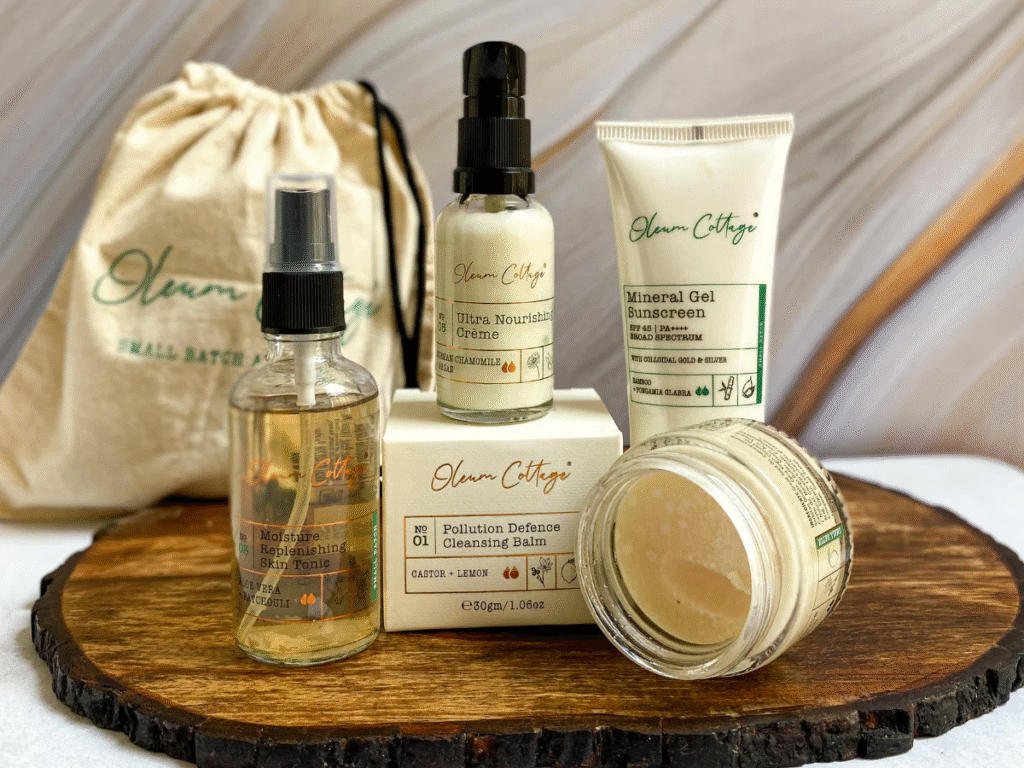
It’s important to understand the causes and types of skin inflammation. This knowledge helps you choose the right products and treatments to calm your skin effectively. Skin inflammation can range from mild redness and irritation to more severe conditions like acne or rosacea, making it essential to follow anti-inflammation skincare tips for a healthier complexion.
What Causes Skin Inflammation?
Skin inflammation can be triggered by both internal and external factors. External causes include environmental stress, harsh skincare products, and physical irritation. Internal factors, such as hormonal changes, diet, or stress, can also worsen inflammation. Knowing these triggers is key if you want to learn how to reduce inflammation in the face and maintain calm, balanced skin.
Skin Inflammation Treatment Options
When it comes to skin inflammation treatment, choosing gentle, soothing products is critical. Look for ingredients that reduce redness and irritation, such as aloe vera, chamomile, and niacinamide. Incorporating the best anti-inflammatory face cream into your routine can help strengthen your skin barrier and prevent future flare-ups.
Skincare for Sensitive Skin
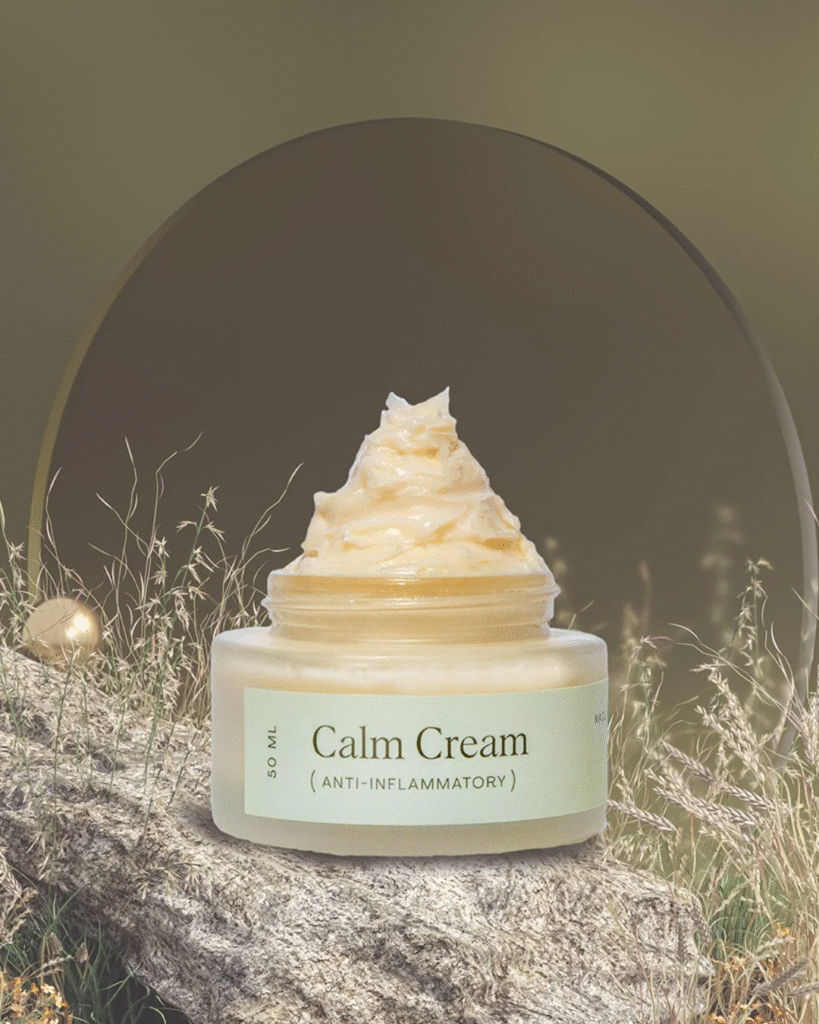
For those with reactive or sensitive skin, selecting the right routine is essential. Skincare for sensitive skin focuses on calming inflammation, minimizing irritation, and protecting the skin from environmental stressors. By combining gentle cleansers, lightweight moisturizers, and targeted anti-inflammatory treatments, you can achieve a smoother, more comfortable complexion.
External Triggers
Here are some outside causes of skin inflammation:
- Exposure to UV radiation
- Pollution and environmental toxins
- Harsh skincare products or makeup
Internal Factors
Inside factors that lead to skin inflammation include:
- Imbalanced gut health
- Stress and hormonal changes
- Genetic predispositions
Different Types of Skin Inflammation
Skin inflammation can be divided into different types. These are based on how long it lasts and its causes.
Acute vs. Chronic Inflammation
Acute inflammation is a short-term response to injury or infection. On the other hand, chronic inflammation lasts longer and can cause lasting skin damage.
Common Inflammatory Skin Conditions
Conditions like acne, rosacea, and eczema are common. Knowing these conditions helps find the right skin inflammation treatment.
To manage skin inflammation, it’s crucial to know how to reduce inflammation in face. This includes the right skincare and lifestyle changes.
Signs Your Skin is Inflamed
It’s important to know when your skin is inflamed. This helps you take the right steps to soothe it. Inflammation shows up in different ways, so it’s key to spot its signs.
Visual Indicators of Inflammation
Visual signs are often the first thing you notice. These include:
Redness and Swelling
Redness and swelling are clear signs of inflammation. Redness happens because more blood flows to the area. Swelling comes from fluid building up.
Texture Changes
Inflammation can also change how your skin feels. It might look uneven, bumpy, or irritated. These changes can signal an underlying issue.
Physical Sensations Associated with Inflammation
Inflamed skin can also feel different. Knowing these sensations helps you spot inflammation better.
Pain and Discomfort
Pain and discomfort are common with inflamed skin. The area might be tender or hurt all the time.
Heat and Sensitivity
Inflamed skin can feel warm or hot. It might also be sensitive, reacting badly to products or the environment.
Spotting these signs is the first step to calming inflamed skin. It’s also a good time to start an anti-inflammation skincare routine.
The Science Behind Anti-Inflammation Skincare
Anti-inflammation skincare works by calming the skin and preventing damage caused by environmental stress, health factors, or harsh products. Understanding how inflammation affects the skin is key to maintaining a healthy, radiant complexion.
How Inflammation Affects Skin Health
Inflammation can impact the skin both short-term and long-term.
Short-Term Effects
Mild inflammation may cause redness, swelling, or irritation. Using gentle, best anti inflammatory face cream and soothing routines can help reduce inflammation in the face quickly.
Long-Term Consequences
Chronic inflammation can lead to acne scars, hyperpigmentation, and premature aging. Incorporating proper skin inflammation treatments and skincare for sensitive skin helps prevent lasting damage and keeps skin calm.
The Skin’s Natural Inflammatory Response
Our skin naturally responds to inflammation to protect itself.
Protective Mechanisms
The skin’s inflammatory response helps protect it from damage. This involves various cellular processes that repair and restore the skin.
When Inflammation Becomes Harmful
While inflammation is natural, it can be harmful if it lasts too long or is too strong. Chronic inflammation can damage the skin and worsen conditions like acne and eczema. Effective skin inflammation treatment involves finding the cause and using the right skincare.
During the short-term inflammation stage, the skin may show redness, swelling, and irritation. To manage this, gentle cleansing and the use of anti-inflammatory products are recommended. If inflammation persists over the long-term, it can lead to issues like hyperpigmentation, acne scars, and premature aging. In this case, targeted treatments and a consistent skincare routine are essential to restore and protect the skin.
— Dr. Jane Smith, Dermatologist
By knowing how inflammation affects our skin and using the right skincare, we can reduce its appearance. Using the best anti-inflammatory face cream daily can help manage inflammation.
Creating a Daily Anti-Inflammatory Skincare Routine
A consistent routine can help reduce inflammation in the face and improve overall skin health. Using the right steps and gentle products keeps skin calm, balanced, and protected.
Morning Routine Steps
Start your day with a soothing routine:
Gentle Cleansing
Use a mild cleanser with calming ingredients like aloe vera or green tea to remove impurities without irritating your skin.
Protective Measures
Follow with a broad-spectrum sunscreen (SPF 30+) to shield your skin from UV damage, a common trigger of inflammation.
Soothing Morning Products
Incorporate products with anti-inflammatory ingredients like niacinamide or vitamin C to calm and protect your skin throughout the day.
Calming Night Products
Finish with a soothing night cream or serum. Ingredients like chamomile and hyaluronic acid help hydrate and calm the skin, ideal for skincare for sensitive skin.
Powerful Anti-Inflammatory Skincare Ingredients
Anti-inflammatory skincare ingredients are key for soothing and protecting inflamed skin. Adding these to your daily routine can reduce inflammation. This helps your skin become healthier and more resilient.
Bakuchiol and Plant Extracts
Bakuchiol, a natural retinol alternative, offers anti-inflammatory and anti-aging benefits. Combined with plant extracts, it helps strengthen the skin’s defenses against irritation and environmental stress.
Microbiome-Supporting Ingredients
Ingredients that support the skin’s microbiome are essential in anti-inflammatory skincare. They help maintain balance, reduce inflammation, and promote healthier skin.
Best Anti-Inflammatory Face Creams
Choosing the best anti-inflammatory face cream is key for calming irritated skin. From high-end to drugstore options, there are effective products for every budget. Affordable drugstore creams can provide soothing and protective benefits without breaking the bank.