
Burnout Skin Is Real: How Chronic Stress Is Aging Your Face
You know that exhausted, dull look staring back at you in the mirror after a crazy week? That’s not just tiredness—it’s your skin literally wearing your stress. I noticed it myself after months of deadlines and chaos: fine lines deepening, breakouts appearing out of nowhere, and a complexion that looked ten years older. Turns out, chronic stress isn’t just messing with your mind; it’s aging your face faster than you think. Let me walk you through what’s really happening and how to fix it. 🌿
Table of Contents
1. What Exactly Is Burnout Skin?

Burnout skin is what happens when prolonged stress takes a visible toll on your complexion. Your body pumps out cortisol (the stress hormone), which breaks down collagen, triggers inflammation, and slows down cell renewal. The result? Dullness, sagging, breakouts, and premature wrinkles that no amount of concealer can hide. It’s basically your skin screaming for help while you’re trying to survive another hectic day.
2. How Chronic Stress Skin Effects Show Up
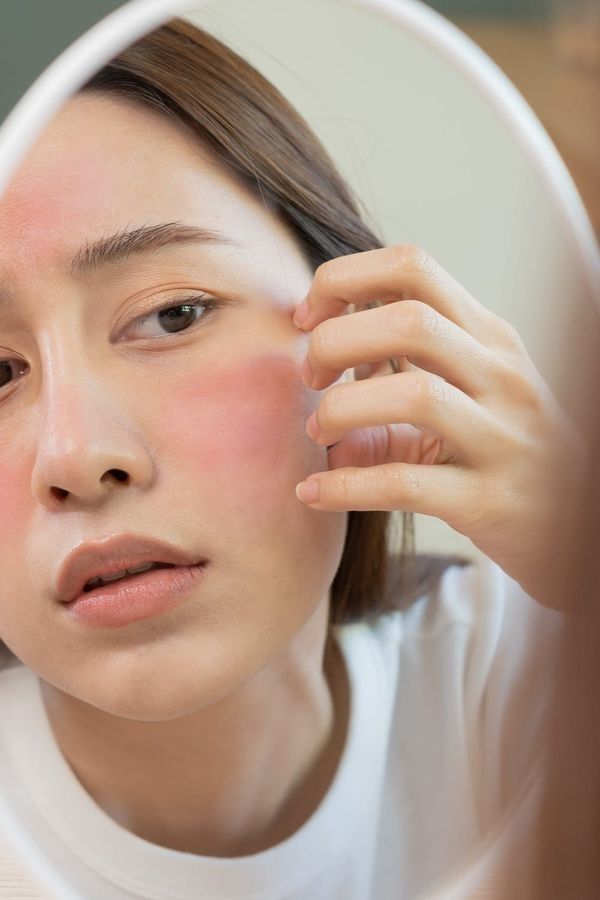
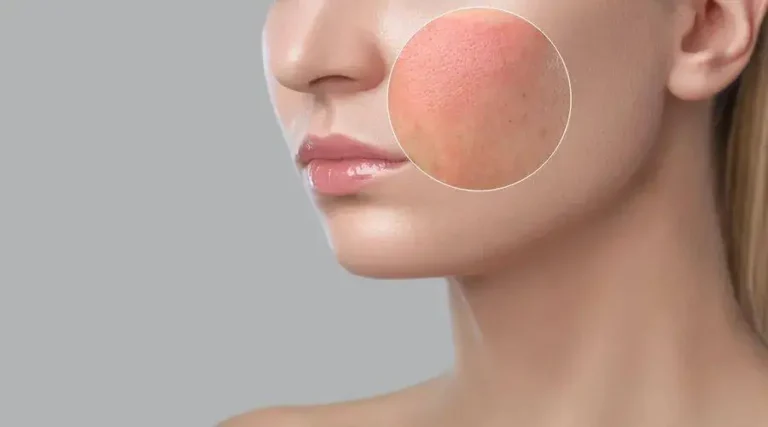
Stress doesn’t just give you one problem—it’s an overachiever. You might notice chronic stress skin effects like increased acne (thanks, cortisol!), dark circles that won’t quit, or sudden redness and sensitivity. Your skin barrier weakens, making you more prone to irritation and dryness. I’ve seen friends deal with stress-induced eczema flare-ups that appeared out of thin air. Your face is literally displaying your internal chaos, and ignoring it only makes things worse.
3. The Science Behind Skin Aging From Stress

Here’s the deal: when you’re stressed, your body goes into survival mode. Blood flow redirects away from your skin to vital organs, leaving your complexion starved of oxygen and nutrients. Collagen production drops, elasticity fades, and skin aging from stress accelerates dramatically. One study even showed that chronic stress can age your skin as much as smoking or sun damage. Yeah, it’s that serious. Your mind-skin connection is stronger than you ever imagined. 😬
4. Stress-Induced Skin Aging: The Cortisol Connection
Cortisol is the villain in this story. When stress becomes chronic, cortisol levels stay elevated, breaking down the proteins that keep your skin firm and plump. This leads to stress-induced skin aging—think deeper lines around your eyes and mouth, sagging jawline, and loss of that youthful bounce. Plus, high cortisol messes with your sleep, which is when your skin repairs itself. It’s a vicious cycle that keeps your face looking perpetually tired and older than your actual age.
5. The Link Between Stress And Skin Health

Stress and skin health are inseparable besties—when one suffers, so does the other. Stress disrupts your skin’s natural barrier function, making it vulnerable to environmental damage and dehydration. It also triggers inflammatory responses that can worsen conditions like rosacea, psoriasis, and acne. I learned this the hard way when my previously clear skin suddenly revolted during a stressful project. Taking care of your mental health isn’t just self-care fluff; it’s essential skincare.
6. Spotting The Warning Signs Early
Your skin gives you clues before things get really bad. Watch for sudden breakouts in areas you don’t usually get them, texture changes, persistent dryness despite moisturizing, or a complexion that looks gray and lifeless. Fine lines might appear seemingly overnight, especially around your forehead and eyes. If you’re noticing these signs alongside feeling overwhelmed or exhausted, your skin is waving a red flag. Don’t brush it off as “just a bad skin day”—it’s deeper than that.
7. Simple Ways To Combat Burnout Skin
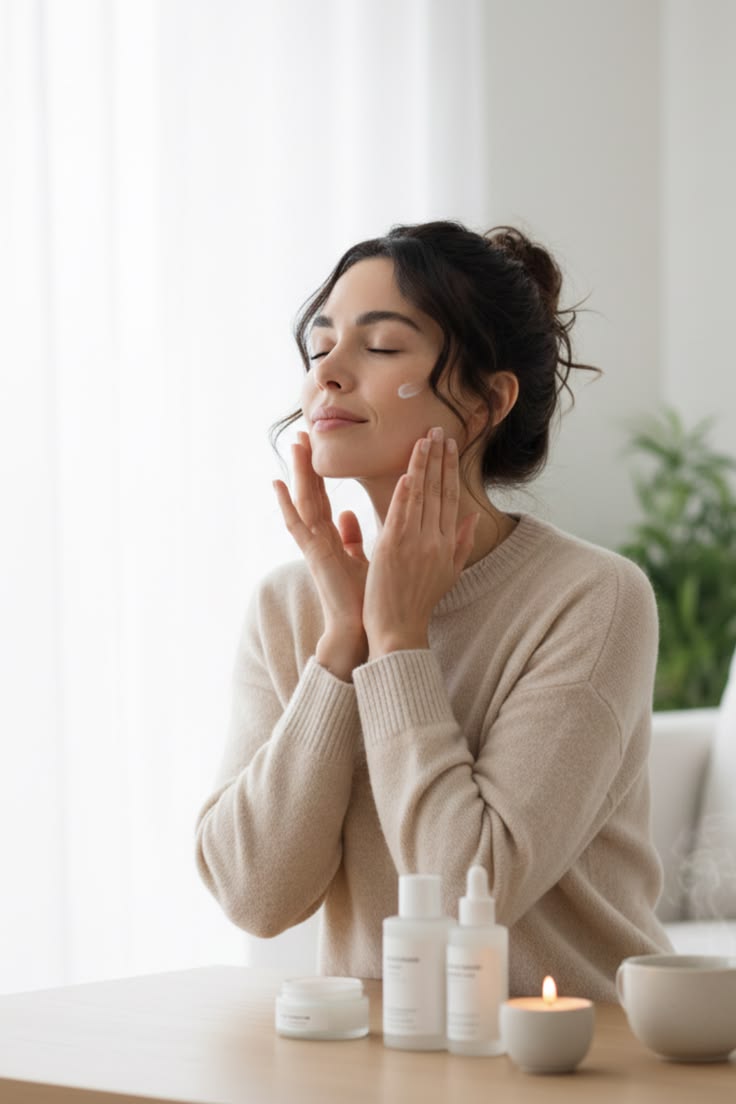
Start with the basics: prioritize sleep (your skin repairs itself at night), drink more water, and move your body to boost circulation. Add stress-reducing activities like meditation, yoga, or even just five-minute breathing breaks throughout your day. For your skincare routine, focus on gentle, nourishing products rather than harsh treatments. I’ve found that simplifying my routine actually helped more than piling on products. Sometimes less truly is more, especially when you’re already overwhelmed.
8. Skincare Ingredients That Fight Stress Damage
Look for ingredients that repair and protect: niacinamide to strengthen your barrier, hyaluronic acid for hydration, and antioxidants like vitamin C to fight free radical damage from stress. Retinol helps boost collagen production (but introduce it slowly if your skin is sensitive). Adaptogens in skincare—like ashwagandha or reishi mushroom—can help calm inflammation. As I mentioned when discussing effective anti-aging strategies, consistency matters more than fancy products. Choose a few targeted ingredients and stick with them.
9. When Your Face Wash Routine Matters Most
If you’re dealing with stress-related skin issues, timing your cleansing routine makes a difference. Your morning and night face wash habits should address different needs: gentle cleansing in the morning to remove overnight oils, and thorough cleansing at night to remove stress-related sebum buildup and environmental damage. Don’t skip your evening routine even when you’re exhausted—it’s when your skin needs the most support to repair itself overnight.
10. The Mental Load Factor
Here’s something nobody talks about enough: even your skincare routine can become a source of stress. According to research on skincare and mental load, complex 10-step routines can actually increase anxiety rather than help. If your routine feels like another task on an endless to-do list, simplify it. Three quality products used consistently beat twelve products gathering dust because you’re too stressed to use them.
Your skin is telling your stress story whether you want it to or not. The good news? Once you recognize burnout skin for what it is, you can take steps to reverse the damage and prevent it from getting worse. Start small—better sleep, more water, a simplified routine—and build from there. Your face (and your mental health) will thank you. Have you noticed stress showing up on your skin? Drop a comment and let’s chat about what’s worked for you! ✨