
How to Calm Inflamed Skin: Your Guide to Relief
Inflamed skin can really disrupt your day. It affects your comfort and overall health. Knowing what causes skin inflammation is key to feeling better.
When your skin gets inflamed, it hurts and worries you. Spotting the signs and using the right skincare can help. This way, you can make your skin healthier.
This guide will show you how to calm down irritated skin. You’ll learn how to get the relief you’re looking for.
Key Takeaways
- Understand the causes of skin inflammation
- Learn to identify the signs of inflamed skin
- Discover effective skincare practices to reduce inflammation
- Explore various methods to soothe irritated skin
- Promote healthier skin through the right practices
Understanding Skin Inflammation

It’s important to understand skin inflammation to find relief. When your skin gets inflamed, it might mean there’s an issue that needs fixing.
Common Signs and Symptoms of Inflamed Skin
Inflamed skin often shows redness, itching, and swelling. You might feel warmth or tenderness when you touch it. Sometimes, blisters or rashes can pop up. Spotting these signs is the first step to solving the problem.
Common skin symptoms include redness, which appears as visible inflammation, itching, an uncomfortable sensation that makes you want to scratch, and swelling, where areas of the skin become puffy due to fluid buildup.
Different Types of Skin Inflammation
Skin inflammation can be different, like contact dermatitis, eczema, and psoriasis. Each one has its own signs and needs a special treatment. Knowing what kind of inflammation you have is crucial for picking the right skin inflammation treatment options.
To reduce inflammation in face, figuring out the cause is key. You might need to stay away from irritants, use gentle skincare, or apply creams.
Common Causes of Skin Inflammation
Many things can cause skin inflammation, like what’s in the air. Knowing what causes it helps you take better care of your skin.
Environmental Triggers
Things like pollution, extreme weather, and UV rays can upset your skin. Keeping your skin safe from these is key. For example, using sunscreen with broad-spectrum protection can block harmful UV rays.
Allergic Reactions
Some products or makeup can make your skin react. Try new products on a small area first to see if you’re allergic. If your skin gets red, itchy, or swells, stop using it right away.
Underlying Skin Conditions
Issues like eczema, psoriasis, and rosacea can make your skin inflamed. Treating these conditions with medicine and gentle skincare is important. Adding anti-inflammation tips to your daily routine can also help.
Knowing what causes your skin inflammation is the first step to feeling better and preventing it.
How to Calm Inflamed Skin: Immediate Relief Strategies
When your skin gets inflamed, finding quick relief is key. Inflammation can come from many sources, like the environment, allergies, or skin conditions. Luckily, there are ways to calm your inflamed skin and feel better.
Cold Compress Techniques
Using a cold compress is a simple yet effective method. Cold temperatures help shrink blood vessels, which reduces swelling and pain. To make one, wet a cloth with cold water, wring it out, and place it on the affected area for 10-15 minutes. Do this as often as you need.
Gentle Cleansing Methods
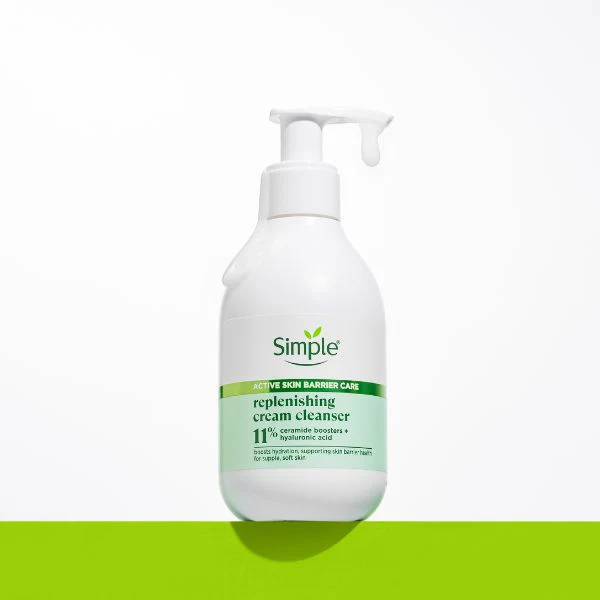
When your skin is inflamed, gentle cleansing is important. Choose a mild cleanser without harsh chemicals or artificial fragrances. Gently massage the cleanser onto your skin with your fingertips, then rinse with lukewarm water. Pat dry with a clean towel, avoiding any rubbing or tugging.
Soothing Natural Remedies
Some natural remedies can help soothe inflamed skin. Aloe vera, for example, has calming effects. Apply aloe vera gel directly to the affected area to reduce redness and swelling. Products with green tea or chamomile also offer anti-inflammatory benefits. Look for the best anti-inflammatory face cream that fits your skin type.
By adding these strategies to your skincare routine, you can calm inflamed skin and prevent further irritation. If your skin inflammation doesn’t get better or gets worse, see a dermatologist for advice on how to calm inflamed skin.
How to Reduce Inflammation in Face: Targeted Approaches\

Try these targeted methods to soothe your skin and reduce facial inflammation. Specific strategies can make a big difference in calming inflamed facial skin.
Facial Massage Techniques
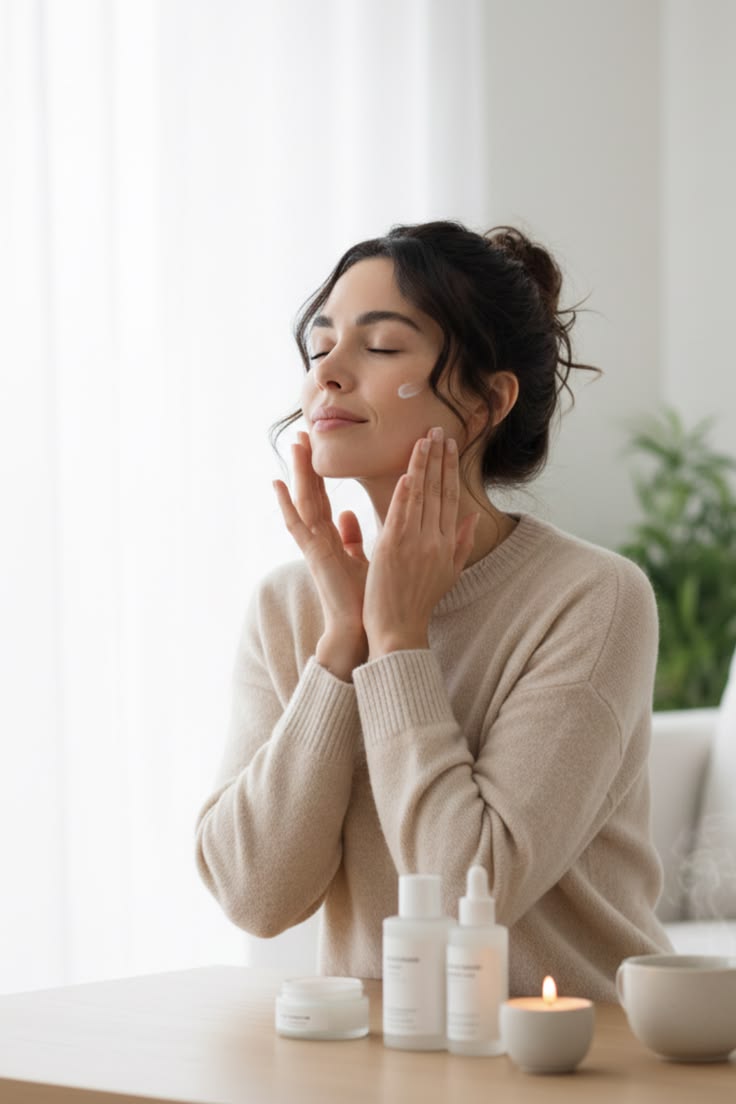
Facial massage is a great way to reduce inflammation. It improves circulation and reduces tension. To try it, gently massage your face in circular motions with your fingertips.
This helps increase blood flow and promote lymphatic drainage. It’s a simple yet effective way to soothe your skin.
Hydration and Barrier Repair
Keeping your skin hydrated and repairing its barrier is key. Use a gentle, non-comedogenic moisturizer to keep your skin moist. Look for products with hyaluronic acid, ceramides, or niacinamide.
These ingredients help repair the skin’s barrier. They’re essential for reducing facial inflammation.
Avoiding Irritants in Facial Products
It’s also important to avoid irritants in facial products. Check the ingredient labels for allergens or irritants like fragrances, dyes, or harsh exfoliants. Choose products labeled “hypoallergenic” or “fragrance-free” to avoid irritation.
Some ingredients to avoid include:
- Artificial fragrances: Can cause skin irritation and allergic reactions.
- Dyes and colorants: May irritate the skin and cause allergic reactions.
- Harsh exfoliants: Can strip the skin of its natural oils, leading to irritation.
Skin Inflammation Treatment Options
Treating skin inflammation needs a good understanding of the options. The severity of your condition will decide the treatment. This can range from over-the-counter products to prescription treatments.
Over-the-Counter Anti-Inflammatory Products
For mild to moderate inflammation, OTC products can help. They often have hydrocortisone, aloe vera, or tea tree oil. These ingredients reduce inflammation and soothe the skin.
When picking an OTC product, choose fragrance-free and hypoallergenic ones. This reduces the chance of more irritation.
Best Anti-Inflammatory Face Creams
Anti-inflammatory face creams target facial inflammation. They contain ceramides, niacinamide, and green tea extract. These ingredients reduce inflammation and repair the skin’s barrier.
Top-rated face creams come from brands like Cetaphil, Neutrogena, and La Roche-Posay. They are known for their effectiveness.
For keeping skin hydrated and healthy, Cetaphil Moisturizing Cream with glycerin and panthenol provides long-lasting moisture and soothes dry skin. Neutrogena Hydro Boost Water Gel, containing hyaluronic acid, offers lightweight yet intense hydration without clogging pores. For sensitive skin, La Roche-Posay Toleriane Ultra Fluid, enriched with shea butter and glycerin, soothes and hydrates while remaining oil-free.
Prescription Treatments for Severe Cases
For severe inflammation, prescription treatments are needed. These include topical corticosteroids, immunomodulators, or biologics. They are stronger than OTC products.
Your healthcare provider or dermatologist will decide the best treatment for you. They will consider the severity of your condition.
Anti-Inflammation Skincare Tips
Calming inflamed skin needs a careful skincare routine. Making a few simple changes can greatly reduce inflammation. This helps promote healthier skin.
Building a Gentle Skincare Routine
Start by creating a gentle skincare routine that avoids harsh products. Choose mild cleansers and moisturizers for sensitive skin. Stay away from products with irritating ingredients that can dry out your skin.
- Use lukewarm water instead of hot water.
- Limit your skincare routine to the essentials.
- Be gentle when washing your face.
Ingredients to Look For and Avoid
Knowing what’s in your skincare products is key. Look for products with soothing ingredients like aloe vera, green tea, and chamomile. On the other hand, steer clear of harsh chemicals, artificial fragrances, and dyes that can irritate your skin.
- Aloe vera: Soothes and calms inflamed skin.
- Green tea: Rich in antioxidants, reducing inflammation.
- Chamomile: Gentle and calming, ideal for sensitive skin.
Patch Testing New Products
Before adding new products to your routine, patch testing is essential. Apply a small amount to a discreet area of your skin. Wait 24-48 hours to see if there’s any reaction. This simple step can prevent widespread irritation and make sure your skincare routine is safe and effective.
Lifestyle Changes for Long-Term Relief
Simple lifestyle changes can help reduce skin inflammation over time. By adding these changes to your daily routine, you support your skincare. This leads to healthier, more resilient skin.
Anti-Inflammatory Diet Recommendations
Eating an anti-inflammatory diet is key. Focus on fruits, vegetables, and omega-3 fatty acids. Include leafy greens, berries, and fatty fish in your meals. A best anti-inflammatory face cream can also help by targeting your skin care.
Stress Management for Skin Health
Managing stress is vital for healthy skin. Try meditation, yoga, or deep breathing exercises to reduce stress. Lowering stress helps prevent flare-ups and improves skin health.
Sleep Quality and Skin Inflammation
Good sleep quality is crucial for reducing inflammation. Aim for 7-8 hours of sleep each night. A consistent sleep schedule is important. Poor sleep can worsen inflammation, so a bedtime routine helps.
By adopting these lifestyle changes, you can greatly reduce skin inflammation. A healthy lifestyle, combined with the right skincare, like a best anti-inflammatory face cream, leads to long-term relief and better skin.
Conclusion
Calming inflamed skin needs a full approach. This includes gentle skincare, lifestyle changes, and specific treatments. Knowing what causes skin inflammation helps a lot. By following the tips in this guide, you can make your skin feel better.
For lasting results, be patient and keep up the good work. Start with a gentle skincare routine. Also, stay away from things that can irritate your skin. Eating right and managing stress are also key.
By doing these things, you can get a healthier, more balanced skin look. Now, you know how to calm inflamed skin. Take the first step towards having the calm, radiant skin you want.
FAQ
What are the most effective ways to calm inflamed skin?
To calm inflamed skin, try a cold compress and gentle cleansing. Use natural remedies like aloe vera or chamomile. Also, use anti-inflammatory products and avoid irritants.
How can I reduce inflammation in my face?
To reduce face inflammation, use facial massage and keep your skin hydrated. Repair your skin’s barrier and avoid irritants in products. Use anti-inflammatory creams or serums.
What are the best anti-inflammatory face creams?
Look for face creams with hyaluronic acid, ceramides, and niacinamide. Choose products from trusted brands that are fragrance-free and hypoallergenic. This reduces irritation risk.
How can I prevent skin inflammation from occurring in the first place?
To prevent inflammation, use a gentle skincare routine and avoid harsh products. Be careful with skincare product ingredients. Patch test new products and manage stress. Eat a balanced diet with fruits, veggies, and omega-3s.
Are there any lifestyle changes I can make to support my skincare efforts?
Yes, support your skincare with lifestyle changes. Eat an anti-inflammatory diet and manage stress with meditation or yoga. Good sleep quality also helps reduce inflammation and promotes healthy skin.
What are the common causes of skin inflammation?
Skin inflammation can come from many sources. Environmental factors like pollution and extreme weather are common. Allergic reactions to products or makeup and skin conditions like eczema or psoriasis also cause it.
How do I know if I need prescription treatment for my skin inflammation?
If your skin inflammation is severe or doesn’t go away, see a dermatologist. They can help with prescription treatments. Over-the-counter products might not work for severe cases.