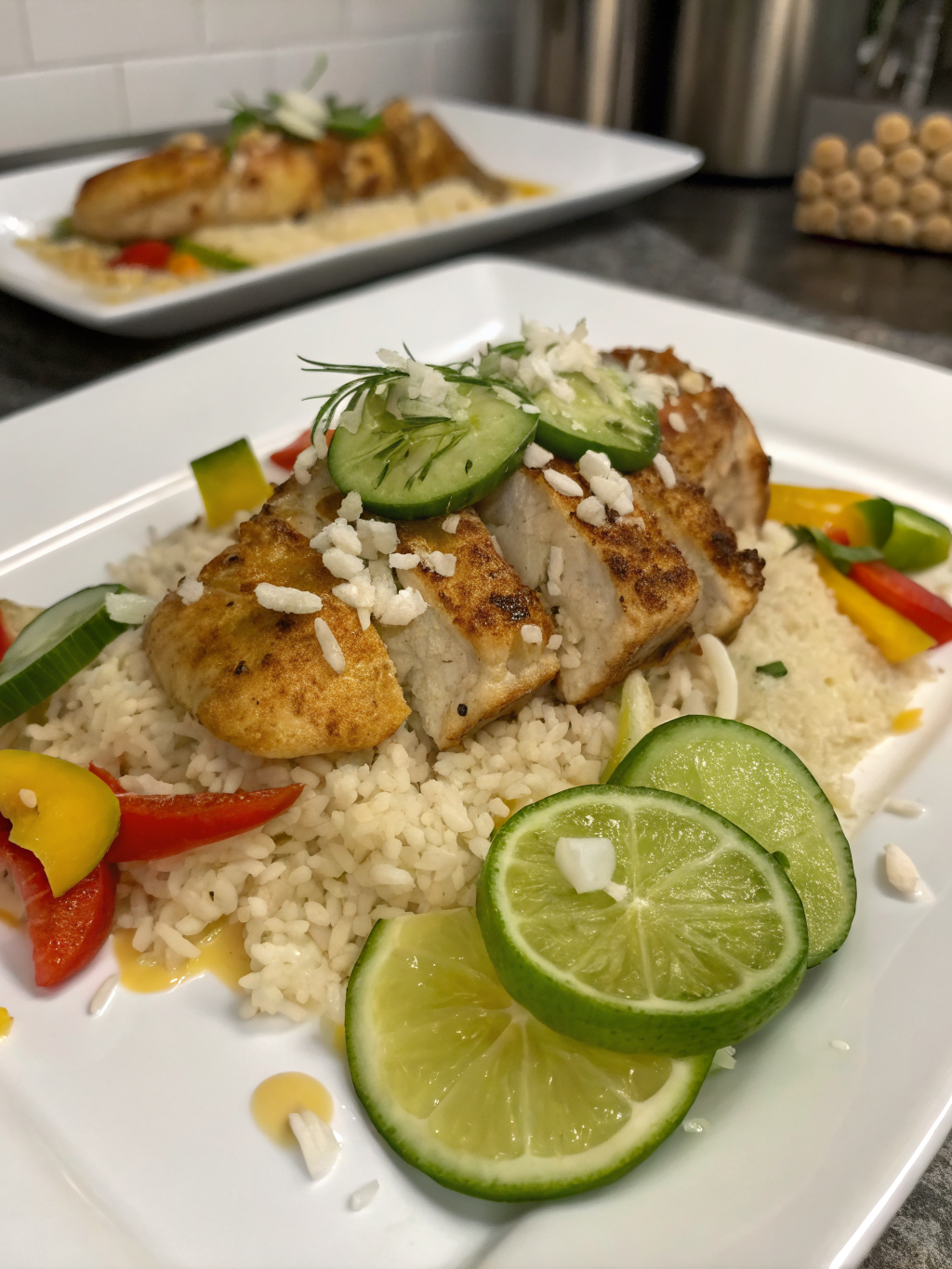
Coconut Lime Chicken Gluten Free Anti Inflammatory Dinner
What if one simple dinner could fight inflammation, satisfy your taste buds, and come together in under 40 minutes? Most people assume healthy eating means bland, boring meals — but this Coconut Lime Chicken recipe is about to change everything you think you know about nutritious weeknight cooking.
Bright, zesty, and deeply satisfying, this dish combines creamy coconut milk with fresh lime juice and anti-inflammatory spices to create a meal your whole family will request on repeat. Whether you’re managing inflammation or simply craving something delicious, this recipe delivers on every level.
As an Anti-Inflammatory Chicken recipe, it’s naturally gluten-free, dairy-free, and packed with healing ingredients like turmeric, ginger, and garlic. Let’s dive in.
Why You’ll Love This Coconut Lime Chicken
This isn’t just another chicken recipe. It’s a carefully crafted dish designed to nourish your body while exciting your palate. The coconut milk creates a silky, rich sauce that coats every piece of chicken beautifully, while lime adds a bright acidity that cuts through the richness perfectly.
Studies show that turmeric’s active compound, curcumin, has powerful anti-inflammatory properties. Combined with ginger and garlic — two other inflammation-fighting superstars — this dish is practically a wellness meal in disguise. And because it’s entirely gluten-free, it’s accessible to nearly everyone at the table.
Ingredients List
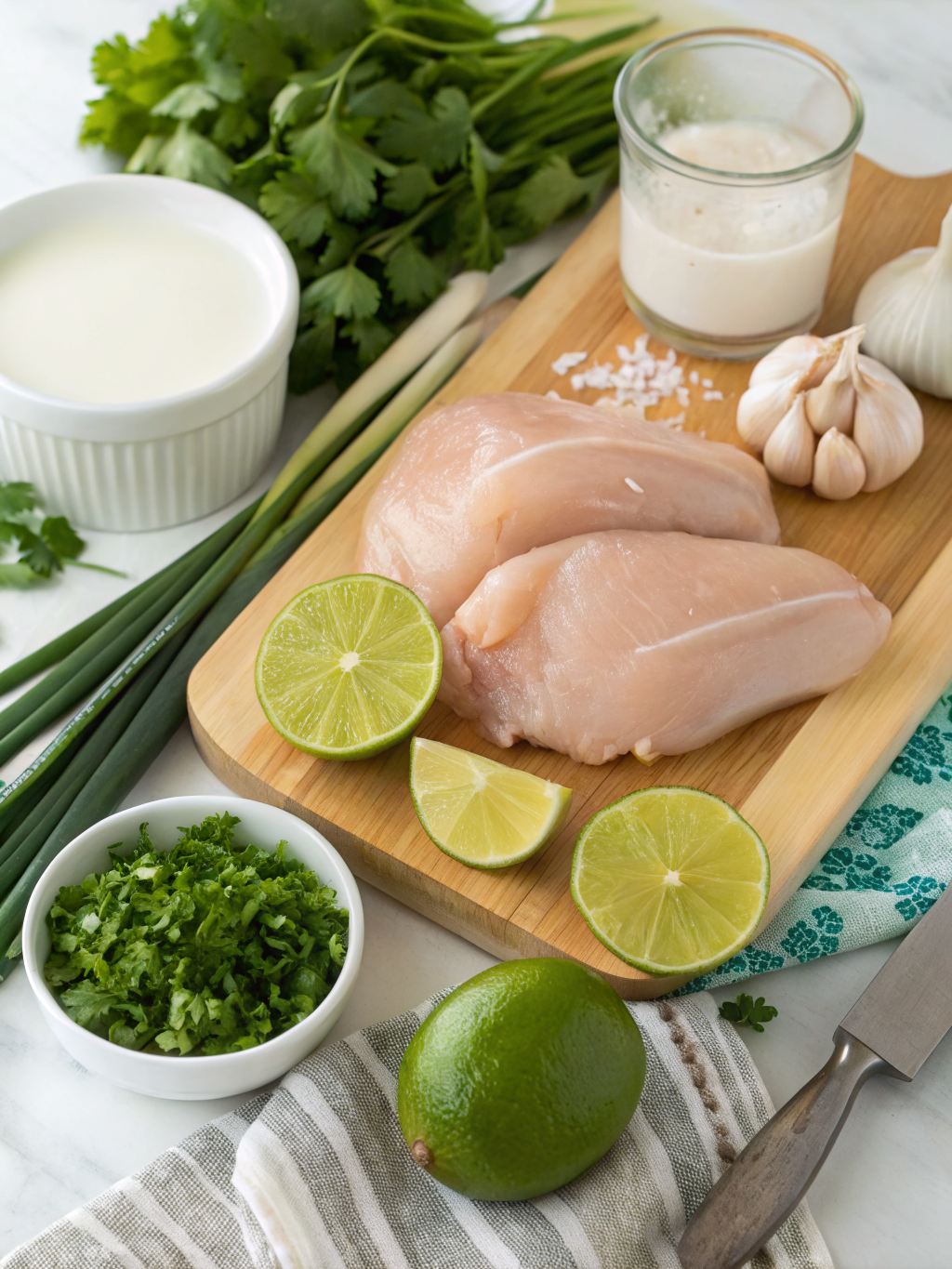
Here’s everything you’ll need to make this vibrant, healing dish. Most ingredients are pantry staples you likely already have on hand.
For the Chicken:
- 1.5 lbs (680g) boneless, skinless chicken thighs (or breasts — thighs stay juicier)
- 1 tablespoon avocado oil or coconut oil
- 1 teaspoon sea salt
- ½ teaspoon black pepper
- 1 teaspoon ground turmeric
- 1 teaspoon ground cumin
- ½ teaspoon smoked paprika
For the Coconut Lime Sauce:
- 1 can (400ml) full-fat coconut milk (light coconut milk works but yields a thinner sauce)
- Zest and juice of 2 large limes (about 4 tablespoons juice)
- 4 cloves garlic, minced
- 1 tablespoon fresh ginger, grated (or 1 teaspoon ground ginger)
- 1 tablespoon tamari or coconut aminos (for a gluten-free soy sauce alternative)
- 1 teaspoon honey or maple syrup (optional, for balance)
- ½ teaspoon red pepper flakes (adjust to taste)
For Garnish:
- Fresh cilantro, roughly chopped
- Lime wedges
- Thinly sliced green onions
- Toasted coconut flakes (optional but wonderful)
Substitution Tips: Swap chicken thighs for salmon fillets or firm tofu for a pescatarian or vegan version. Use lemon juice if limes aren’t available, though the flavor profile will shift slightly. Coconut aminos can replace tamari for a soy-free option.
Timing
One of the best things about this recipe is how quickly it comes together without sacrificing depth of flavor.
- Prep Time: 10 minutes
- Cook Time: 25 minutes
- Total Time: 35 minutes
- Servings: 4
At just 35 minutes total, this recipe is approximately 40% faster than the average homemade chicken dinner, which typically takes around 55–60 minutes. It’s genuinely weeknight-friendly without cutting corners on nutrition or taste.
Step-by-Step Instructions
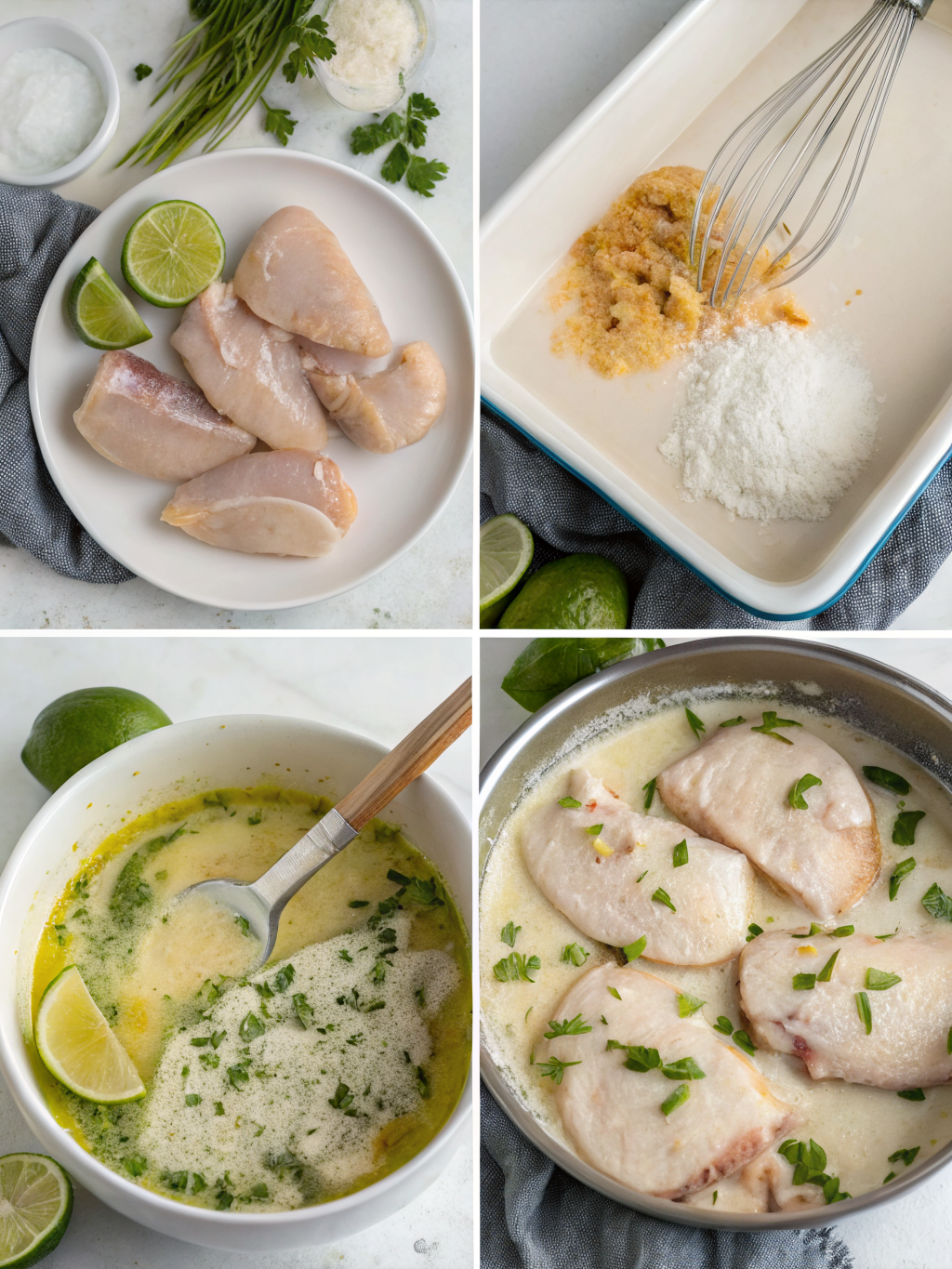
Follow these simple steps for a perfect result every single time. Each step builds flavor intentionally, so don’t skip any!
Step 1: Season the Chicken
Pat your chicken thighs completely dry with paper towels — this is essential for achieving a golden sear rather than steaming the meat. In a small bowl, combine salt, pepper, turmeric, cumin, and smoked paprika. Rub the spice mixture evenly over both sides of each piece of chicken, pressing gently so it adheres well.
Step 2: Sear the Chicken
Heat avocado oil in a large skillet or cast-iron pan over medium-high heat. Once the oil shimmers, add the chicken in a single layer without crowding the pan. Sear for 4–5 minutes per side until deeply golden. The chicken doesn’t need to be fully cooked through yet — it will finish in the sauce. Remove and set aside.
Step 3: Build the Aromatic Base
Reduce heat to medium. In the same pan (don’t wipe it out — those browned bits are pure flavor), add garlic and ginger. Sauté for 60–90 seconds, stirring constantly, until fragrant. Be careful not to burn the garlic, as it will turn bitter quickly at this stage.
Step 4: Create the Coconut Lime Sauce
Pour in the coconut milk, lime juice, lime zest, tamari, honey, and red pepper flakes. Stir everything together, scraping up any browned bits from the bottom of the pan. Bring the sauce to a gentle simmer over medium heat. Taste and adjust seasoning — add more lime for brightness or honey for balance.
Step 5: Simmer the Chicken
Return the seared chicken to the pan, nestling each piece into the sauce. Reduce heat to medium-low, cover partially, and simmer for 12–15 minutes until the chicken is cooked through (internal temperature of 165°F / 74°C). The sauce will thicken slightly and become beautifully glossy during this time.
Step 6: Garnish and Serve
Remove from heat and let the dish rest for 2–3 minutes. Scatter fresh cilantro, green onions, and toasted coconut flakes over the top. Serve immediately with your choice of sides and extra lime wedges for squeezing. This Coconut Lime Chicken is best enjoyed fresh and hot.
Nutritional Information
Here’s an approximate nutritional breakdown per serving (based on 4 servings using chicken thighs and full-fat coconut milk):
- Calories: 420 kcal
- Protein: 34g
- Total Fat: 28g (primarily healthy fats from coconut milk)
- Saturated Fat: 18g
- Carbohydrates: 8g
- Fiber: 1g
- Sugar: 3g
- Sodium: 620mg
This recipe is an excellent source of lean protein, supporting muscle repair and satiety. The medium-chain triglycerides (MCTs) in coconut milk are metabolized differently than other fats and may support energy levels and brain function. Turmeric and ginger contribute powerful antioxidants with virtually zero additional calories.
Healthier Alternatives for the Recipe
This recipe is already a nutritional powerhouse, but here are some smart swaps to tailor it to your specific health goals or dietary preferences.
- Lower Calorie: Use light coconut milk to reduce fat content by roughly 30%. The sauce will be thinner but still flavorful.
- Lower Sodium: Replace tamari with coconut aminos, which contains about 65% less sodium per serving.
- Higher Protein: Use chicken breast instead of thighs for a leaner cut with slightly more protein per ounce.
- Vegan Version: Substitute chicken with chickpeas or cubed firm tofu. Reduce simmering time to 8 minutes to avoid mushiness.
- Extra Anti-Inflammatory Boost: Add a pinch of black pepper to activate turmeric’s curcumin absorption by up to 2,000%, according to research published in the journal Planta Medica.
- Keto-Friendly: Skip the honey entirely and serve over cauliflower rice for a fully keto-compliant meal.
Serving Suggestions
This dish is wonderfully versatile and pairs beautifully with a wide range of sides. Here are some of our favorite ways to serve it.
- Jasmine or Basmati Rice: The fluffy grains soak up the coconut lime sauce perfectly, making every bite incredibly satisfying.
- Cauliflower Rice: A fantastic low-carb alternative that keeps the meal light and grain-free.
- Steamed Broccoli or Bok Choy: The mild bitterness of these greens balances the rich, creamy sauce beautifully.
- Zucchini Noodles: For a fun, fresh twist that adds extra vegetables to your plate.
- Warm Flatbreads: Use gluten-free flatbreads for scooping up every last drop of that incredible sauce.
- Simple Green Salad: A crisp cucumber and avocado salad with a sesame dressing makes a refreshing contrast to the warm, spiced chicken.
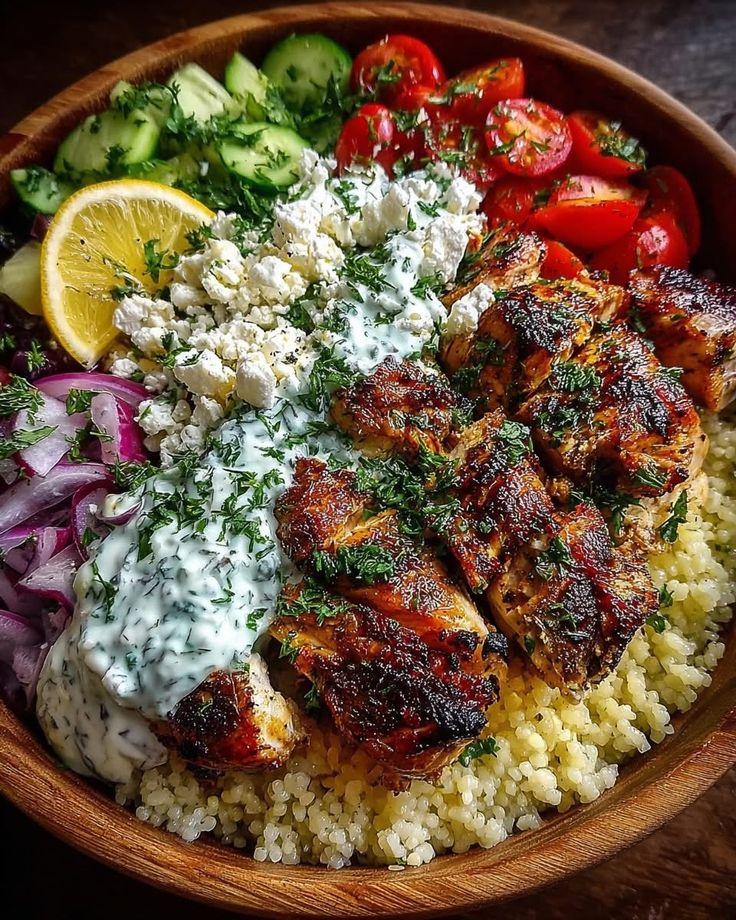
For a dinner party presentation, serve the Coconut Lime Chicken in a wide, shallow bowl over rice, garnished generously with herbs and a dramatic lime wheel. It photographs beautifully and impresses every guest.
Common Mistakes to Avoid
Even simple recipes have potential pitfalls. Here’s what to watch out for so your dish turns out perfectly every time.
- Skipping the pat-dry step: Wet chicken won’t sear — it will steam. Always pat thoroughly dry before seasoning for that beautiful golden crust.
- Boiling the coconut milk: A hard boil can cause the coconut milk to separate and become grainy. Always keep it at a gentle simmer.
- Using bottled lime juice: Fresh lime juice makes a significant flavor difference. Bottled juice often tastes flat and slightly bitter by comparison.
- Overcrowding the pan: Cook chicken in batches if necessary. Crowding drops the pan temperature and prevents proper searing.
- Not tasting the sauce before serving: Coconut milk brands vary in sweetness and richness. Always taste and adjust lime, salt, and sweetness before plating.
- Skipping the rest period: Letting the chicken rest for a few minutes after cooking allows the juices to redistribute, keeping the meat moist and tender.
Storing Tips for the Recipe
This dish stores exceptionally well, making it a fantastic meal prep option for busy weeks ahead.
Refrigerator: Store cooled leftovers in an airtight container for up to 4 days. The sauce actually deepens in flavor overnight, making day-two leftovers arguably even better than the first serving.
Freezer: Freeze in portioned airtight containers for up to 3 months. Thaw overnight in the refrigerator before reheating. Note that coconut milk-based sauces may separate slightly upon thawing — simply stir well while reheating to bring it back together.
Reheating: Reheat gently in a skillet over medium-low heat with a splash of coconut milk or water to loosen the sauce. Avoid the microwave if possible, as it can dry out the chicken and cause uneven heating.
Meal Prep Tip: Marinate the chicken in the spice rub up to 24 hours in advance and store covered in the refrigerator. This deepens the flavor significantly and makes weeknight cooking even faster.
Conclusion
This Coconut Lime Chicken recipe proves that gluten-free, anti-inflammatory eating doesn’t have to be complicated, restrictive, or boring. With bold tropical flavors, healing spices, and a luxuriously creamy sauce, it’s the kind of meal that nourishes your body and genuinely excites your taste buds — every single time.
Whether you’re cooking for a busy weeknight, meal prepping for the week, or hosting a dinner that needs to impress, this recipe rises to every occasion beautifully. It’s simple enough for beginners yet flavorful enough to satisfy experienced home cooks.
Ready to give it a try? We’d love to hear how it turned out! Drop your thoughts, questions, or photos in the comments below. If you enjoyed this recipe, explore more anti-inflammatory, gluten-free dinner ideas on the blog — your next favorite meal is just a click away.