
Top 5 Fall Hand & Nail Scrub Recipes for Healthy Nails
Look, I get it. Summer destroyed your hands. The chlorine, the sun, the constant washing—your hands probably look like they’ve been through a war zone. Now that fall’s rolling in, it’s time to show them some serious love, and trust me, a good fall hand and nail scrub is about to become your new obsession.
I’ll be real with you: I used to think hand scrubs were just fancy versions of regular soap. Boy, was I wrong. Once you experience the magic of exfoliating your hands with a seasonal scrub packed with autumn goodness, there’s no going back. Your hands deserve better than being neglected while you focus on your face routine, right?
Why Fall Is Prime Time for Hand Scrubs
Here’s the thing—fall weather is brutal on your hands. The temperature drops, humidity plummets, and suddenly your hands feel like sandpaper. You start layering on lotion, but it just sits on top of all that dead skin doing absolutely nothing.
Hand scrubs change the game because they actually remove that barrier of dead cells. Think of it like this: you wouldn’t paint over dirty walls and expect them to look good, would you? Same concept. Your hands need a clean slate before you pile on the moisturizer.
Fall-specific scrubs usually incorporate seasonal ingredients that aren’t just there for the Instagram aesthetic. Pumpkin enzymes, apple extracts, cinnamon—these ingredients actually work with your skin’s needs during cooler months. Plus, they smell incredible, which honestly makes the whole experience feel less like a chore and more like self-care.
What Makes a Hand Scrub Actually Good?
Not all scrubs are created equal, and I learned this the hard way after buying a few duds that were basically overpriced sugar water. A quality hand and nail scrub needs to tick several boxes:
The Exfoliant Matters
You’ve got options here:
- Sugar scrubs: Gentle, dissolve as you massage, perfect if you’ve got sensitive skin
- Salt scrubs: More aggressive exfoliation, great for seriously rough hands
- Walnut or apricot shells: Natural but can be harsh—I’m on the fence about these
- Jojoba beads: Eco-friendly and effective, though usually pricier
IMO, sugar scrubs win for fall because they’re gentle enough to use frequently without shredding your already-compromised skin barrier. Salt scrubs? Save those for your feet.
Oil Content Is Non-Negotiable
A scrub without good oils is just punishment for your hands. Look for scrubs with coconut oil, sweet almond oil, or jojoba oil as base ingredients. These don’t just exfoliate—they condition while they work.
I use a pumpkin seed oil-based scrub during fall, and the difference is wild. My hands feel soft immediately, not that tight, stripped feeling you get from harsh products.
Nail Benefits Are a Bonus
Your nails suffer too, you know? Cuticles get raggedy, nail beds look dull. A good hand scrub should address this. Look for ones with vitamin E, shea butter, or even biotin worked into the formula.
DIY vs. Store-Bought: The Eternal Debate
Ever wondered if making your own fall hand scrub is actually worth the effort? I’ve tried both routes, and honestly, each has its place.
DIY Fall Hand Scrub Perks
Making your own scrub is stupidly easy. You literally mix sugar with oil, throw in some cinnamon or pumpkin spice (for that fall vibe), and boom—you’ve got yourself a hand scrub. The benefits are obvious:
- You control every ingredient: No mystery chemicals or fillers
- It’s cheaper: A DIY batch costs maybe $5 and lasts forever
- Customizable: More exfoliation? Add more sugar. Dryer skin? More oil
- Fresh ingredients: You make it when you need it
I make mine with brown sugar, coconut oil, a bit of honey, and cinnamon. Takes five minutes, smells like a bakery, works like a charm.
Store-Bought Advantages
But here’s where store-bought scrubs shine—convenience and formulation science. Companies actually test their products, balance pH levels, and add preservatives so your scrub doesn’t grow mold after a week.
Premium fall hand scrubs often include ingredients you can’t easily DIY:
- Pumpkin enzymes that chemically exfoliate
- Specialized vitamins and antioxidants
- Consistent texture and shelf stability
- Tested for skin sensitivity
FYI, if you’re prone to reactions or have super sensitive skin, store-bought might be safer. They’ve already done the patch testing for you.
How to Actually Use a Hand Scrub Properly
You’d think scrubbing your hands would be self-explanatory, but I’ve watched people do this completely wrong. Don’t be that person. Here’s the right way:
The Technique
Start with damp hands—not dripping wet, just damp. Scoop out about a tablespoon of scrub (more if your hands are really rough). Now here’s the key: massage in gentle circular motions for at least 60 seconds.
Pay extra attention to:
- Knuckles (they get SO dry)
- Cuticles (gently work the scrub around your nail beds)
- The backs of your hands (they age faster than your palms)
- Between your fingers (yes, really)
Don’t scrub like you’re trying to remove paint. The exfoliant does the work—you’re just facilitating the process. Aggressive scrubbing damages your skin barrier and defeats the whole purpose.
Frequency Matters
How often should you scrub? Two to three times a week during fall is the sweet spot. Any more and you risk over-exfoliation, which leads to irritation and increased sensitivity. Trust me, I learned this the hard way when I got overzealous and scrubbed daily for a week :/
My hands looked angry and felt worse than before I started.
The Best Fall Ingredients for Hand Scrubs
Fall isn’t just about aesthetics—these seasonal ingredients actually benefit your skin during colder months.
Pumpkin
Beyond smelling amazing, pumpkin contains enzymes and alpha hydroxy acids that naturally exfoliate. It’s also packed with vitamins A and C, which promote cell turnover and brighten skin. Real pumpkin extract in scrubs is gold.
Apple Extract
Apples bring malic acid to the party, another gentle exfoliant. They’re especially good for evening out skin tone on your hands if you’ve got sun damage or age spots. Plus, that crisp apple scent screams fall.
Cinnamon
This isn’t just for flavor. Cinnamon has antimicrobial properties and stimulates blood flow, which can actually promote healthier nail growth. Just don’t overdo it—too much cinnamon can irritate sensitive skin.
Maple & Honey
These natural humectants pull moisture into your skin. Maple contains minerals like zinc and manganese, while honey is naturally antibacterial. Both leave your hands feeling ridiculously soft.
Shea Butter
While not exclusively a fall ingredient, shea butter is essential for protecting your hands against harsh fall and winter conditions. It creates a protective barrier without feeling greasy.
Post-Scrub Care: Don’t Skip This
Scrubbing your hands is only half the battle. What you do immediately after determines whether you maximize the benefits or waste your effort.
Lock in Moisture Immediately
Right after rinsing off your scrub, pat your hands mostly dry (leave them slightly damp) and apply a rich hand cream. Your skin is primed to absorb moisture after exfoliation—this is your window.
I keep a thick hand cream right next to my scrub so I don’t forget. My current favorite has hyaluronic acid and ceramides. Your freshly scrubbed hands will drink it up like they’ve been wandering the desert.
Cuticle Oil Is Your Friend
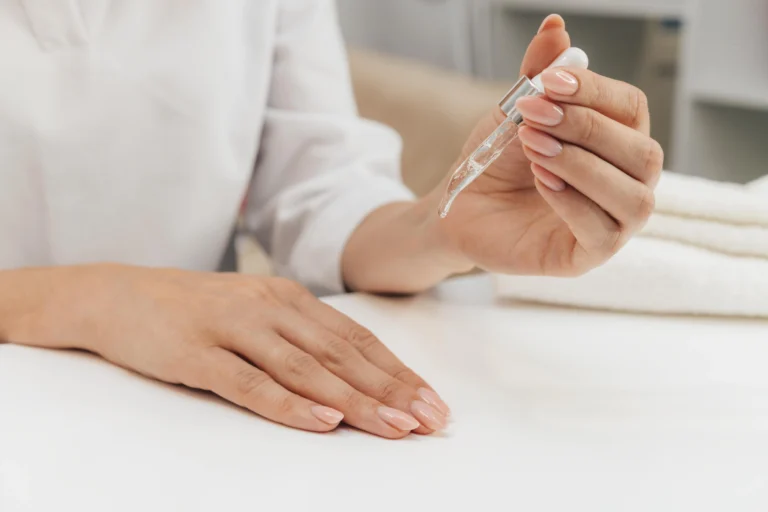
After the hand cream absorbs, massage a drop of cuticle oil into each nail bed. Jojoba or vitamin E oil works perfectly. This is when your cuticles are most receptive, and it makes such a difference in how polished your hands look.
Nighttime Routine Hack
Want next-level soft hands? Do your scrub routine before bed, slather on extra hand cream, and sleep in cotton gloves. I know it sounds ridiculous, but the results are insane. You’ll wake up with hands that feel like you got a professional treatment.
Common Hand Scrub Mistakes to Avoid
Let me save you from the mistakes I’ve made (and seen others make):
Using face scrubs on your hands: Your hands are tougher than your face, but they still need appropriate products. Face scrubs are usually too gentle or formulated for facial skin pH.
Scrubbing dry skin: Always dampen first. Scrubbing dry creates friction that can cause micro-tears and irritation.
Ignoring expiration dates: DIY scrubs last about 2-3 weeks max in the fridge. Store-bought have preservatives but still expire. Old scrubs can harbor bacteria.
Skipping sunscreen after: Freshly exfoliated skin is more vulnerable to UV damage. If you scrub in the morning, apply hand cream with SPF.
Over-scrubbing problem areas: Rough patches need gentle persistence, not aggressive scrubbing. Being harsh makes things worse.
Budget-Friendly Fall Scrub Options
Not everyone wants to drop $30 on a hand scrub, and honestly? You don’t have to.
Under $10 Winners
Several drugstore brands make surprisingly good hand scrubs. Look for ones with simple ingredient lists—fewer ingredients often means better quality at this price point. Tree Hut makes affordable sugar scrubs that smell incredible.
The DIY Route
Seriously, making your own costs almost nothing. Here’s my go-to fall recipe:
- 1 cup brown sugar
- 1/2 cup coconut oil (melted)
- 1 tablespoon honey
- 1 teaspoon cinnamon
- Few drops of vanilla extract
Mix it, store it in a jar, use within three weeks. Costs maybe $4 if you don’t already have these ingredients.
When to Skip the Scrub
Real talk: there are times when you shouldn’t use a hand scrub, and ignoring this advice can seriously damage your skin.
Skip scrubbing if you have:
- Open cuts or wounds on your hands
- Active eczema flare-ups
- Severe cracking or bleeding
- Recent chemical peels or treatments
- Sunburn
In these cases, focus on gentle cleansing and intensive moisturizing until your skin barrier repairs itself. Scrubbing compromised skin is like pouring salt in a wound—literally.
The Real Talk on Results
Let’s set realistic expectations. Will a hand scrub transform your hands overnight? No. Will it make a noticeable difference after consistent use? Absolutely.
I started using a fall hand scrub religiously last October, and by Thanksgiving, people were asking about my hands. They looked healthier, my nail polish applied smoother, and I wasn’t embarrassed to shake hands anymore.
The key is consistency. Use your scrub 2-3 times weekly, follow up with proper moisturizing, and give it at least two weeks before judging results. Your skin needs time to regenerate and respond to the treatment.
Final Thoughts
Your hands work hard. They type, they cook, they clean, they do literally everything. They deserve more attention than that sad dollar-store lotion you’ve been using since 2019.
A good fall hand and nail scrub isn’t a luxury—it’s maintenance. It’s preparing your hands for the brutal months ahead when the cold and dry air will attack them relentlessly. Plus, the ritual of actually caring for your hands is surprisingly therapeutic 🙂
Start now, before the worst of winter hits. Your future self will thank you when everyone else is walking around with cracked, bleeding hands and yours look like you just came back from a spa. Worth it? Absolutely.