Top Products Dermatologists Recommend to Calm Inflamed Skin
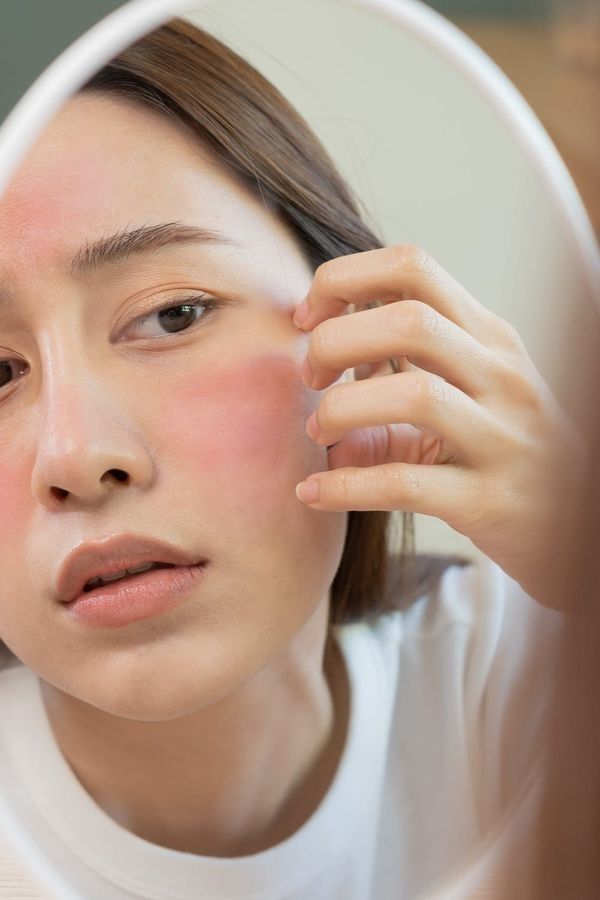
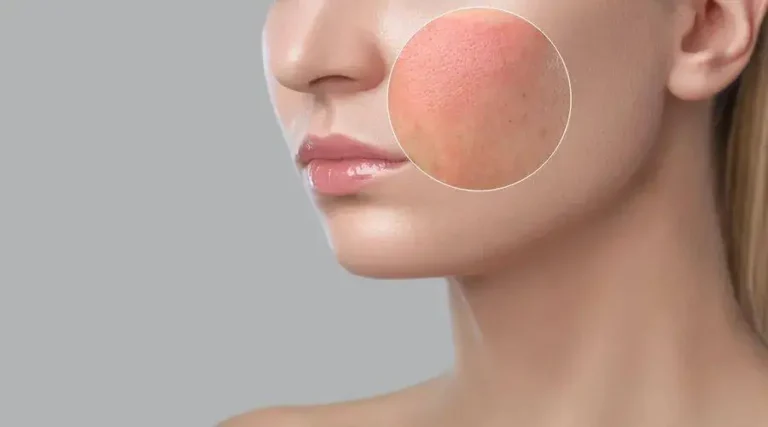
Your skin turns red, tight, and angry out of nowhere. Sound familiar? Whether it’s stress, weather changes, or a product that didn’t agree with you, dealing with inflamed skin is genuinely exhausting. I’ve been there — standing in the bathroom at 11pm, panicking at the mirror. So today, let’s talk about what actually works, straight from dermatologists who know their stuff.
1. The Best Products for Inflamed Skin Start With One Rule
The first rule dermatologists give every patient? Strip your routine down. When your skin is inflamed, throwing five new products at it makes things worse. The best products for inflamed skin work because they’re simple, gentle, and focused on one job: calming the barrier.
Look for ingredients like ceramides, colloidal oatmeal, and niacinamide. These aren’t trendy buzzwords — they’re scientifically backed soothers that reduce redness without stripping moisture. As I covered in my complete guide to barrier repair skincare, starting with barrier support is always the right first move.
2. Dermatologist Recommended Skincare for Redness: The Holy Trinity
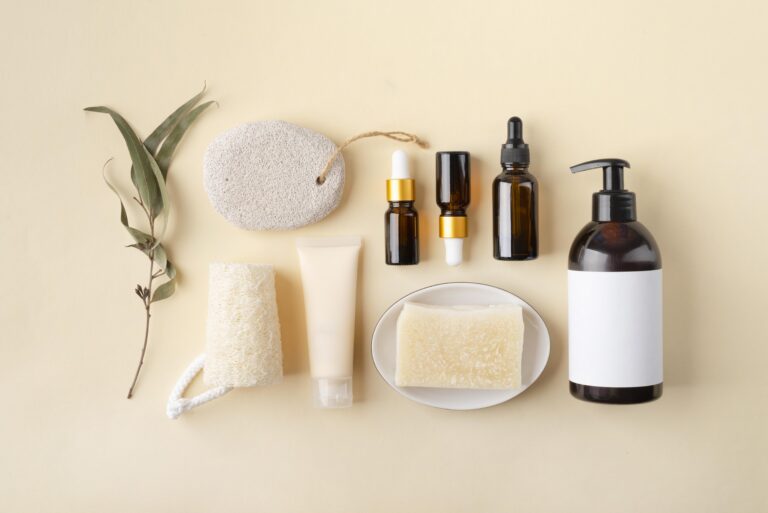
Dermatologists keep recommending the same three product types — and for good reason. A fragrance-free cleanser, a calming moisturizer, and a physical SPF form the backbone of every solid anti-redness skincare routine.
Brands like CeraVe, La Roche-Posay, and Vanicream come up again and again in dermatology offices. They’re affordable, accessible, and clinically tested. If you’re rebuilding your routine from scratch, start with these three steps before adding anything else.

3. Calming Skincare Products With Centella Asiatica Actually Work
Centella Asiatica — also called Cica — has become a staple in calming skincare products, and dermatologists back it up. It reduces inflammation, supports healing, and strengthens the skin barrier without irritating sensitive skin types.
Look for it in serums, creams, and sheet masks. The COSRX Centella Blemish Cream and Dr. Jart+ Cicapair Tiger Grass range are two fan favorites that keep popping up in clinical recommendations. They work especially well after sun exposure or a skin flare-up.
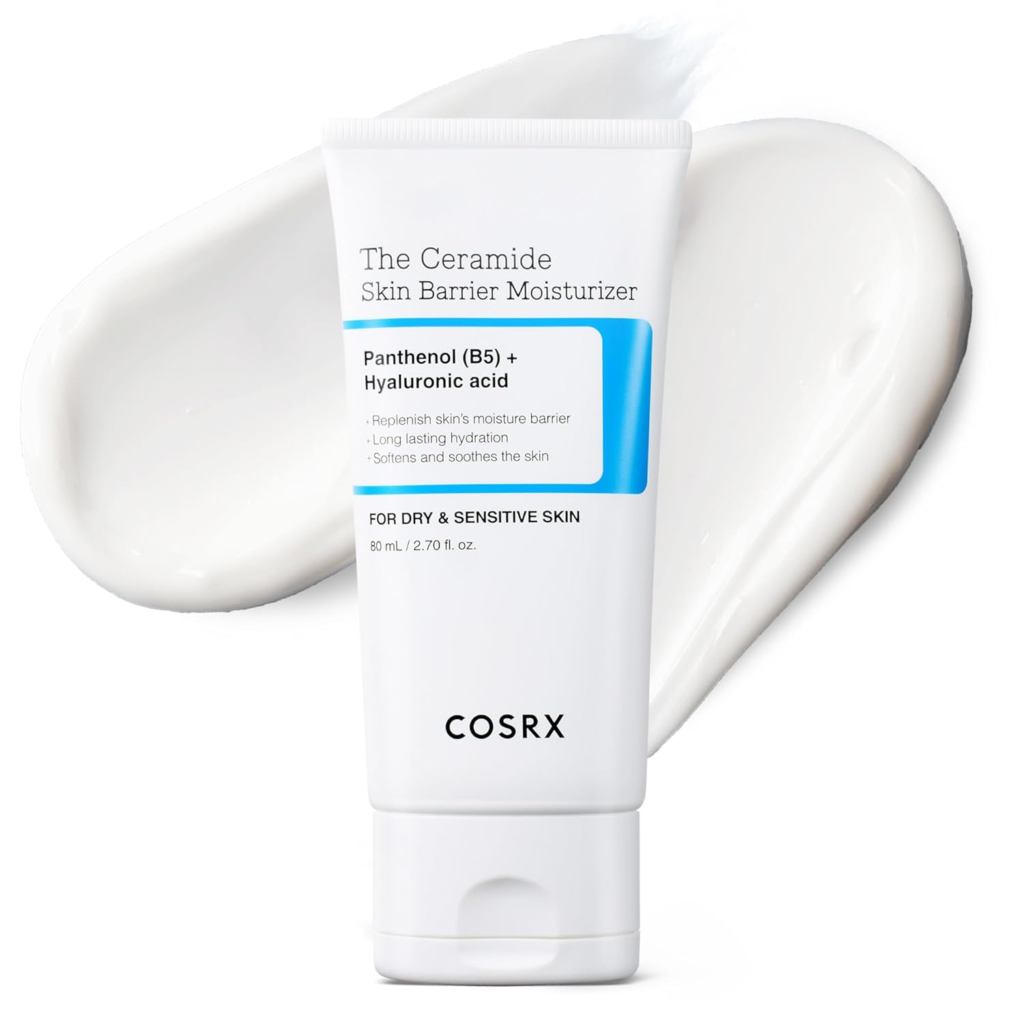
4. Skincare for Irritated Skin: What to Avoid as Much as What to Use
Here’s something most people skip: knowing what to avoid matters just as much as knowing what to buy. Alcohol, synthetic fragrance, essential oils, and harsh exfoliants are the biggest triggers for irritated skin — and they hide in products that look totally innocent.
When you’re shopping for skincare for irritated skin, flip the bottle and scan the ingredient list before anything else. According to this expert breakdown of sensitive skin ingredients, even “natural” labels can include hidden irritants that set off a reaction within hours.

5. SPF Is a Non-Negotiable Part of Any Anti-Redness Skincare Routine 🌿
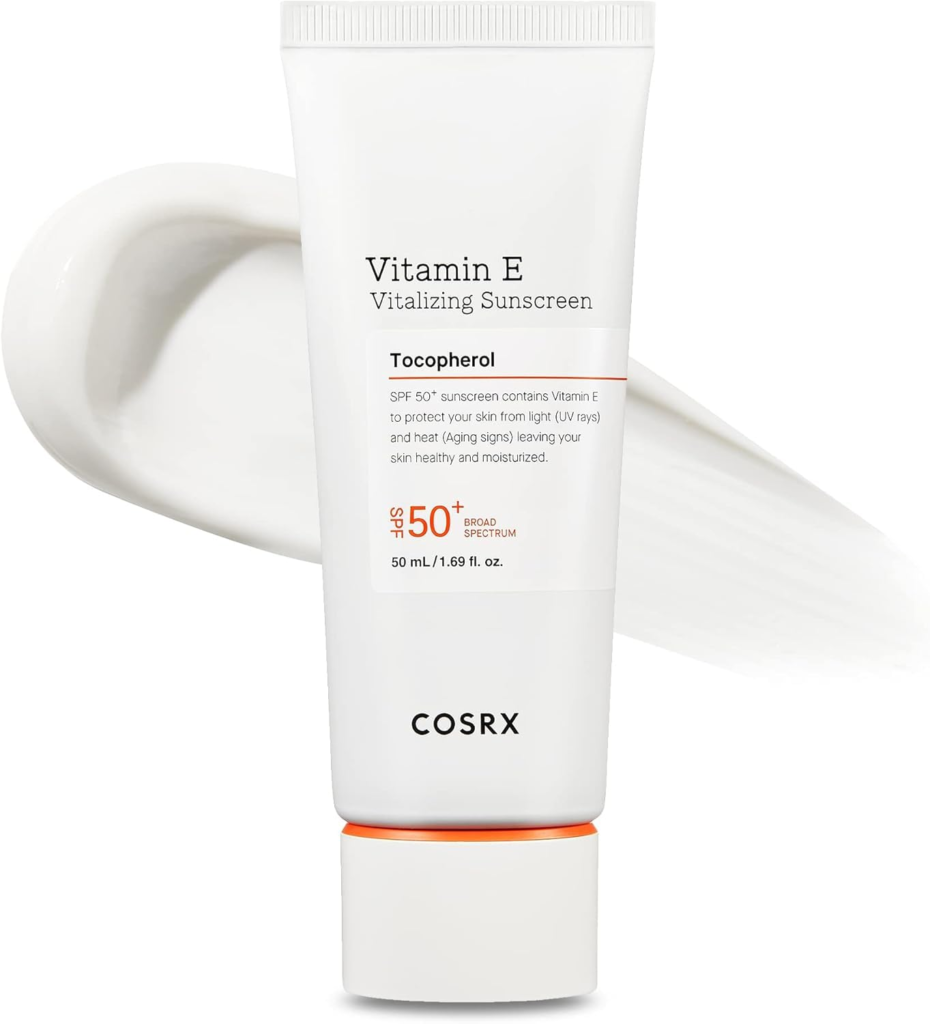
Skipping sunscreen when your skin is inflamed is one of the biggest mistakes you can make. UV exposure makes inflammation worse, slows healing, and deepens redness over time. Every dermatologist-approved routine ends with SPF — no exceptions.
Mineral sunscreens with zinc oxide are the go-to for reactive skin. They sit on top of the skin rather than absorbing into it, which makes them much gentler. Isntree, Altruist, and EltaMD all make mineral options that work beautifully under makeup or alone.
6. How to Build a Full Calming Skincare Routine Step by Step
Building a routine around calming skincare products doesn’t have to feel overwhelming. Morning and evening, keep it to four steps max: cleanse, treat (serum or toner), moisturize, and protect (SPF in the morning only).
Introduce one new product at a time, and wait at least one week before adding another. This is the only way to know what your skin loves — and what it hates. I walk through the exact method in my step-by-step sensitive skin routine, which has helped a lot of readers finally figure out their triggers.
7. One Ingredient Dermatologists Are Loving Right Now 🙌
Azelaic acid is having a serious moment in dermatology circles — and it deserves the attention. It’s anti-inflammatory, antibacterial, and brightening all at once, making it perfect for skin that deals with both redness and uneven tone.
It works at low concentrations, so even sensitive skin types can usually tolerate it. The 10% version is available over-the-counter in many countries, while the 15–20% version requires a prescription. If you haven’t tried it yet, ask your dermatologist at your next visit.
Wrapping It Up
Calming inflamed skin takes patience, the right products, and a willingness to simplify. Stick to dermatologist recommended skincare, avoid the known triggers, and give your barrier time to heal. It won’t happen overnight, but with a consistent anti-redness skincare routine, you will see a difference.
Have you found a product that completely transformed your irritated skin? Drop it in the comments — I’d love to hear what worked for you. And if you’re still figuring out your routine, share this post with a friend who’s in the same boat.