
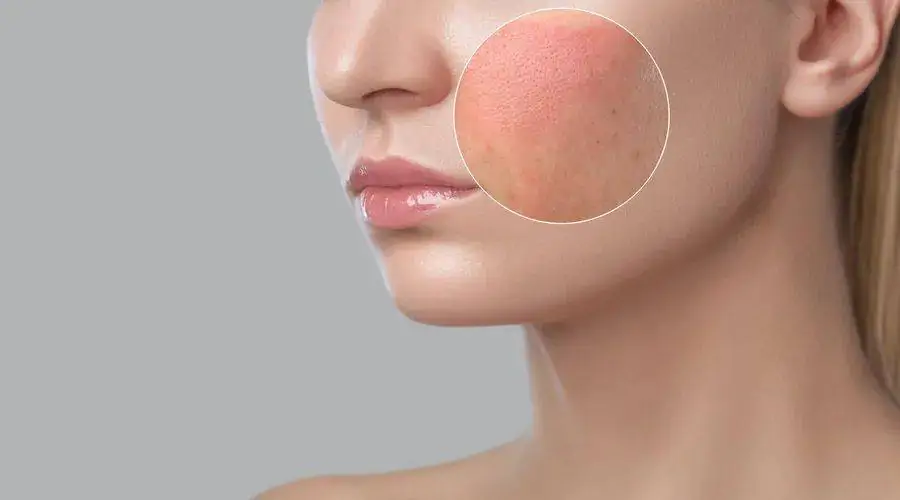
Repair Your Damaged Skin Barrier: 7 Steps to Strong, Healthy Skin
Repair damaged skin barrier is essential if you’ve ever felt that tight, irritated sensation when your skin just won’t cooperate. That’s your skin barrier waving a little white flag. I spent months slathering on expensive serums, wondering why my face felt like sandpaper, only to realize I had completely wrecked my skin’s natural defense system. Today, I’m sharing exactly how I bounced back, and trust me, your skin will thank you for it.
Table of Contents
What Does It Mean to Repair Your Damaged Skin Barrier?
Repair damaged skin barrier is all about restoring your skin’s natural defense so it can retain moisture, block irritants, and stay healthy. Your skin barrier works like a brick wall—skin cells are the bricks, lipids are the mortar. When it’s damaged, moisture escapes, irritants sneak in, and your face feels tight, red, or irritated.
Signs that your barrier needs attention: redness, flaking, stinging when applying products, or that dreaded tight feeling after washing your face.
The good news? You can fix skin barrier naturally without expensive treatments—it just takes the right routine and patience.
Step 1: Strip Your Routine Down to Basics
When you want to repair damaged skin barrier, less is more. Ditch the actives for now—pause your retinol, acids, and vitamin C. Stick to a gentle cleanser, a hydrating skincare routine, a good moisturizer, and sunscreen during the day. Giving your skin a break is the first step to restoring its natural defenses.
Step 2: Switch to a Hydrating Skincare Routine

A proper hydrating skincare routine is essential to repair damaged skin barrier. Ingredients like hyaluronic acid, glycerin, and ceramides pull water into your skin and lock it in. Avoid harsh products—your skin is sensitive and needs gentle hydration.
Pat hydrating toners and serums in gently. Treat your skin like a healing surface, not a canvas to scrub. This is how you start to fix skin barrier naturally from the inside out.
Step 3: Embrace Ceramide Moisturizer Benefits
Ceramide moisturizer benefits are a game-changer for anyone trying to repair damaged skin barrier. Ceramides act as the mortar that fills cracks in your skin’s protective wall, while cholesterol and fatty acids help strengthen skin barrier function over time.
Apply moisturizer on slightly damp skin to lock in hydration. Layer if your skin feels parched—more moisture supports healing and helps fix skin barrier naturally.
Step 4: Add a Facial Oil to Seal Everything In

Facial oils like squalane, rosehip, or jojoba help repair damaged skin barrier by sealing in hydration and preventing water loss. Everyone with barrier damage benefits from oils—not just dry skin types.
Gently press a few drops onto your face as the last step of your hydrating skincare routine. This step reinforces your barrier and supports long-term recovery while helping you fix skin barrier naturally.
Step 5: Protect Like Your Skin Depends On It (Because It Does)
Sun damage is barrier damage’s evil twin. Even if you’re staying inside, UV rays sneak through windows and wreak havoc on compromised skin.
Wear a mineral sunscreen with zinc oxide or titanium dioxide. Chemical filters can sting when your barrier is angry, and nobody needs that kind of drama.
Reapply every two hours if you’re outside. Yes, really. I keep a powder sunscreen at my desk for easy touch-ups throughout the day ☀️
For more tips on building a protective routine, check out this complete skincare routine guide.
Step 6: Skip Hot Water and Harsh Cleansers
This one hurt my soul because I love a steaming hot shower. But hot water strips your skin faster than you can say “repair damaged skin barrier.”
Lukewash is your new best friend. It’s warm enough to be comfortable but won’t cook your face like a rotisserie chicken.
Use a cream or oil cleanser instead of foaming ones. Foam usually means sulfates, and sulfates are basically tiny destruction machines for sensitive barriers. If you’re dealing with excess oil and wondering why is my skin so oily, fixing your barrier often helps balance oil production naturally.
Step 7: Give It Time and Consistency
Here’s the part nobody wants to hear: healing takes weeks, not days. I started seeing improvement around week three, but full recovery took about two months.
Track your progress with weekly photos. Sometimes change is so gradual you won’t notice it day-to-day, but comparing week one to week four? Chef’s kiss.
Stay consistent with your simplified routine. Don’t get tempted by new launches or add back actives too soon. Your barrier needs stability to rebuild itself properly.
Consider incorporating anti-inflammatory face creams to help calm irritation while your skin heals. They work wonders alongside barrier repair ingredients.
Bonus Tips That Actually Made a Difference
Sleep on a silk pillowcase. Cotton absorbs moisture from your skin overnight, and silk is way gentler on your face. Plus, it’s fancy, and you deserve fancy things.
Humidifier gang, rise up. Especially in winter or if you blast AC, indoor air is basically the Sahara desert. A humidifier adds moisture back into the air so your skin isn’t constantly fighting dryness.
Watch your diet too. Omega-3s from fish, walnuts, or flaxseed help support skin health from the inside. I’m not saying it’s a miracle cure, but it definitely doesn’t hurt.
For more science-backed info on barrier health, Paula’s Choice has an excellent breakdown of why your skin barrier matters so much.
Common Mistakes That’ll Sabotage Your Progress
Using too many new products at once. I get it, you want results yesterday. But overwhelming compromised skin with five new things just confuses what’s helping and what’s making it worse.
Over-exfoliating to “fix” flakiness. Those flakes are your damaged barrier, not dead skin. Scrubbing them off just damages things further. Let them shed naturally as your skin heals.
Skipping moisturizer because your skin feels oily. That’s often your skin overproducing oil to compensate for dehydration. Moisturize anyway, your barrier needs it.
When to See a Professional
If you’ve been consistent for eight weeks and see zero improvement, it’s time to call in reinforcements. A dermatologist can check if something else is going on, like eczema or rosacea.
Also, if your skin is cracking, bleeding, or incredibly painful, don’t wait. Get professional help sooner rather than later. Some things need prescription treatment, and that’s totally okay.
Trust your gut. You know your skin better than anyone, and if something feels seriously wrong, it probably needs medical attention. This resource can help you understand when damage crosses into medical territory.
The Bottom Line
Repairing your damaged skin barrier isn’t glamorous or Instagram-worthy, but it’s probably the most important thing you can do for your skin. Once your barrier is strong and healthy, everything else works better. Your products absorb properly, irritation decreases, and your skin just looks alive again.
The steps are simple: simplify your routine, focus on hydration and ceramides, protect religiously, and give it time. Your skin didn’t break overnight, and it won’t heal overnight either. But stick with it, and I promise you’ll get there.
Have you dealt with barrier damage? What helped you most? Drop your favorite barrier-repair products below, I’m always looking for new gems to try!